Broken spring, jammed opener, or a door stuck open overnight in Payson, AZ. Same-service-area repair built around this town's 1980s housing stock and cold winters.
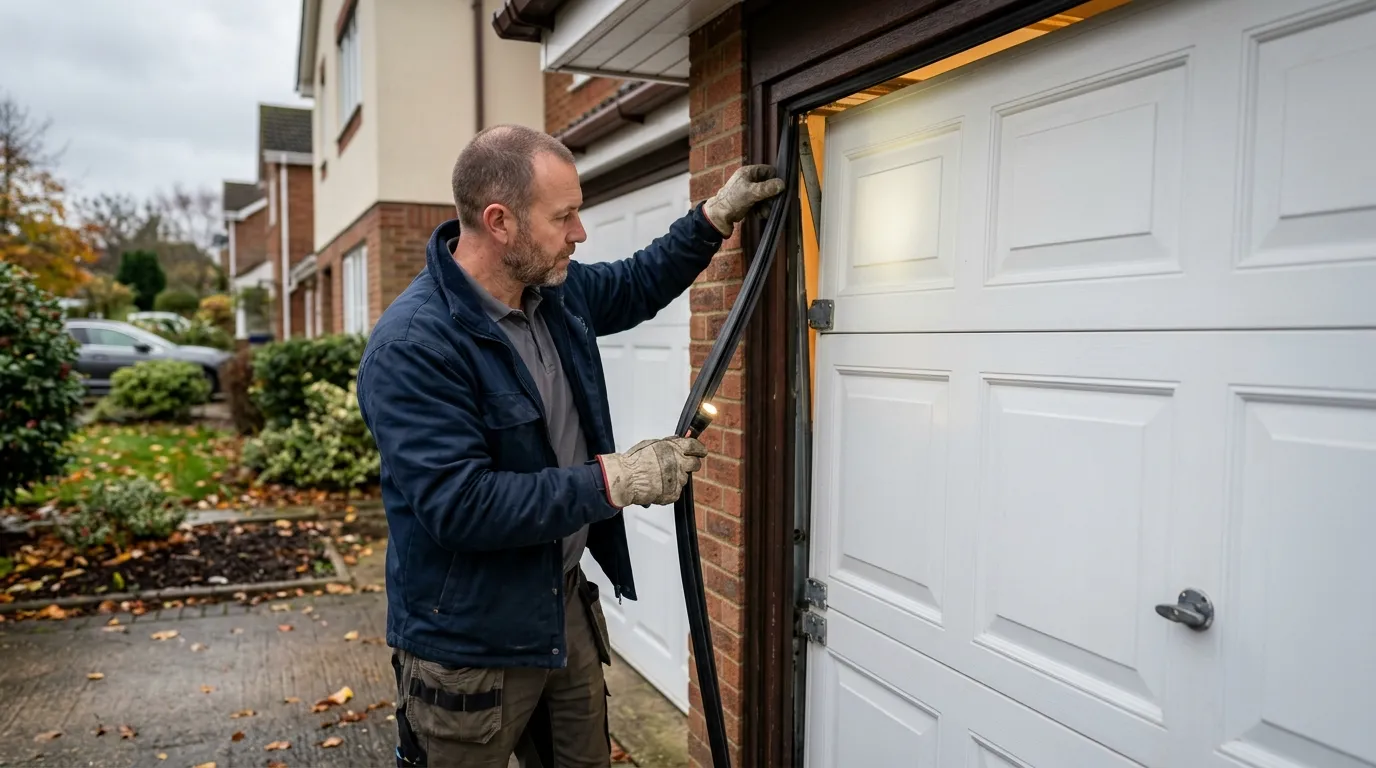
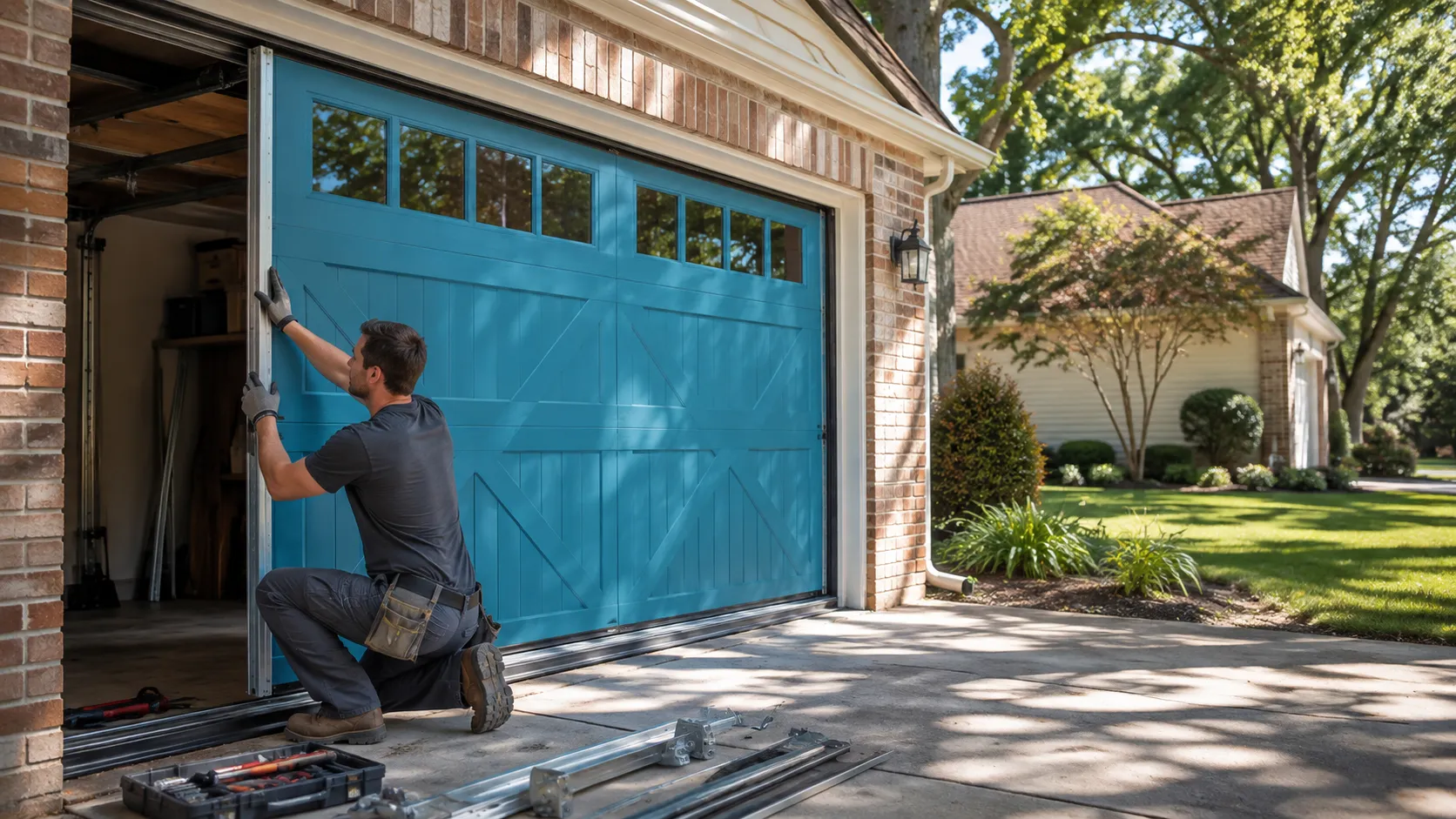
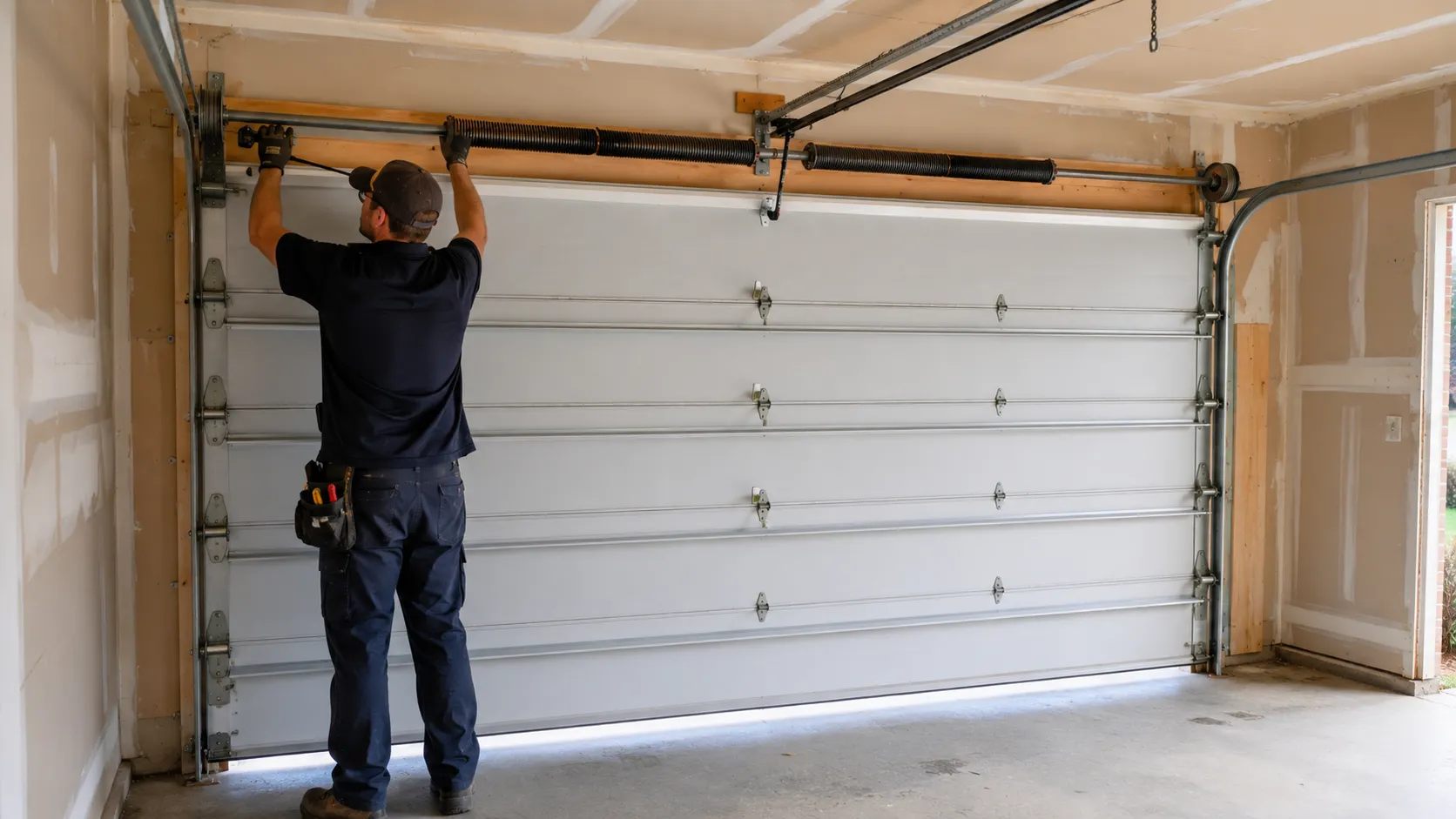
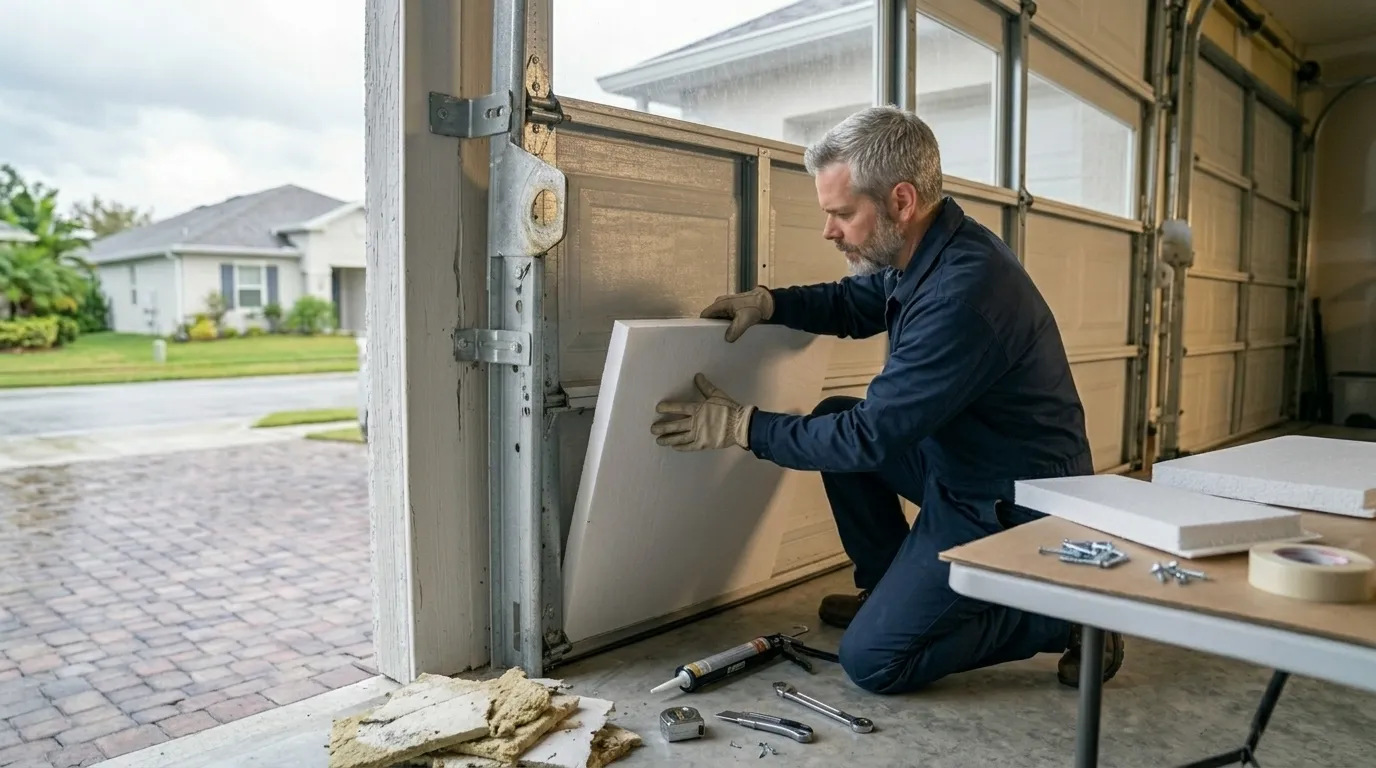
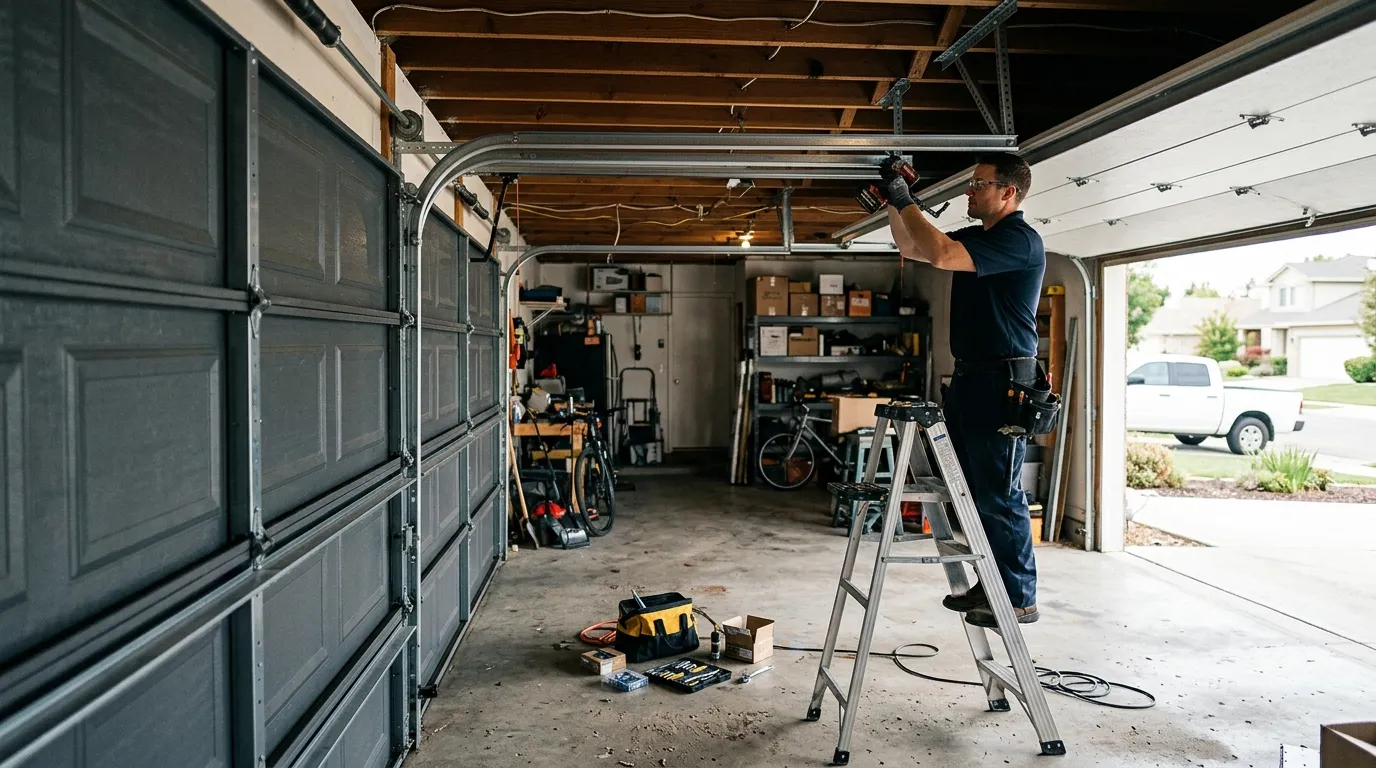
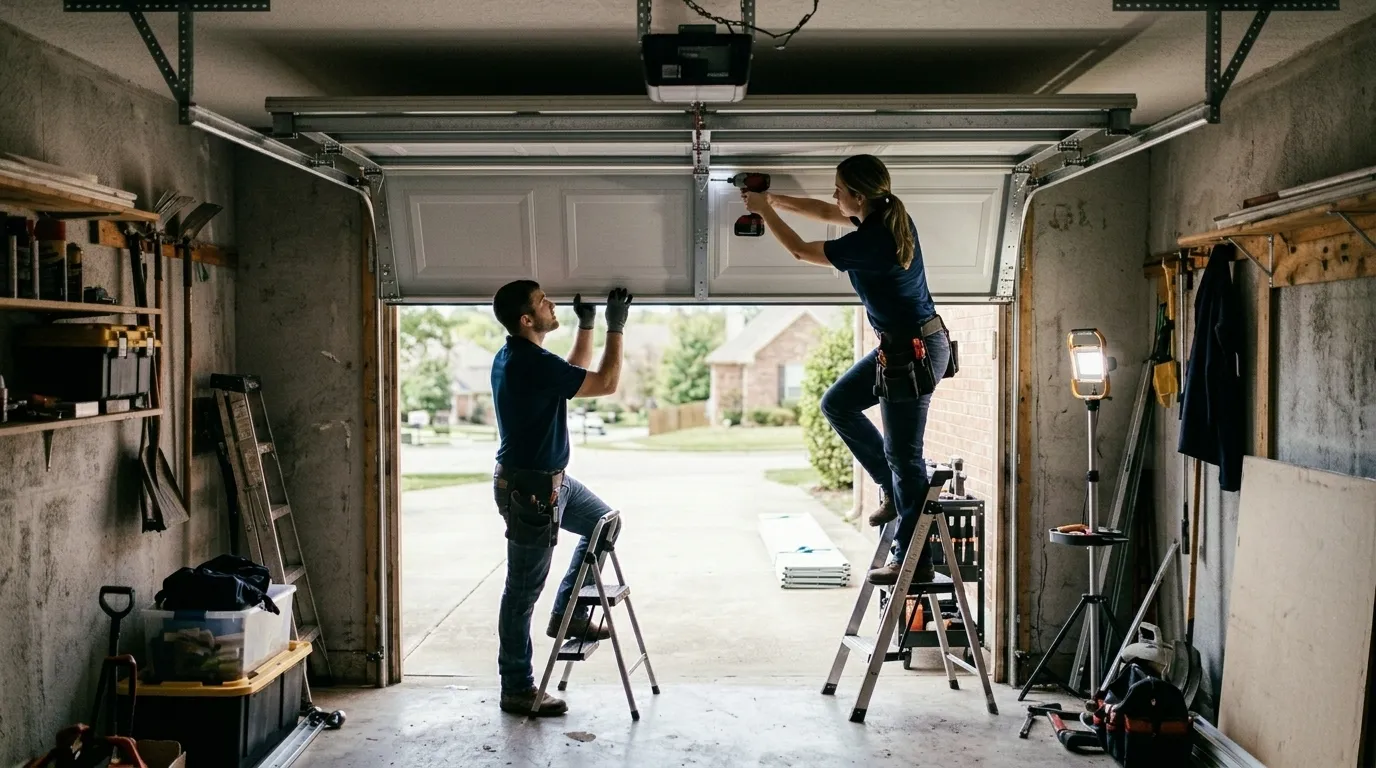
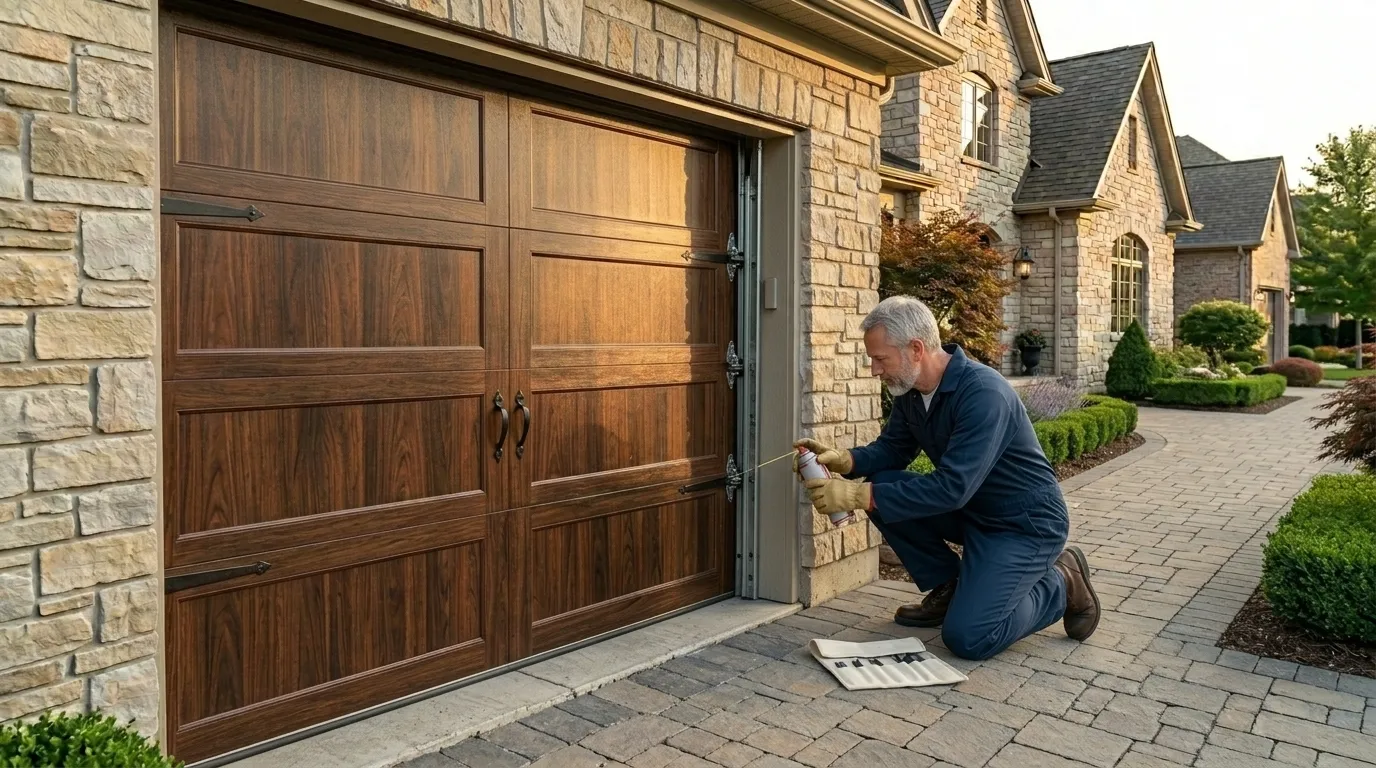
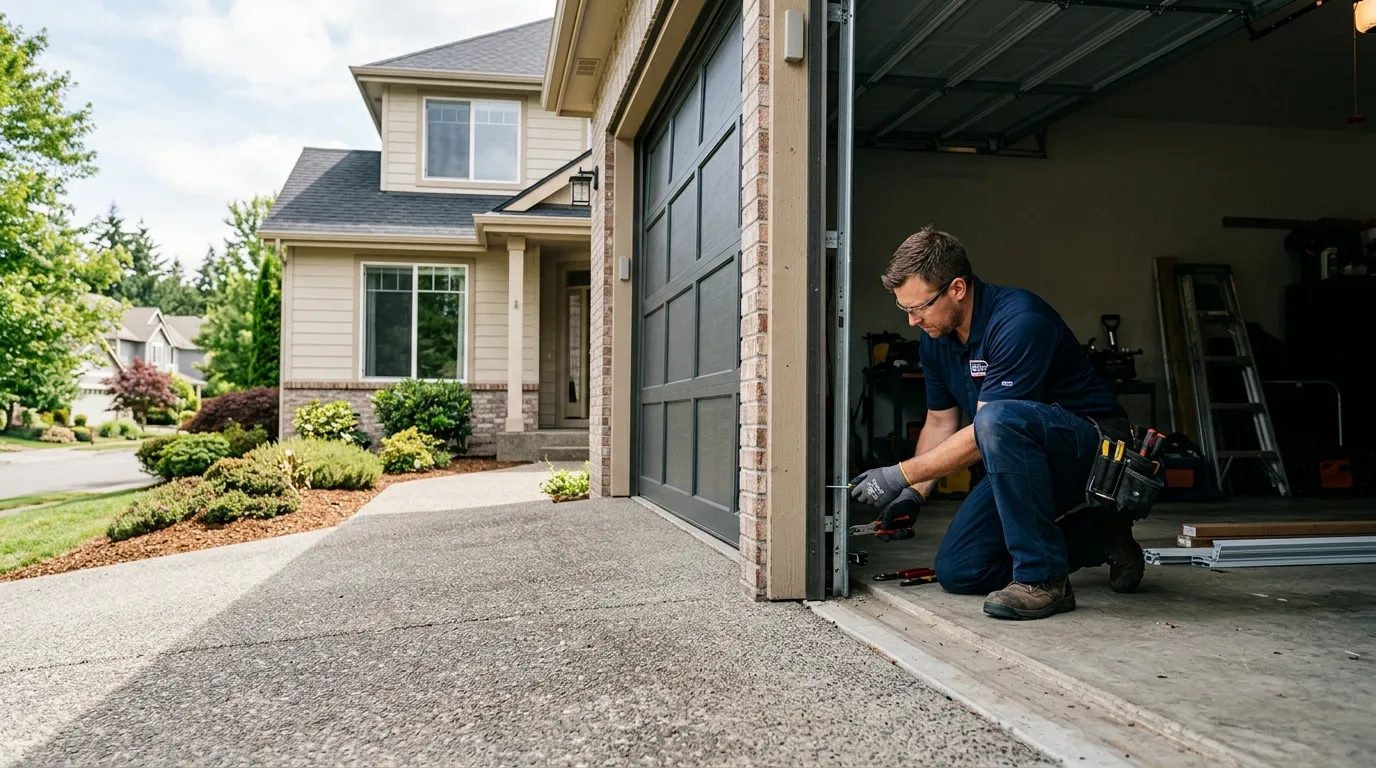
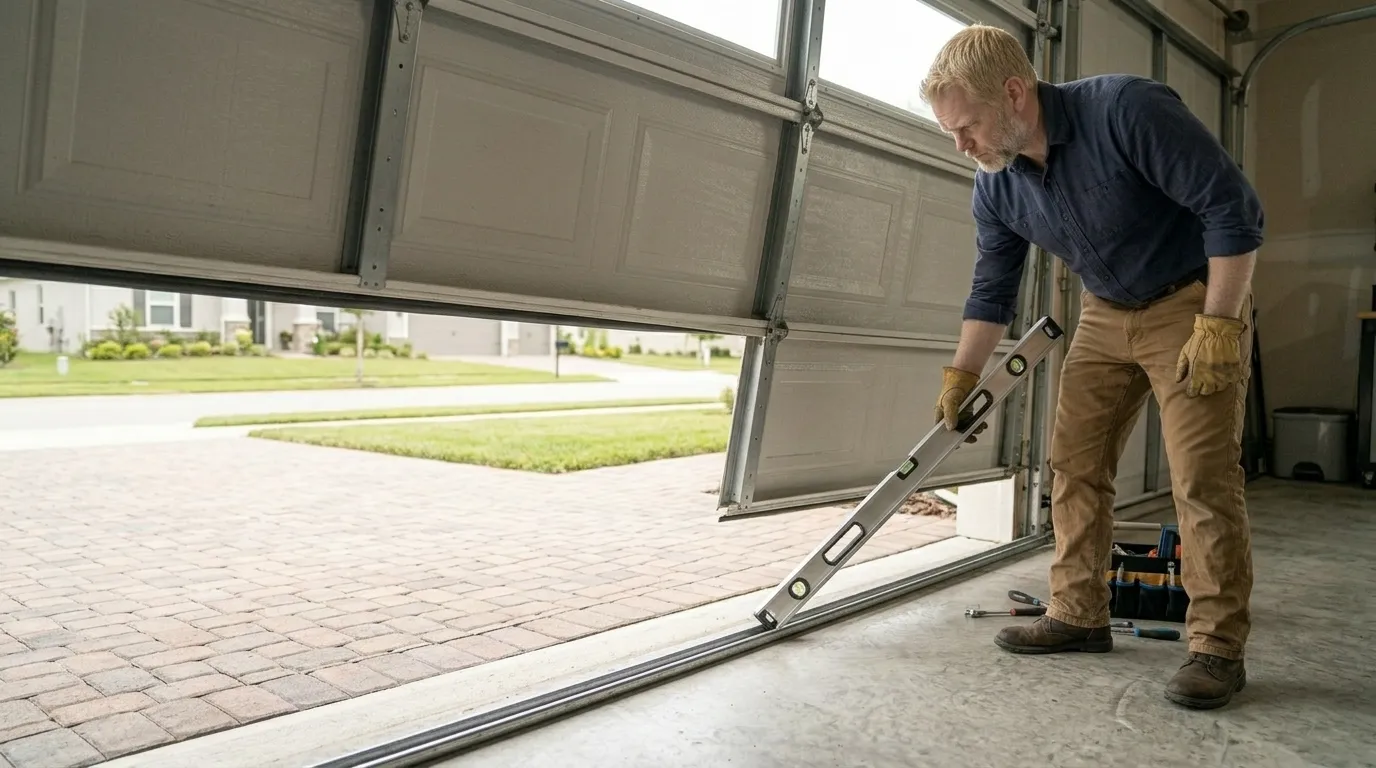
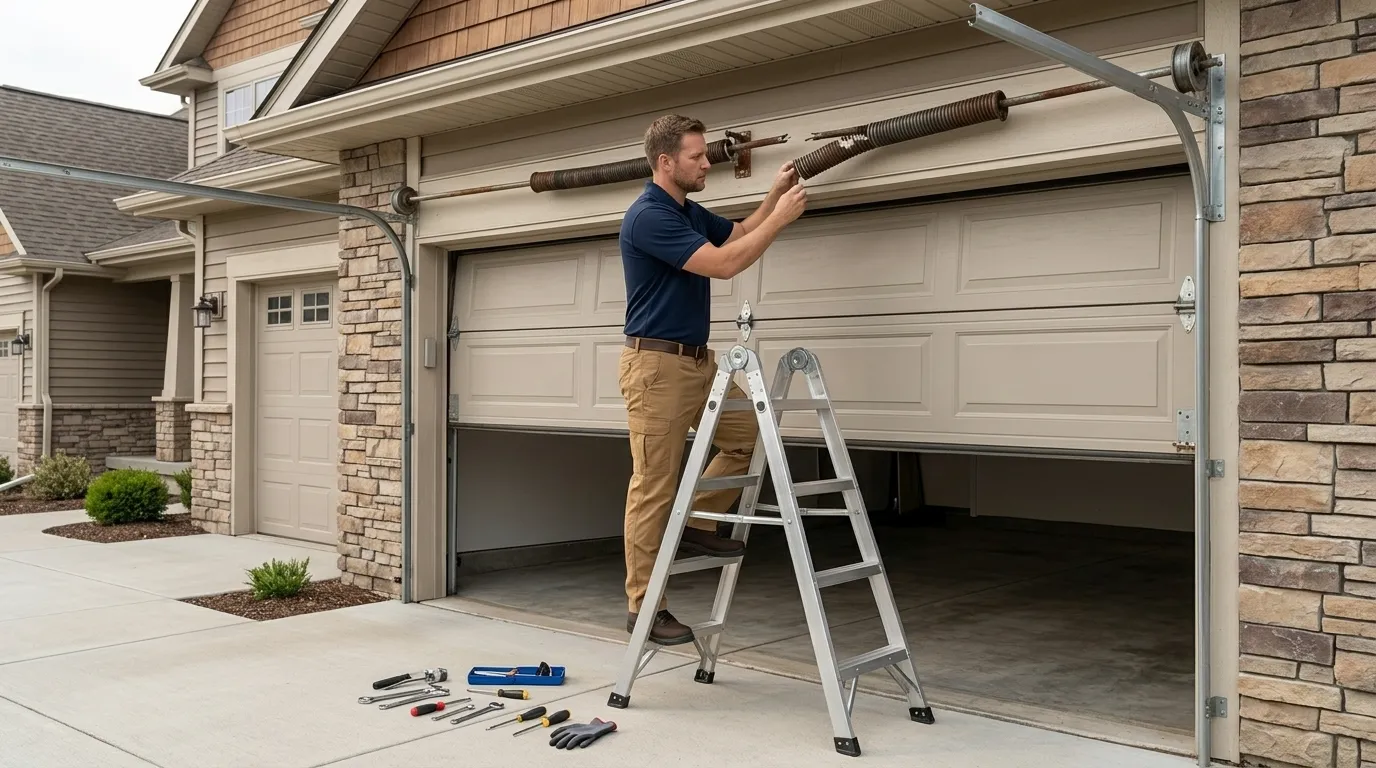
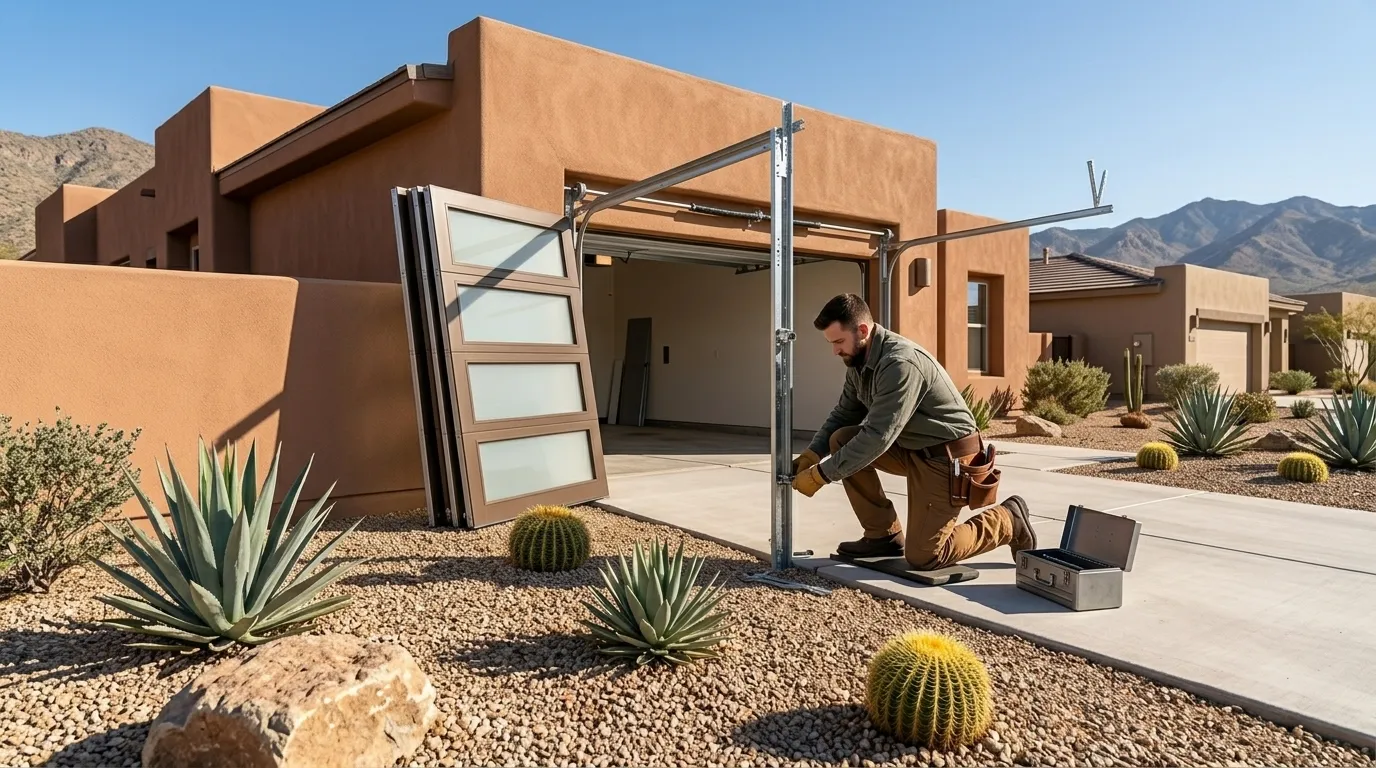
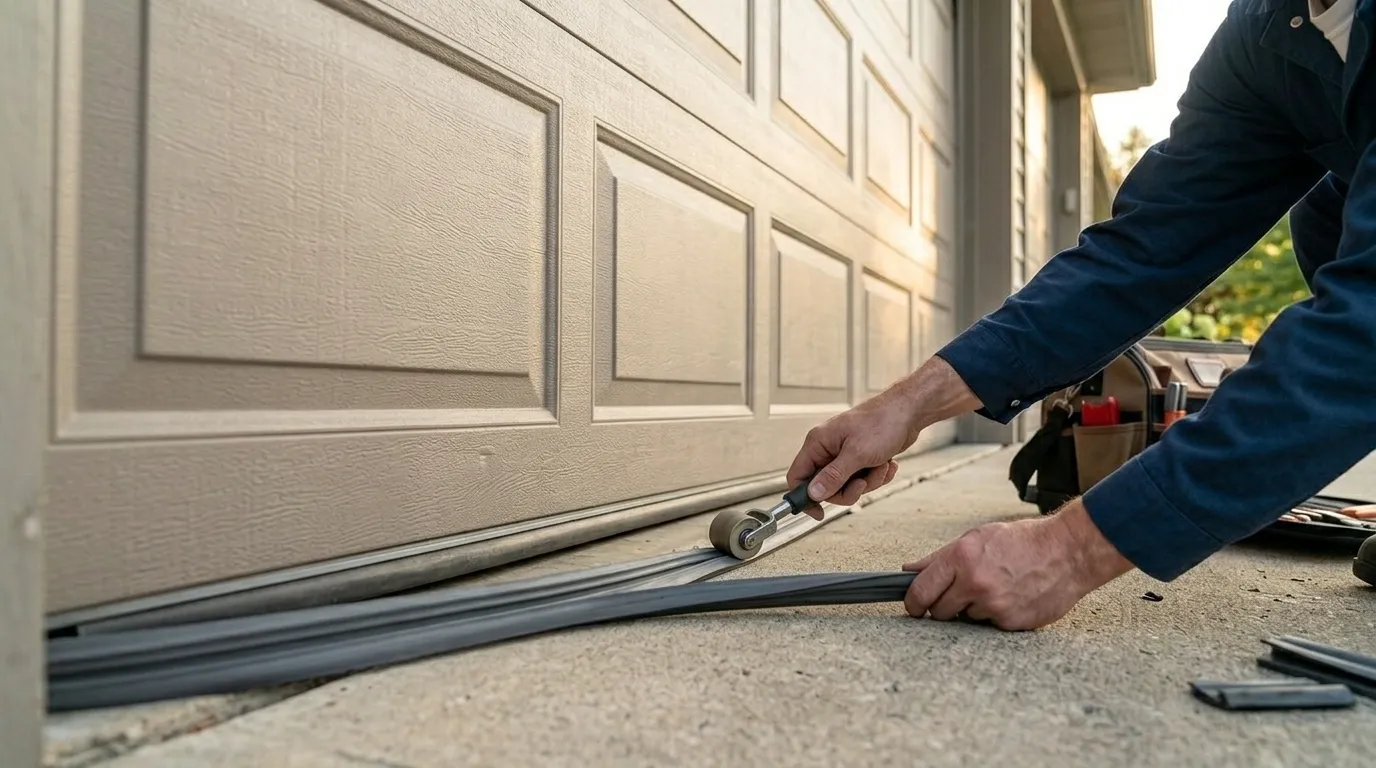
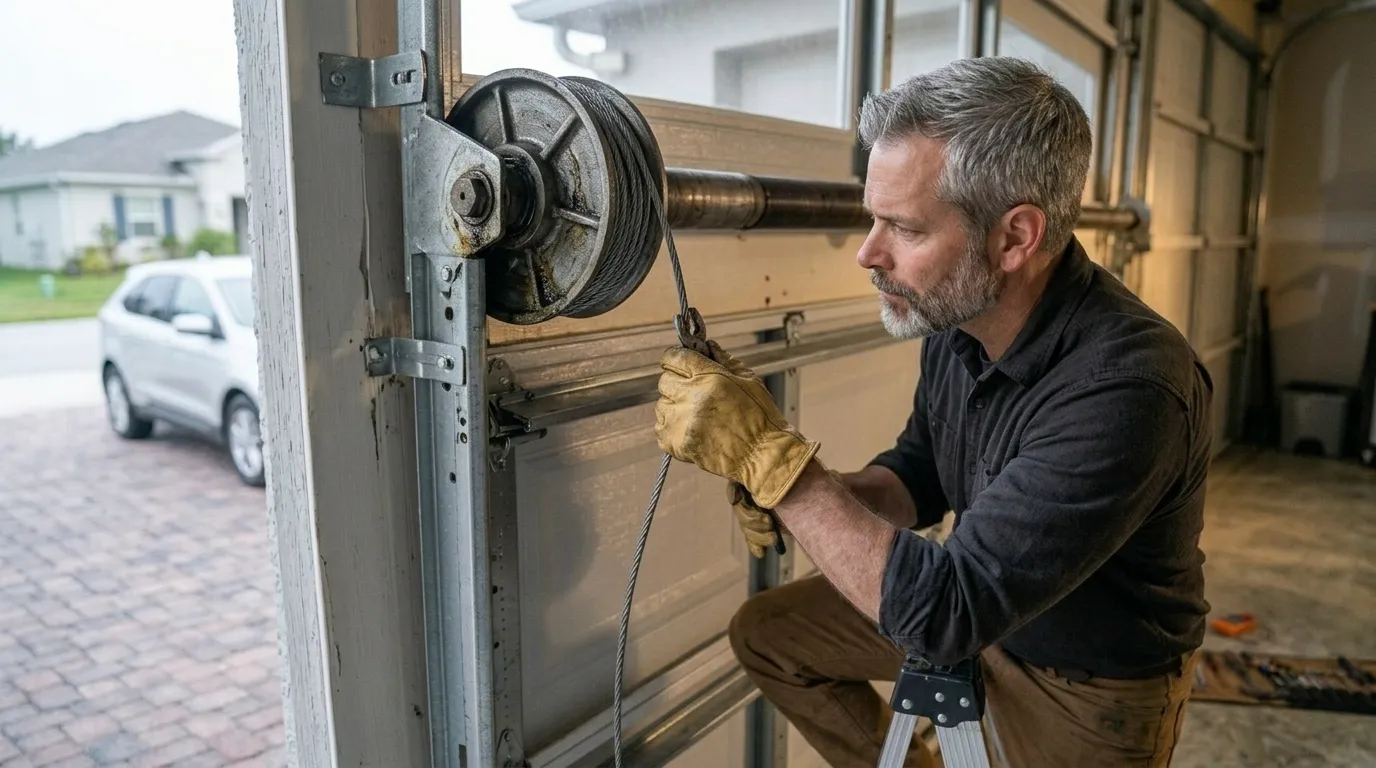
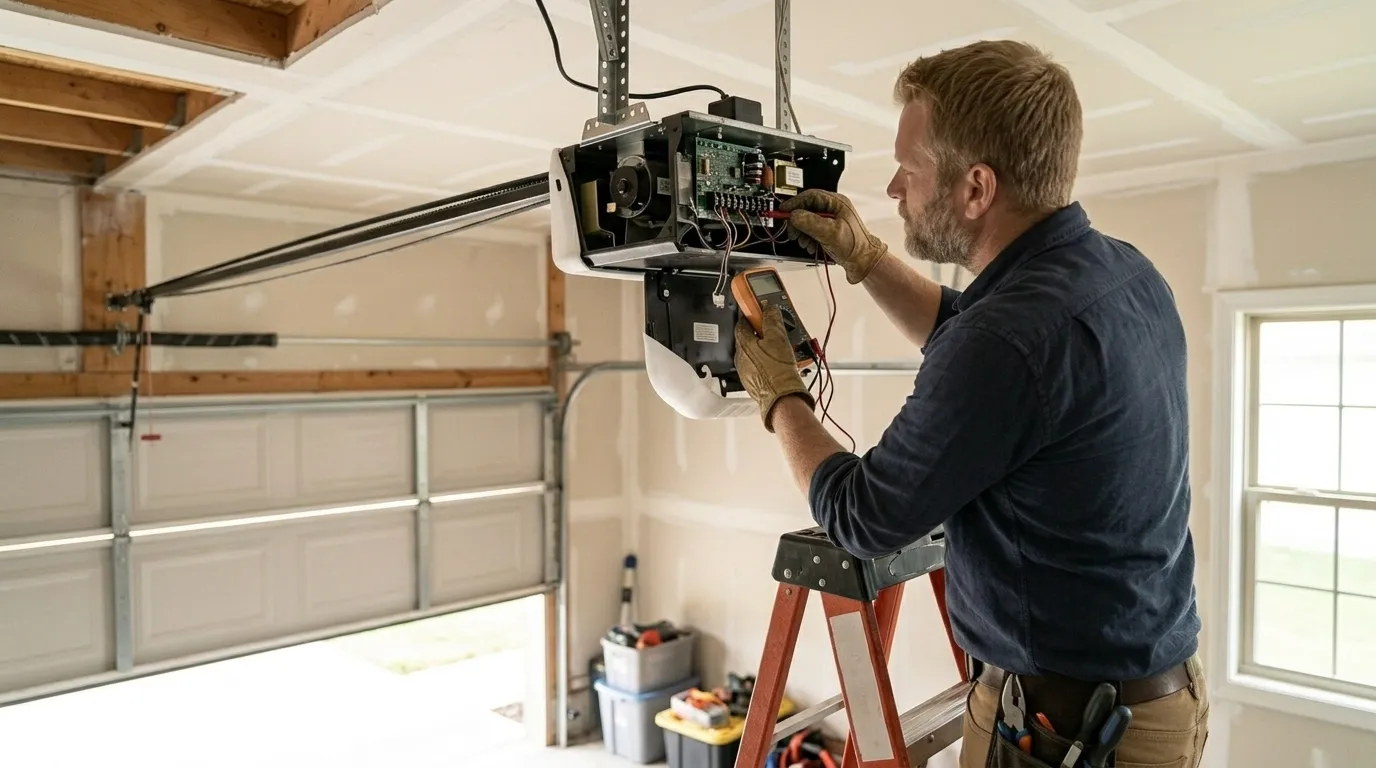
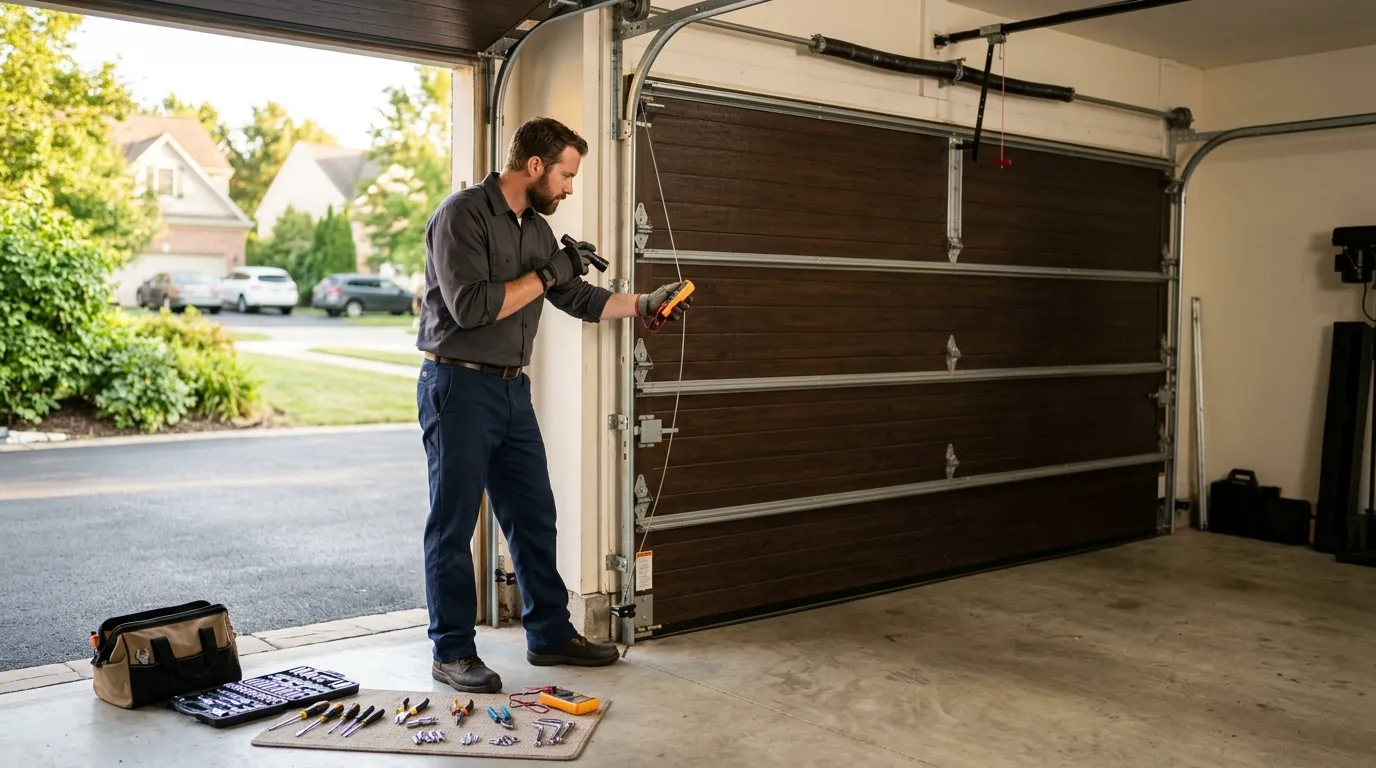
Most emergency calls break down into three jobs: a snapped torsion or extension spring, an opener that's stopped talking to the wall switch or remote, or a track that's bent enough to bind the rollers. On a typical call we pull the panel, check the cable drums, and look at the spring winding cones before touching anything under tension - that's the part that hurts people when it's rushed. If the door came down on something or the bottom panel is caved, we're also checking the track alignment on both sides, not just the side that looks bent. Houses across this service area were mostly built between 1979 and 2000, with a median around 1984, so we're usually working on doors and openers from that era or first-generation replacements for them. That means standard torsion spring sizes and older chain-drive openers more often than the belt-drive units you'd expect on new construction. Parts for that generation are common, but a few opener control boards from the early production runs are slow to source - if that's what's dead, we'll tell you up front rather than promise a same-day fix we can't back. A same-day repair on the mechanical side (spring, cable, roller, track) is realistic. A backordered circuit board is not something we can rush.
What You Pay
We don't have a published price list to quote here - what a repair costs depends on whether it's a spring, a cable, an opener logic board, or a full track realignment, and we're not going to put a number on a call we haven't seen. What we can tell you is how the math tends to work for households in this area: with a median household income of roughly $61,964 and around 3,066 households behind roughly 3,659 owner-occupied houses across the region we cover, most people here are weighing a repair against a full door replacement, not against doing nothing. If the spring or opener is the only failure, repair is almost always the cheaper and faster call. If the panels are also rusted through or the track is warped along its whole run, replacement starts to make more sense, and we'll say so instead of patching something that'll fail again in a season. Ask for a breakdown before the truck leaves - which part failed, why, and what it costs to fix versus replace. If we can't explain that in plain terms, something's wrong.
Why This Fails Locally
This area's housing stock skews older than a lot of people assume - built mostly in the 1980s and 90s across the three main residential pockets we work in, which puts a lot of original torsion springs and first-generation openers well past the age where failure is a surprise. Springs are rated for a number of open-close cycles, not years, but 30-40 year old hardware has usually used up its life either way. Add a cold, moderate climate to that: steel contracts in cold nights, lubrication thickens, and a spring or cable already near the end of its rated cycles is more likely to let go on the first hard-freeze morning of the season than in July. That's why the emergency calls cluster the way they do - it's not random bad luck, it's 1980s hardware meeting a cold snap. Doors that get serviced every year or two shrug this off. Doors that haven't been touched since they were installed are the ones that fail without warning, usually at 6am when someone's trying to leave for work.
The Symptom
If the door won't budge and there's a visible gap or kink in one of the springs above the door, that's a broken torsion spring - don't try to force the opener, it can snap the cable next. If the door opens partway and reverses, or the opener runs but the door doesn't move, check first whether the emergency release cord got pulled (kids and pets do this) before assuming it's mechanical. A door that's noisy but still moves - grinding, popping, or a slow sag on one side - is usually a roller or cable starting to go, and it's worth a call before it becomes a stuck door at 6am. A door that won't close and blinks the opener light is almost always a photo-eye sensor knocked out of alignment, which is a five-minute fix once you know to look for it. If the door is dead silent and the opener light doesn't come on at all, check the breaker before you call anyone - it happens more than you'd think.
How it works
From “it’s stuck” to “it’s fixed”
A quick, honest process - no guesswork and no surprises.
1
Tell us what’s wrong
Describe the symptom - won’t open, loud bang, opener runs but the door won’t move.
2
On-site diagnosis
A technician tests the door under power and by hand and finds what actually failed.
3
Clear, up-front plan
You get the fix that’s needed and what drives the cost - before any work starts.
4
Repaired & tested
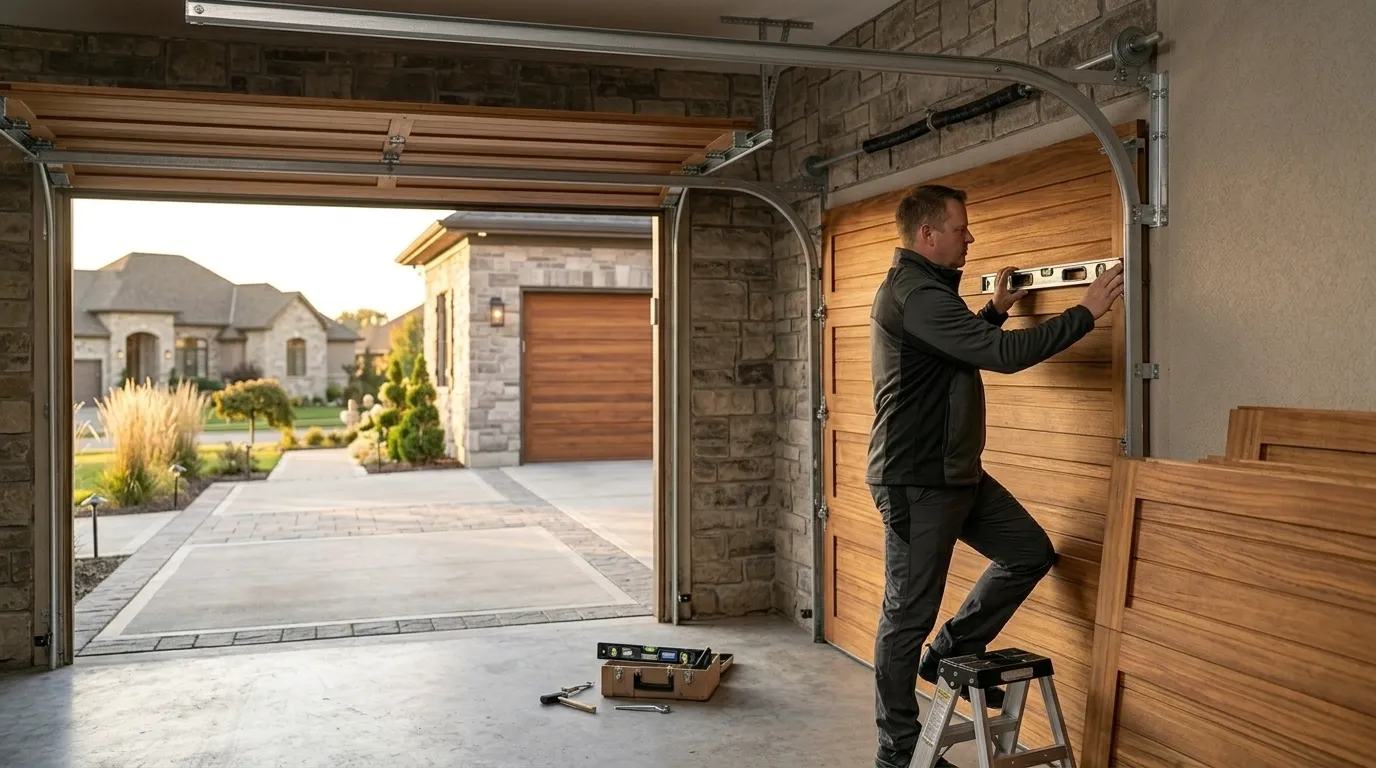
The repair is done, the door is set true and tested, and the work area left clean.
Serving Payson, AZ - tell us what your door’s doing and we’ll take it from there.
How fast can someone get to a stuck-open garage door in Payson?
We don't have a published response-time guarantee to quote you, so we won't invent one here. Call and we'll tell you the real window for that day, which depends on where the truck already is and what's ahead of you in the queue.
Why did my spring snap in cold weather with no warning?
Torsion springs fail on cycle count, not a calendar, but steel gets less forgiving in cold overnight temperatures. A spring already near the end of its rated cycles is more likely to go on a cold morning than a warm afternoon - that's a stress-and-temperature problem, not bad luck.
Is it worth repairing a door built in the 1980s or should I replace it?
If the panels and track are sound and it's just a spring, cable, or opener component, repair is almost always the cheaper and faster route. If the frame is warped or panels are rusted through in more than one spot, replacement usually costs less over the next few years than repeated patch repairs.
My opener runs but the door won't move - what's wrong?
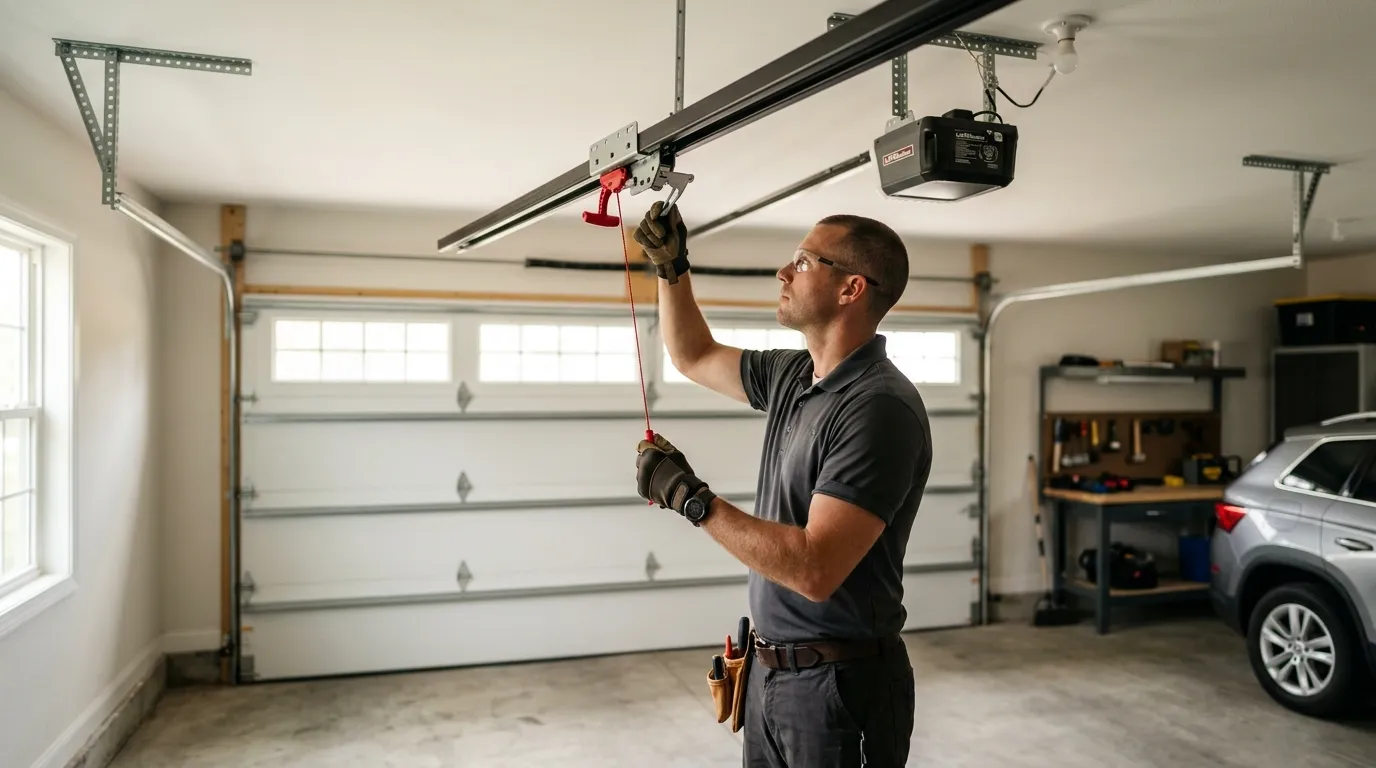
Check the emergency release cord first; if it's been pulled, the opener disengages from the door even though the motor still runs. If that's not it, the drive gear inside the opener or the cable connecting the door to the track has likely failed, and that's a job for a truck, not a screwdriver.