What You Pay
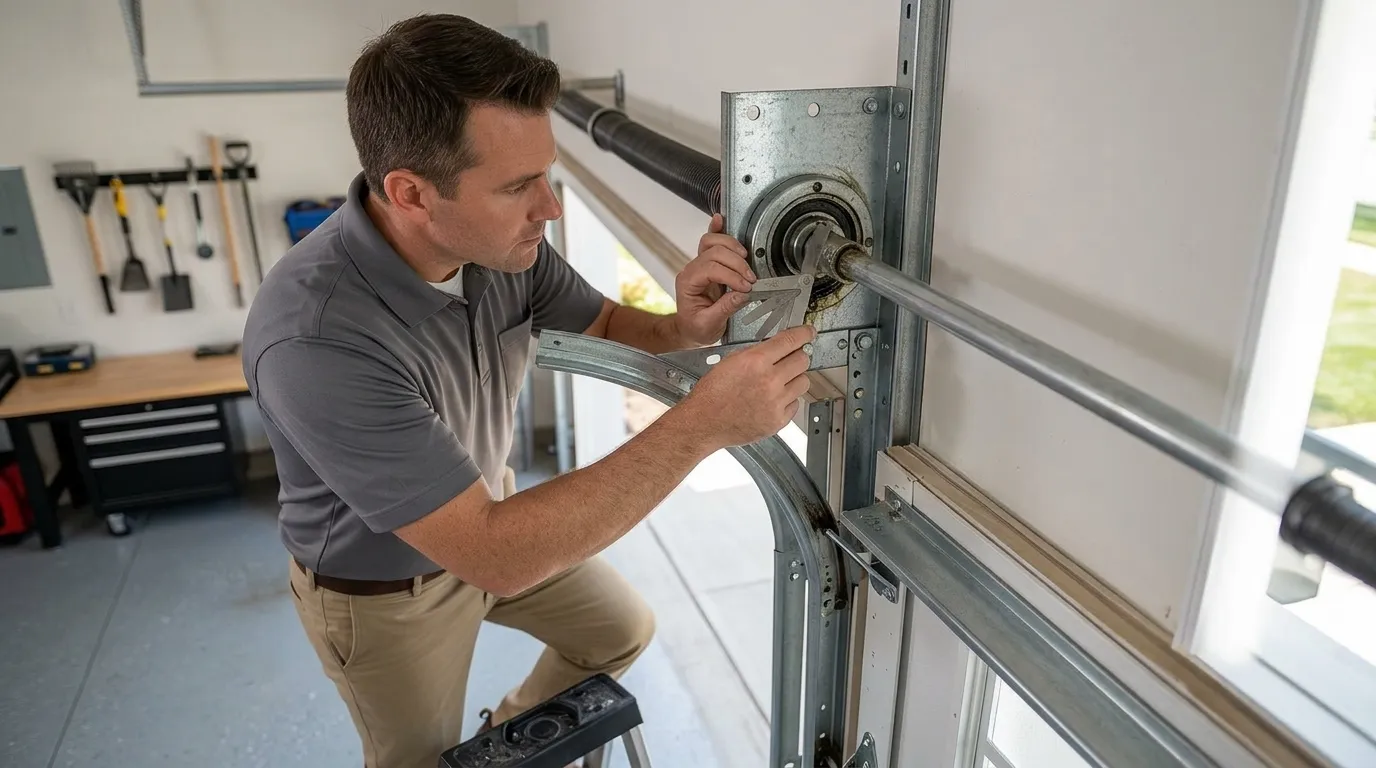
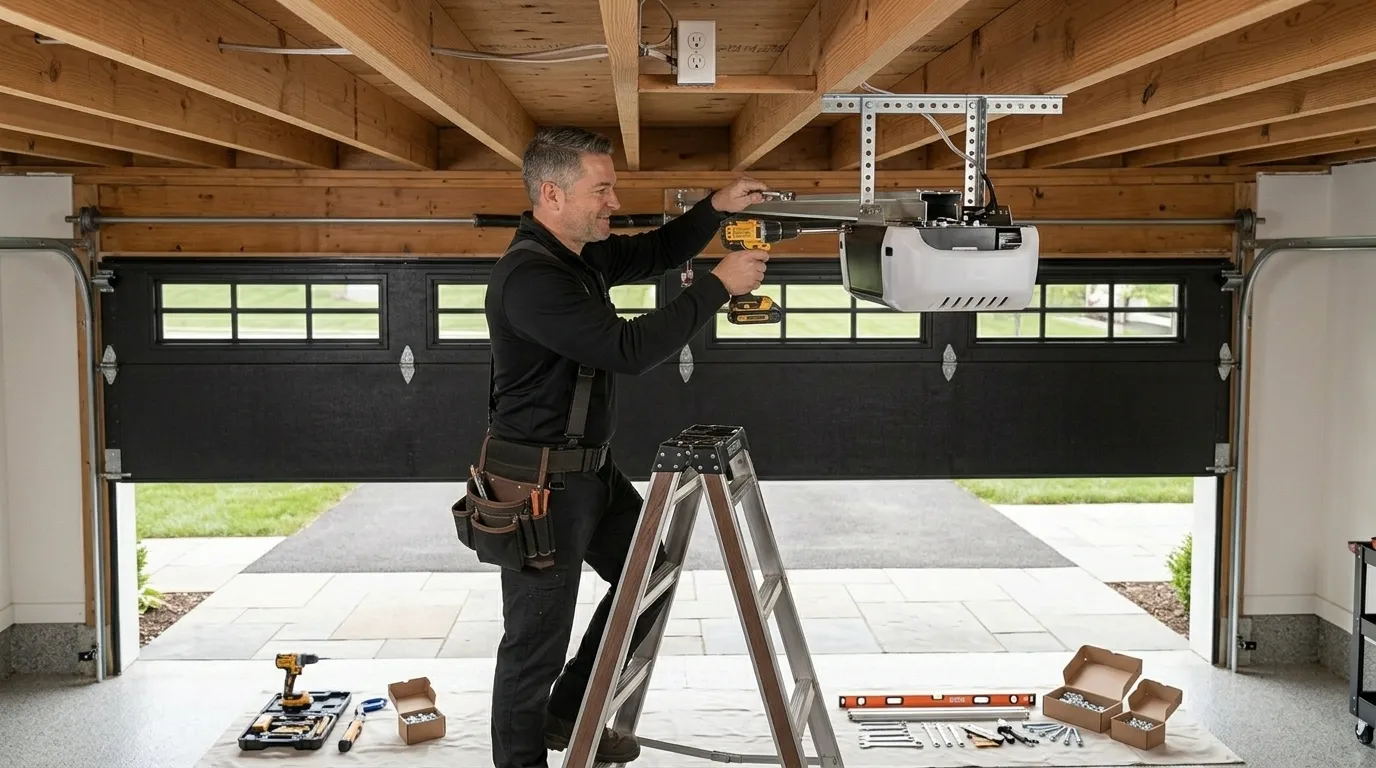
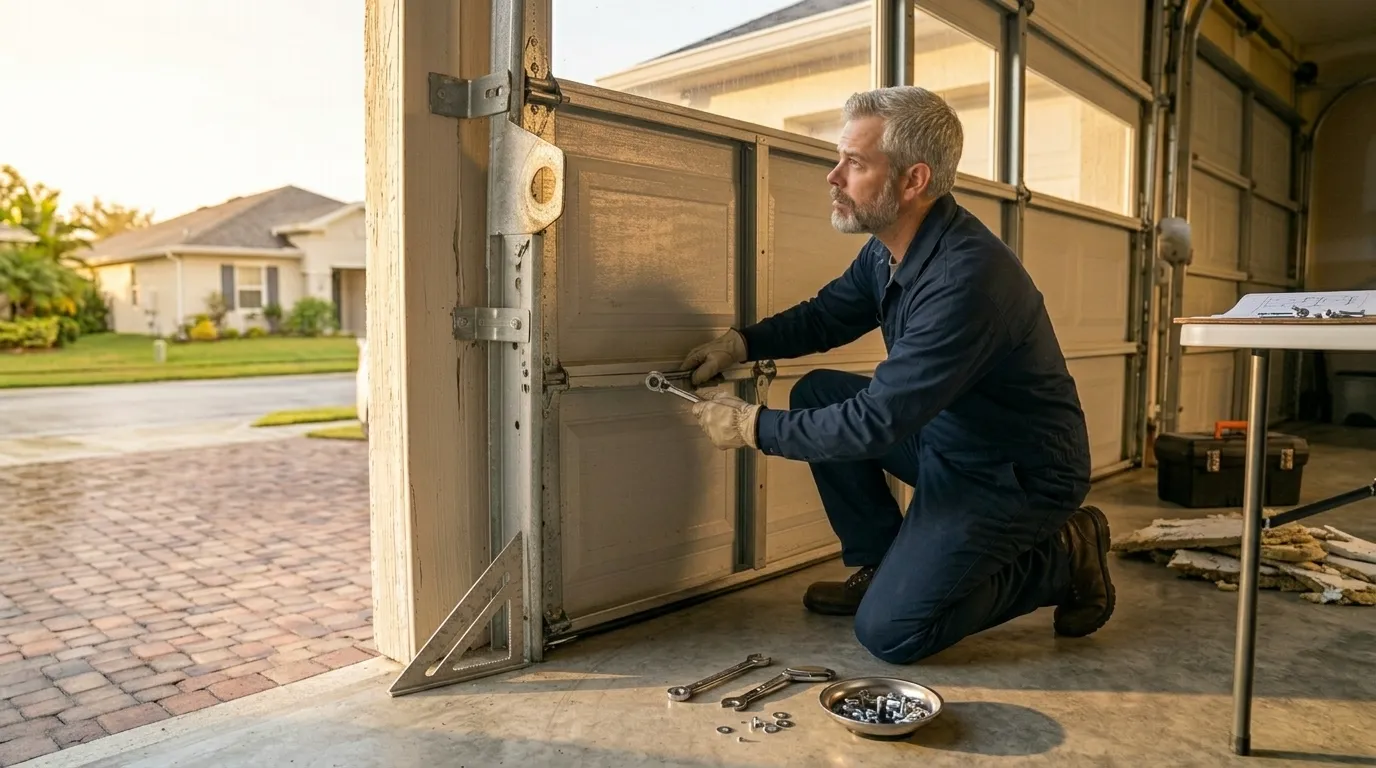
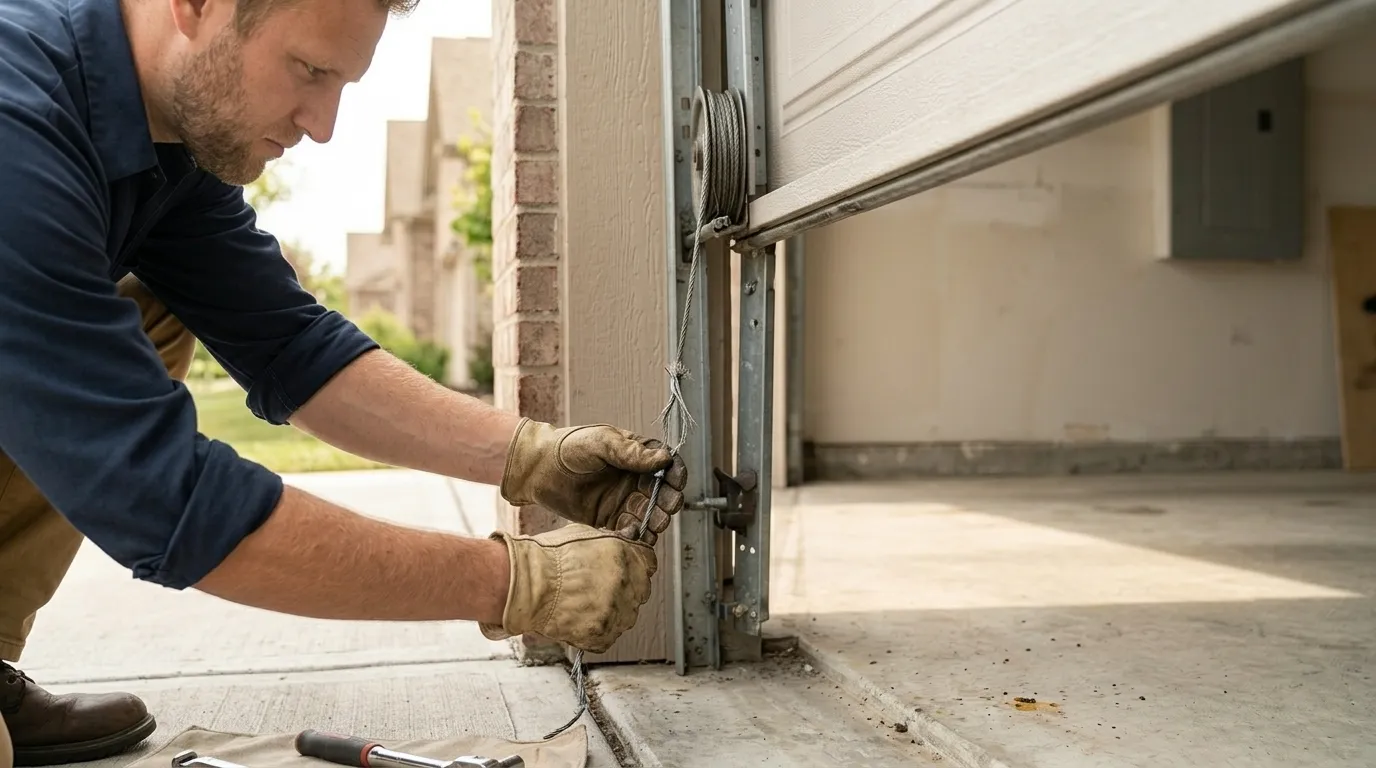
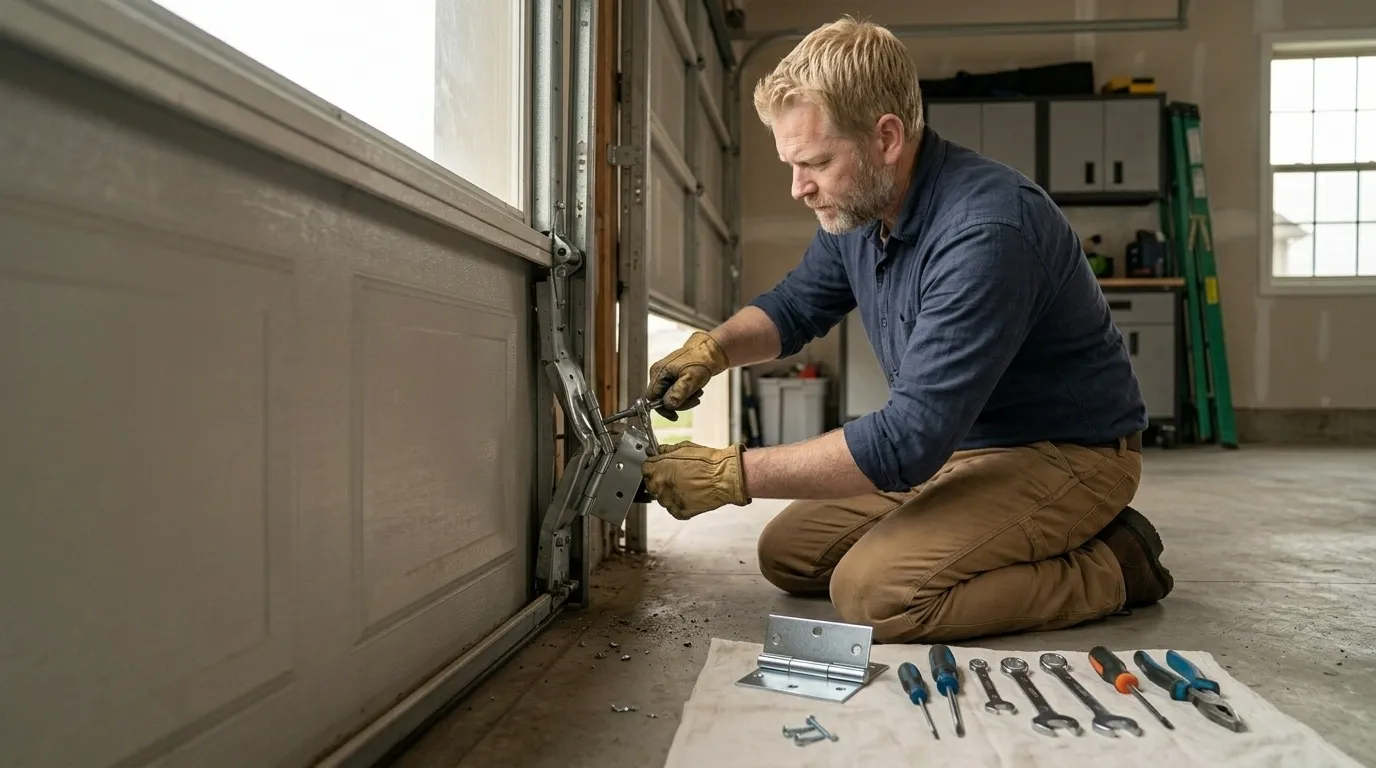
We don't post a flat number for this because two doors that look identical can need different spring wire, and wire gauge is most of what drives the price - a double 16-foot door carries more load than a single 8-footer, and heavier insulated panels need a stiffer spring than a hollow steel one. Drum and cable condition matters too; if those need replacing alongside the spring, that's added labor and parts, not a separate visit.
The honest limit here: we can't quote an exact figure over the phone without knowing the door's size, whether it's insulated, and how old the current spring setup is. What we can tell you on the phone is the range for a standard single-spring or double-spring job once we know those three things, and we'll confirm the number before any work starts, not after.
What we won't do is sell you a single replacement spring on a door that clearly needs both - it costs more up front to do the pair, but it's cheaper than paying for two separate service calls six months apart.
Why This Fails Locally
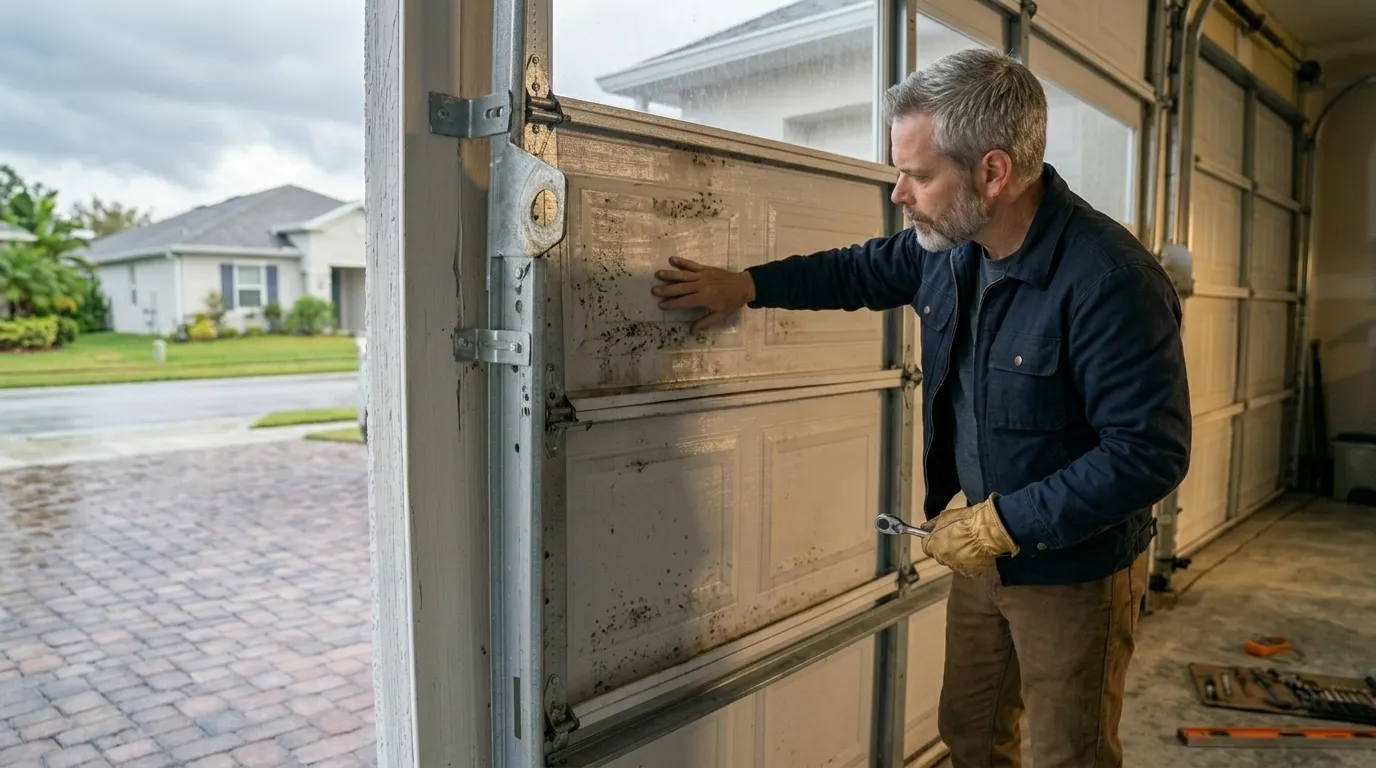
Most of the housing across the Payson service area went up between 1979 and 2000, with the bulk of it dating to the 1980s and 90s across three named areas of similar-era construction. That means a large share of the torsion springs still in service out here are original to the house - thirty to forty-five years old, well past any manufacturer's cycle rating even on doors that get light use.
The climate band here is cold-moderate, and that matters more than people think for a coiled steel spring. Overnight temperature swings make the metal contract and expand daily, and that repeated flex is what fatigues spring steel faster than raw age alone. A spring that might last another decade in a mild, stable climate is more likely to snap here simply from more freeze-thaw cycling per year.
Across the roughly 3,066 households and 3,659 owner-occupied houses in this service area, we see the same pattern regardless of which of the three main housing pockets a call comes from: original builder-grade springs, sized for the door weight in 1985, carrying loads they were never rated to hold for this many years. It's not bad luck - it's the math of old steel and daily temperature swings catching up at once.