Rollers grinding or jumping track on your Payson garage door? See why 1980s-90s builds and cold-moderate swings wear rollers fast, and what the fix actually involves.
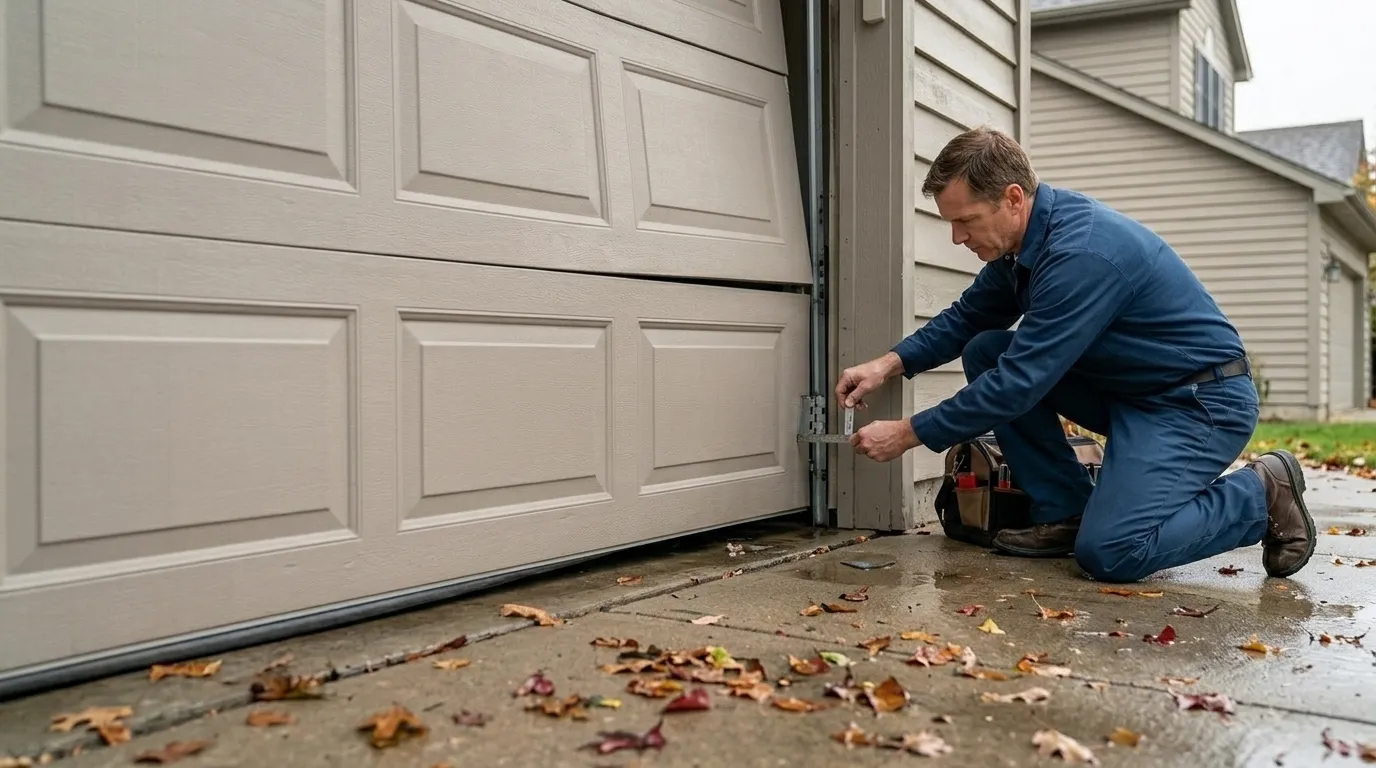
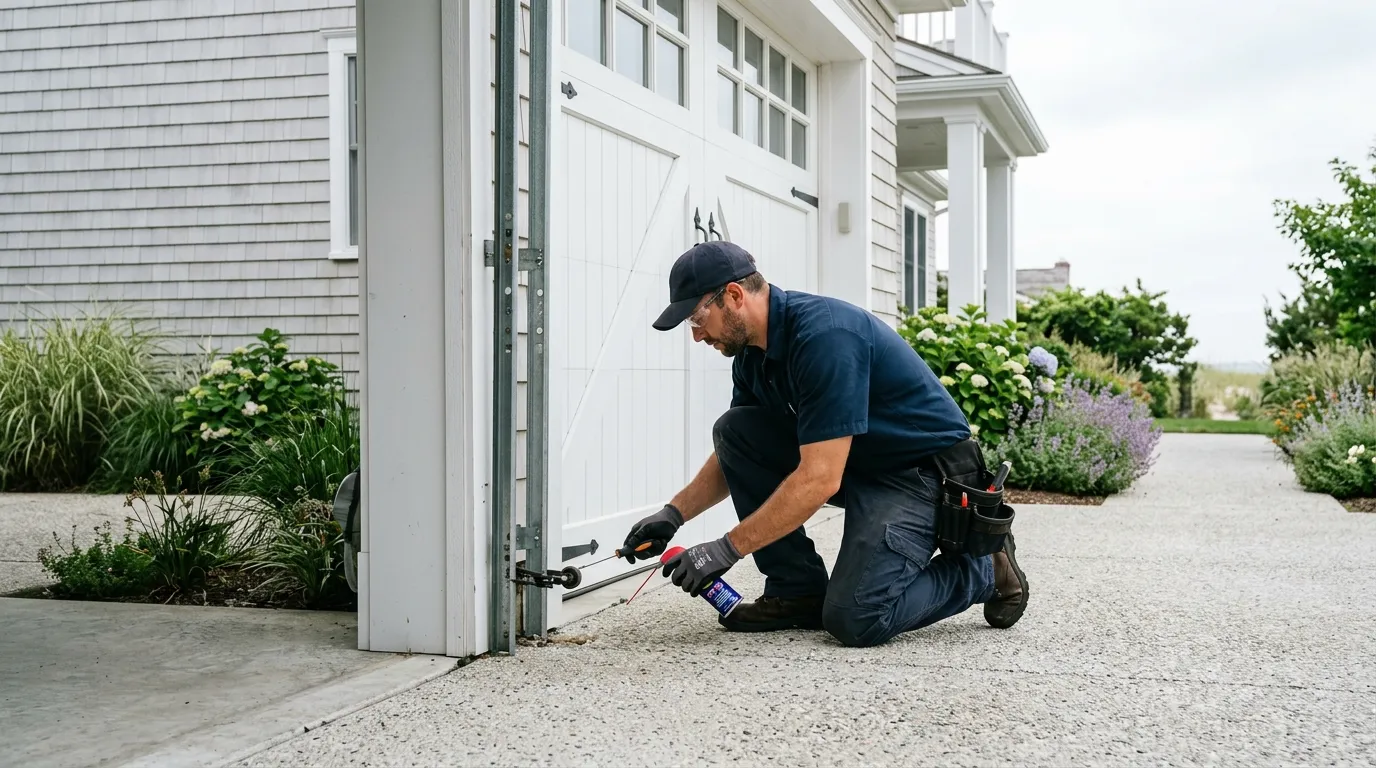
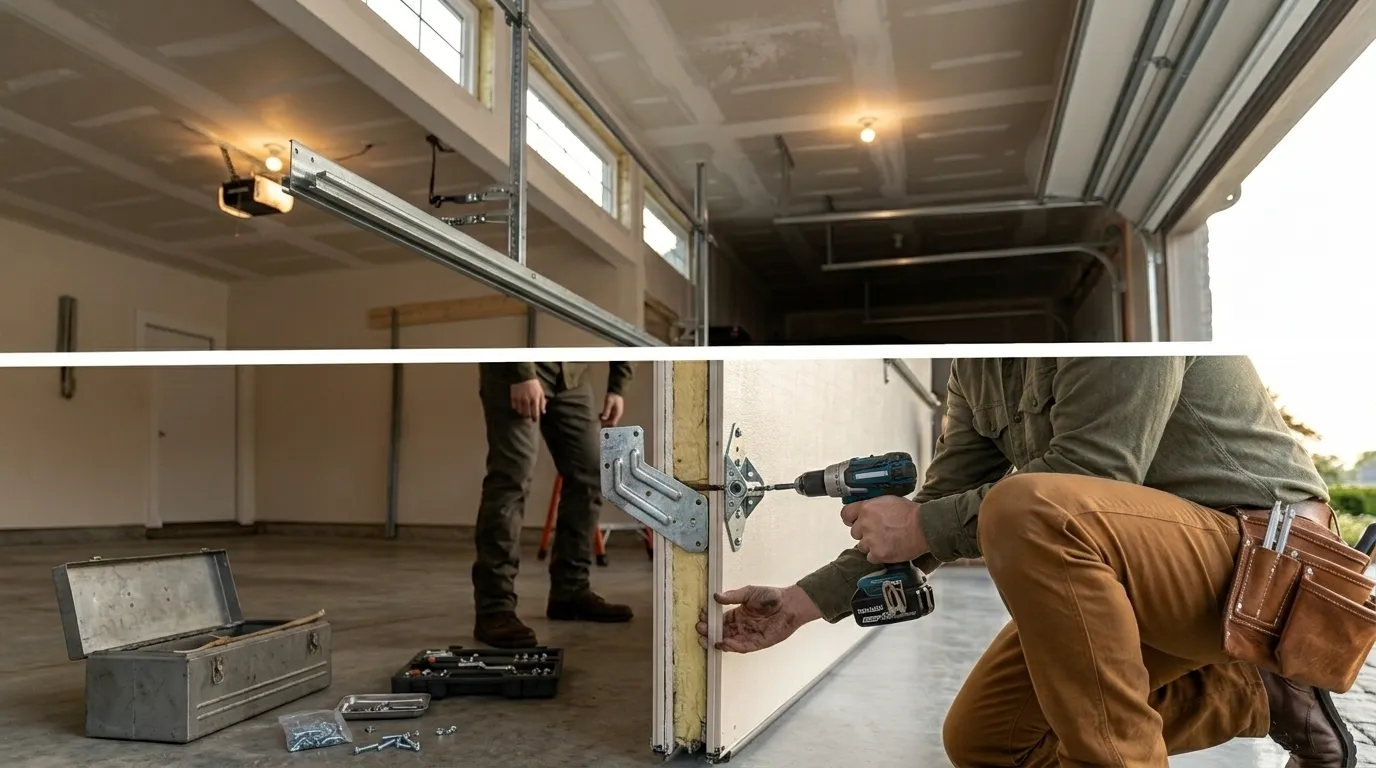
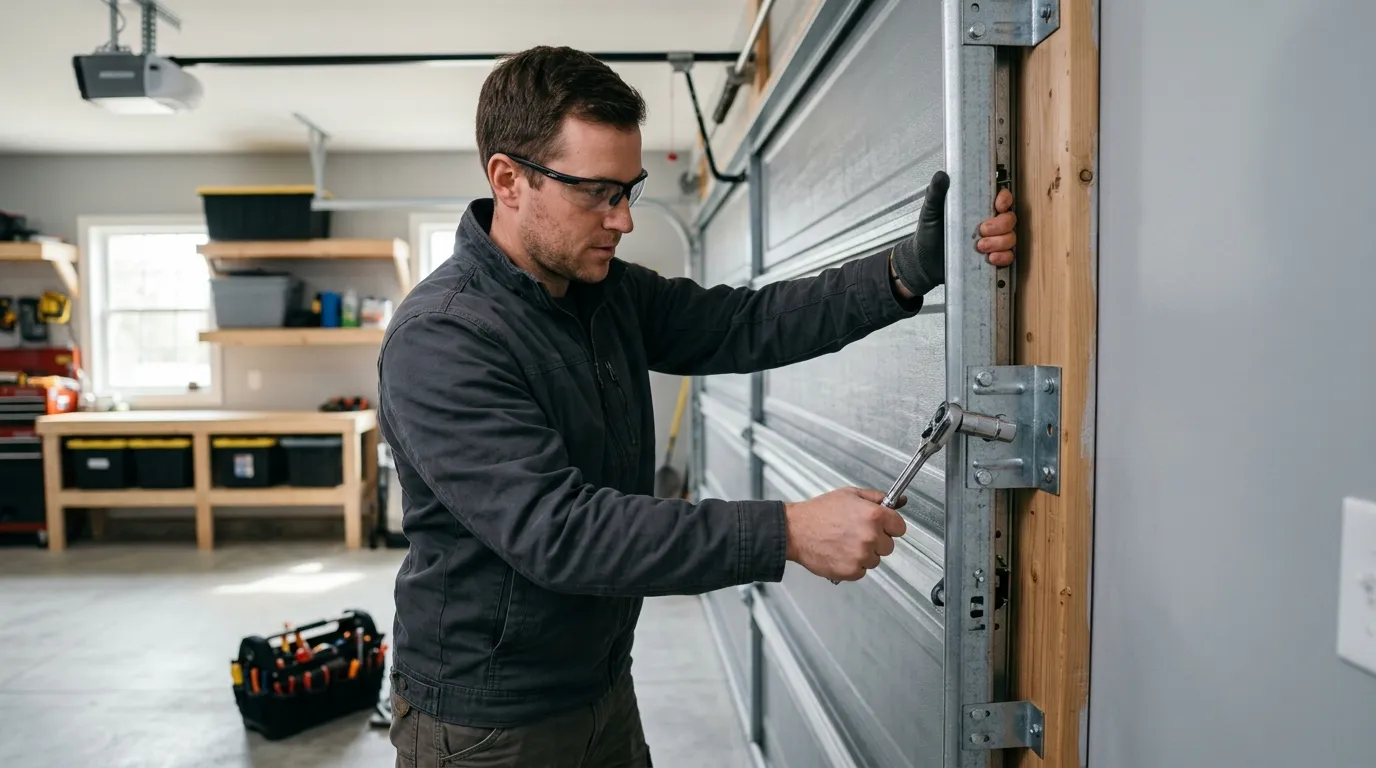
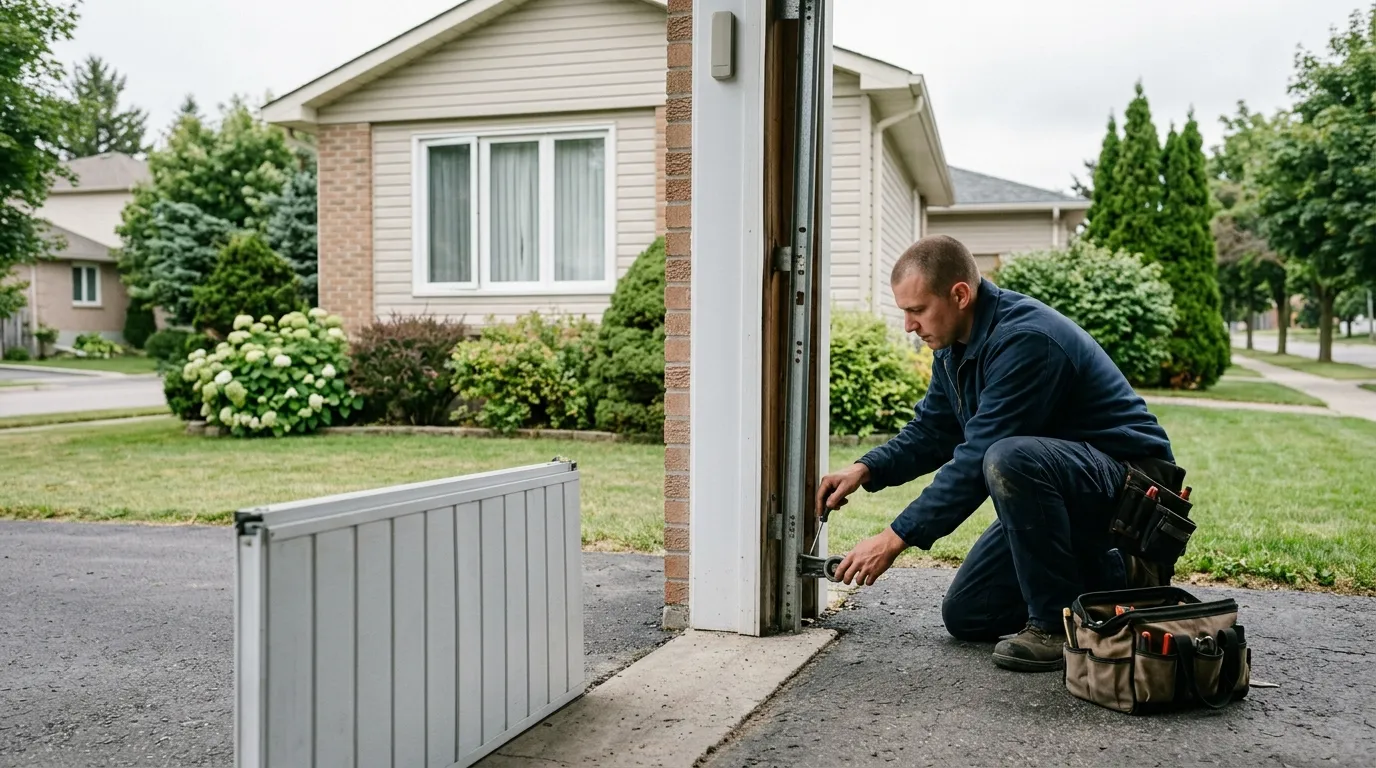
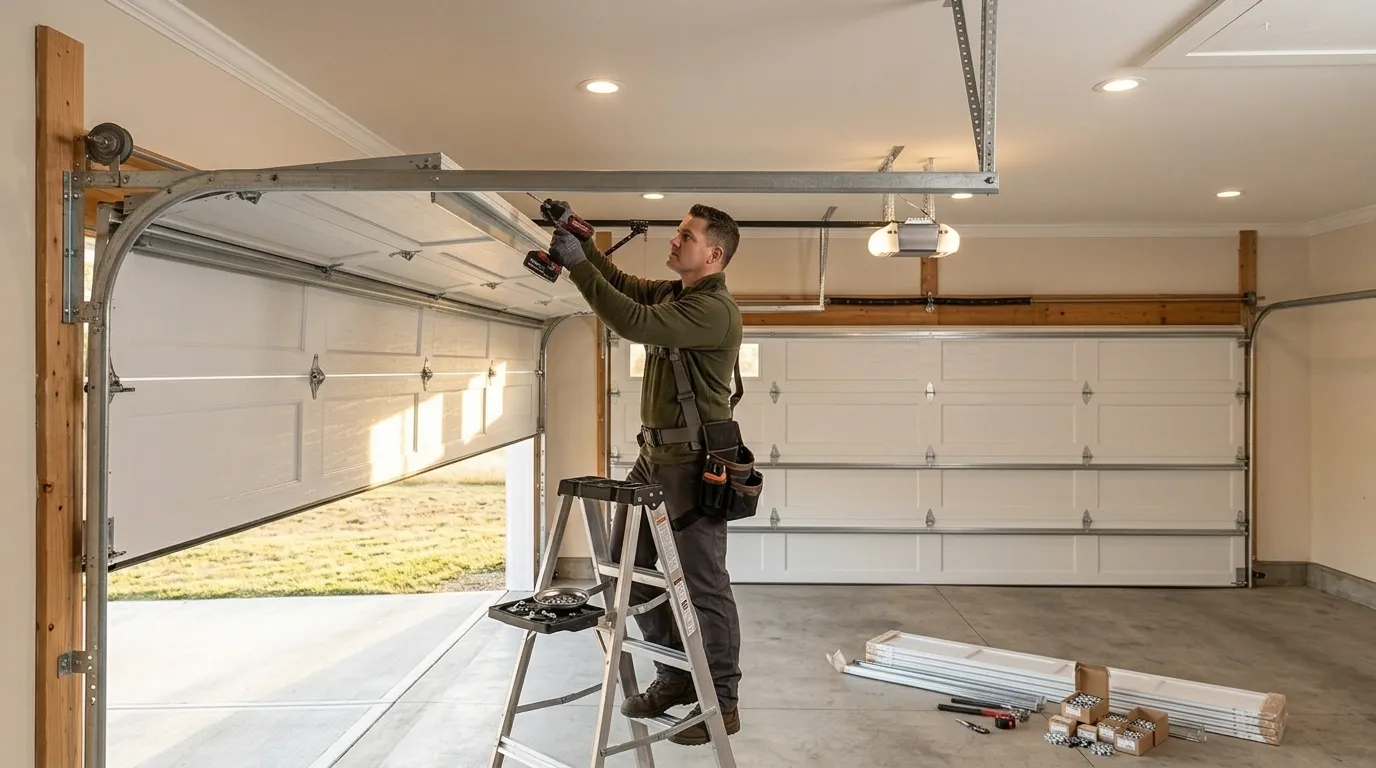
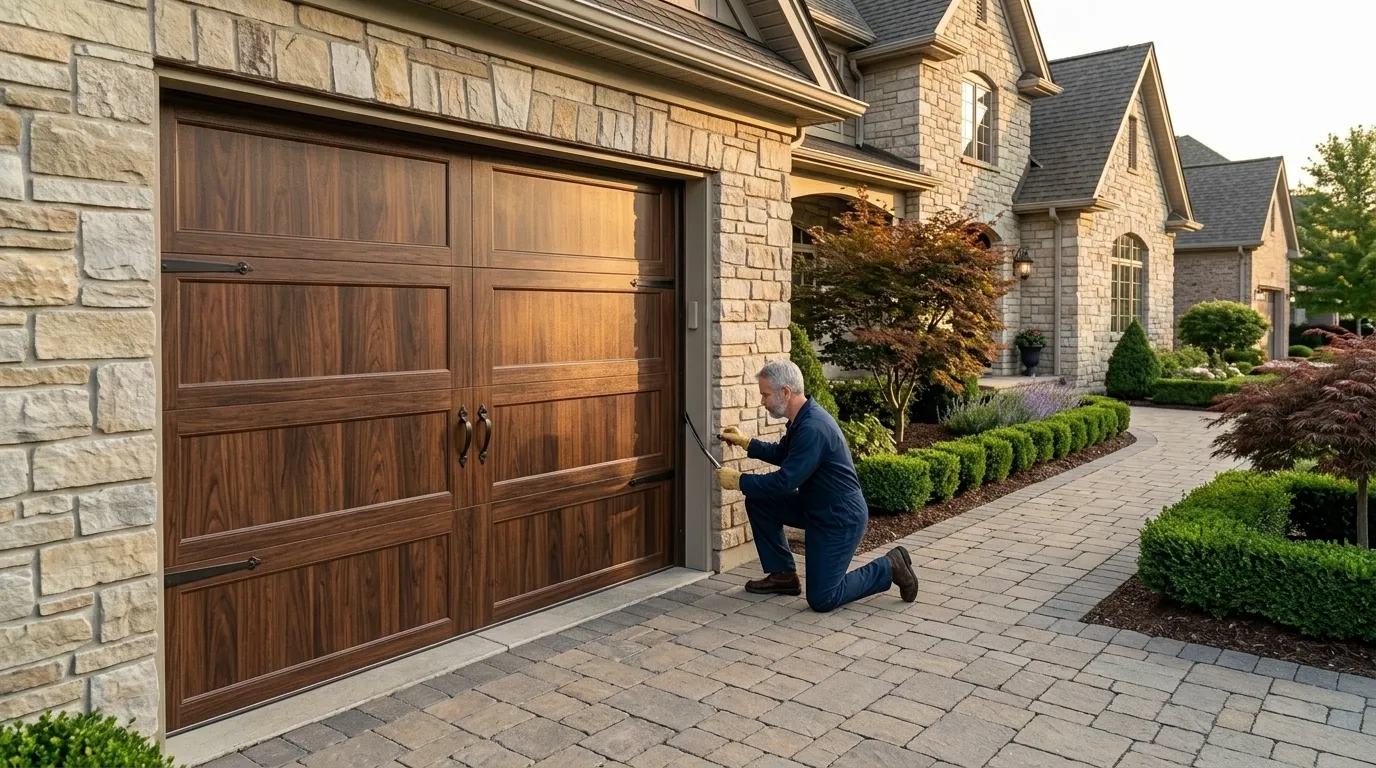
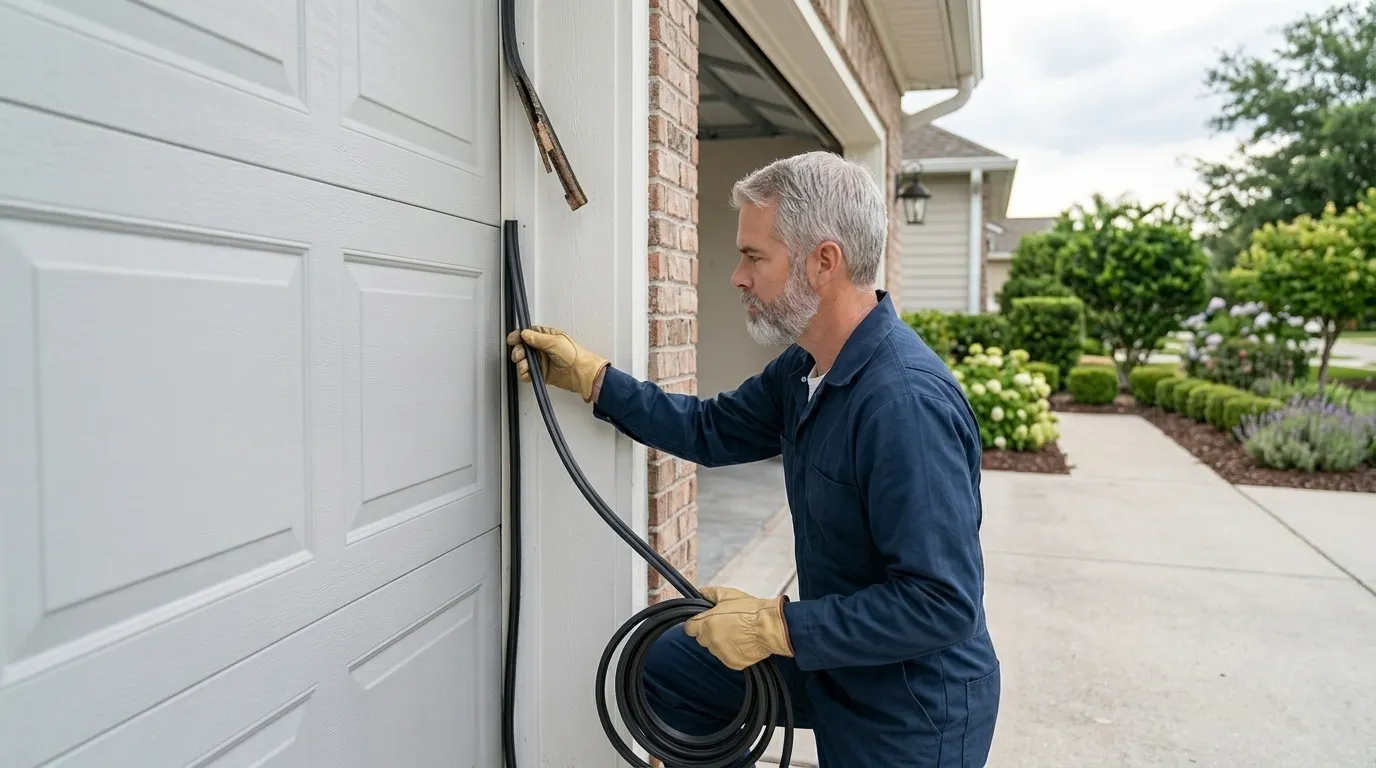
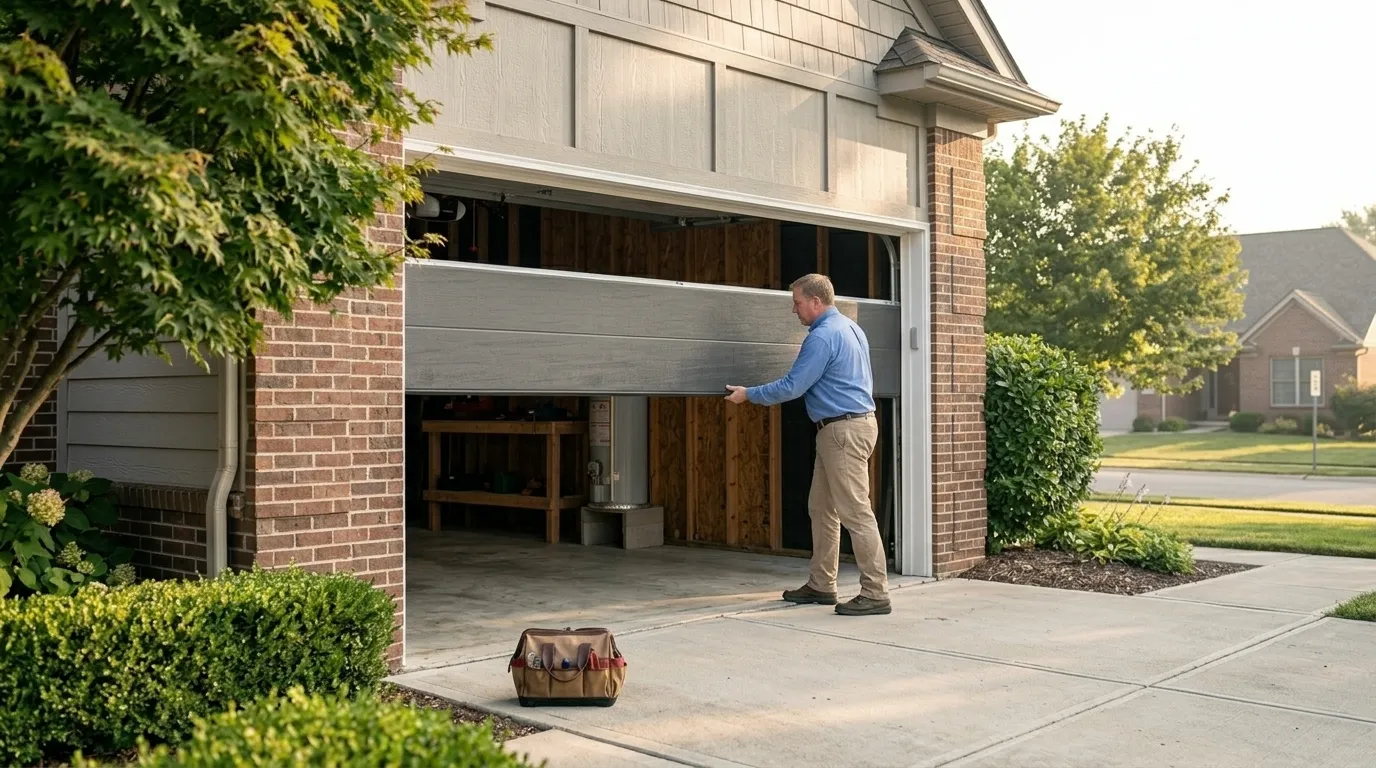
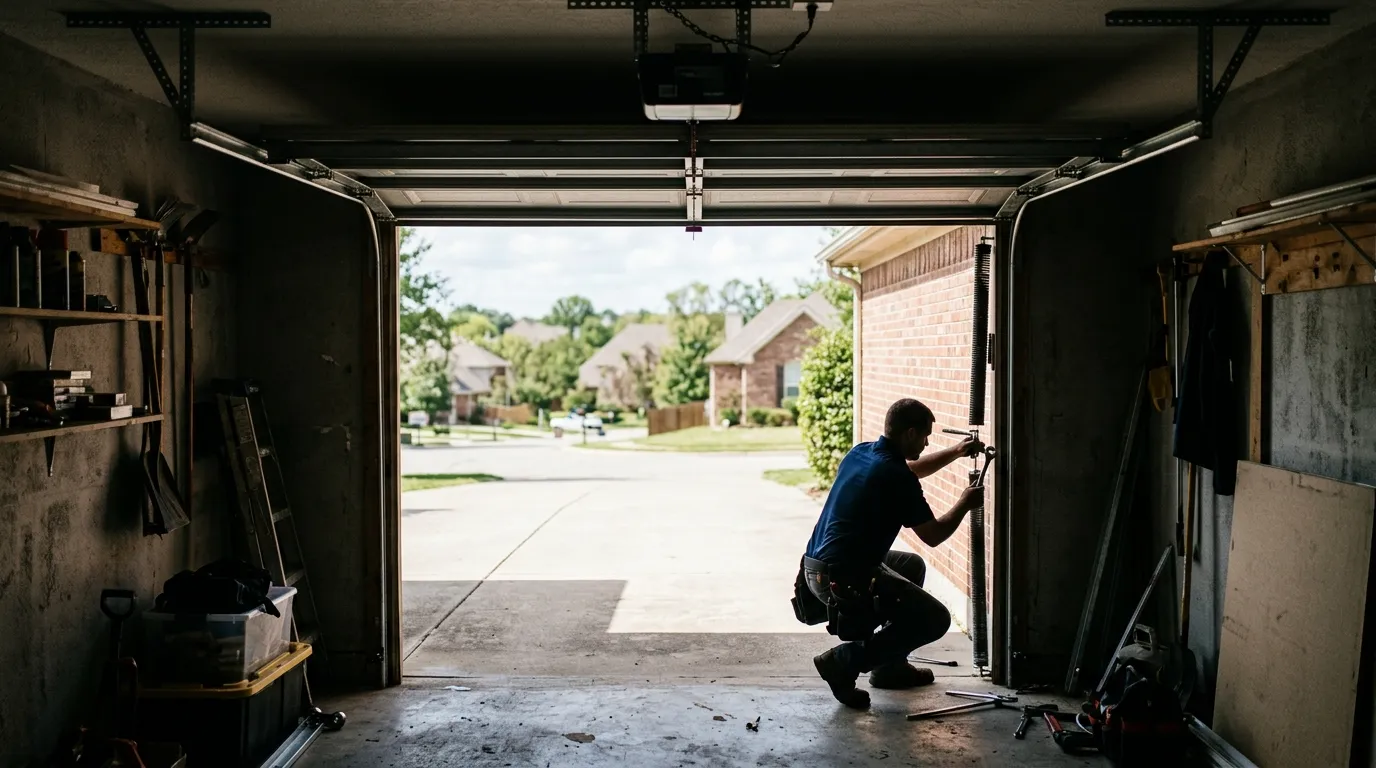
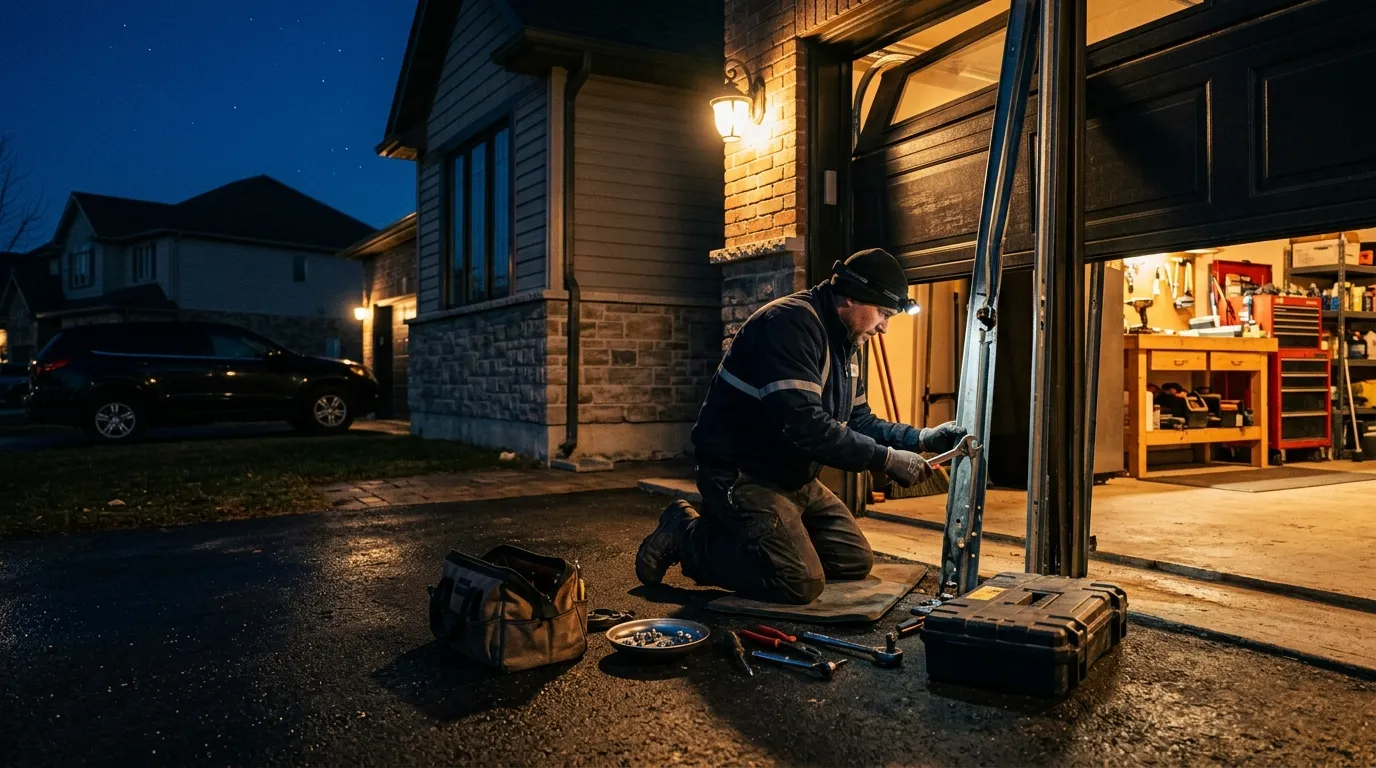
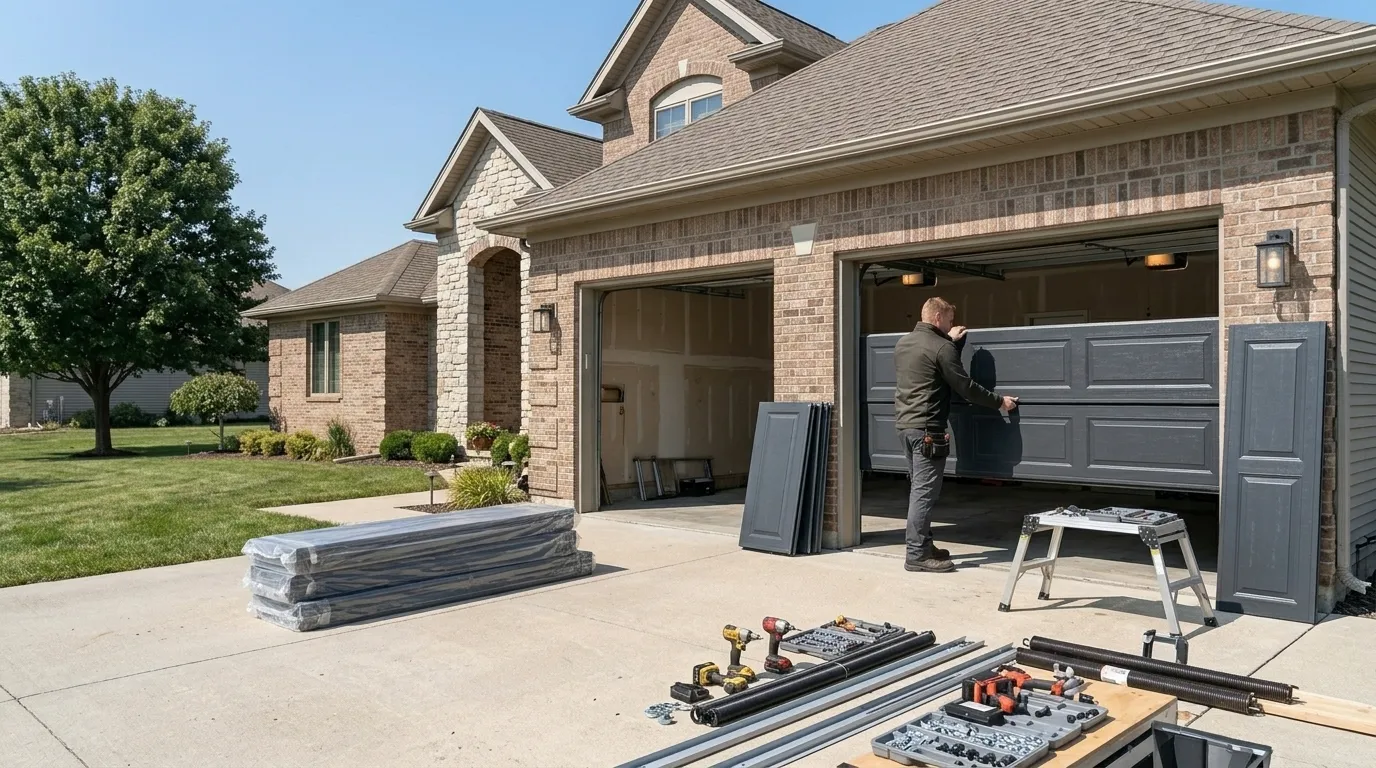
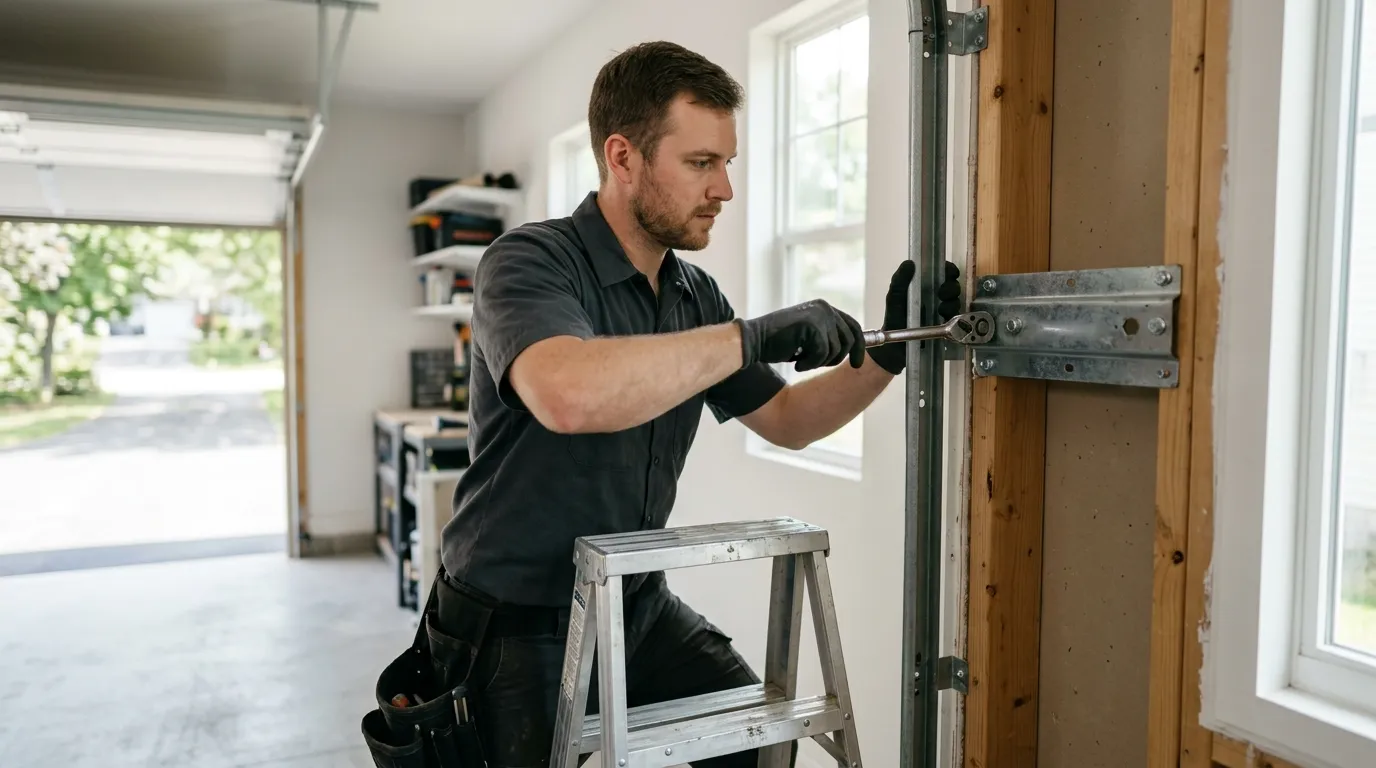
Roller replacement is a track-off job, not a five-minute swap. We disconnect the opener, release spring tension enough to move the door safely, then pull each roller stem out of the hinge bracket one at a time so the door stays supported. On a standard double door that's ten rollers; on a single, it's usually eight. Every bracket gets checked while it's apart, because a bent bracket will chew through a brand-new roller just as fast as the old one. If the track itself is dented or the rail has pulled away from the jamb, that gets straightened or re-anchored in the same visit rather than sent back for a second trip. We check the cable drums and end bearings too, since a roller that's been binding for months often takes a bearing down with it. Nylon rollers with sealed bearings go back in on most jobs; steel rollers still make sense on a handful of heavy commercial-grade doors, but that's the exception around here, not the rule. Expect the door to run quieter and pull less current at the opener once it's done - that second part matters more than people think, because a straining opener burns out gears early.
What You Pay
We don't publish a flat number for this one because the range depends on whether it's a couple of worn rollers or a full set, whether a bracket or section of track needs replacing alongside them, and whether the door is a single or double. What we can tell you: a roller-only job is one of the cheaper repairs we run, and it's almost always cheaper than letting a bad roller wreck a track or a cable. Ask for the breakdown when we quote on-site - parts and labor listed separately, not a bundled number you can't check. If a technician tells you the track needs full replacement instead of a roller swap, ask why; sometimes that's true, sometimes a straightened rail and new rollers get you the same result for less.
Why This Fails Locally
A big share of the housing across this service area went up between 1979 and 2000, with a lot of it clustered right around 1984 - that's the era of steel rollers on steel track with minimal sealing at the bearing. Those doors are now 25 to 45 years old, and the rollers on them have outlived at least one, sometimes two, garage door openers already. Payson and the surrounding towns sit in a cold-moderate climate band, which means the door sees real freeze-thaw cycling and wide daily temperature swings rather than steady heat or steady cold. Steel expands and contracts with that swing faster than the nylon sleeves and bearings do, so the fit between roller and track loosens over years, not months - you get slop, then noise, then a roller that jumps the rail on a cold morning. Homes from that same build era across the three main neighborhood clusters in this area share the same original hardware more often than not, which is why we see the identical failure - worn roller stem, grooved track, binding at the bottom bracket - on houses that otherwise look nothing alike. It's an age-and-climate problem, not a one-house problem.
The Symptom
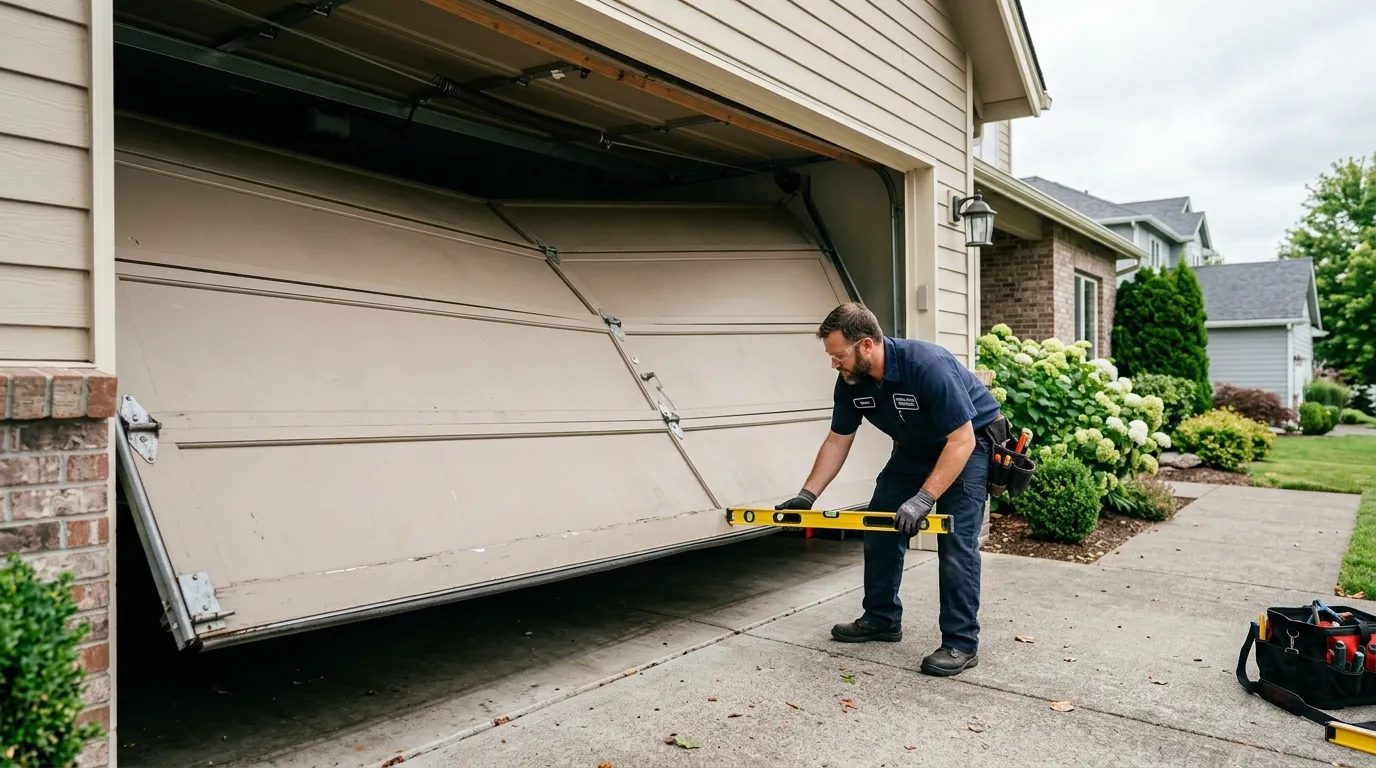
You'll usually hear it before you see it: a grinding or rattling sound as the door travels, worse at the top or bottom of the run where the roller sees the most side load. Some doors start jumping slightly in the track, a visible hop rather than a smooth glide. Others get quiet failures - the door just gets harder to open by hand, because a seized roller is dragging instead of rolling. If you see a roller that's cracked, flat on one side, or missing its bearing cover, don't run the door again until it's looked at; a roller that comes off the stem mid-cycle can drop the section it was carrying. One honest limitation: if the noise is coming from the opener's drive gear rather than the rollers, replacing rollers won't fix it, and we'll tell you that on-site rather than swap parts that don't need swapping.
How it works
From “it’s stuck” to “it’s fixed”
A quick, honest process - no guesswork and no surprises.
1
Tell us what’s wrong
Describe the symptom - won’t open, loud bang, opener runs but the door won’t move.
2
On-site diagnosis
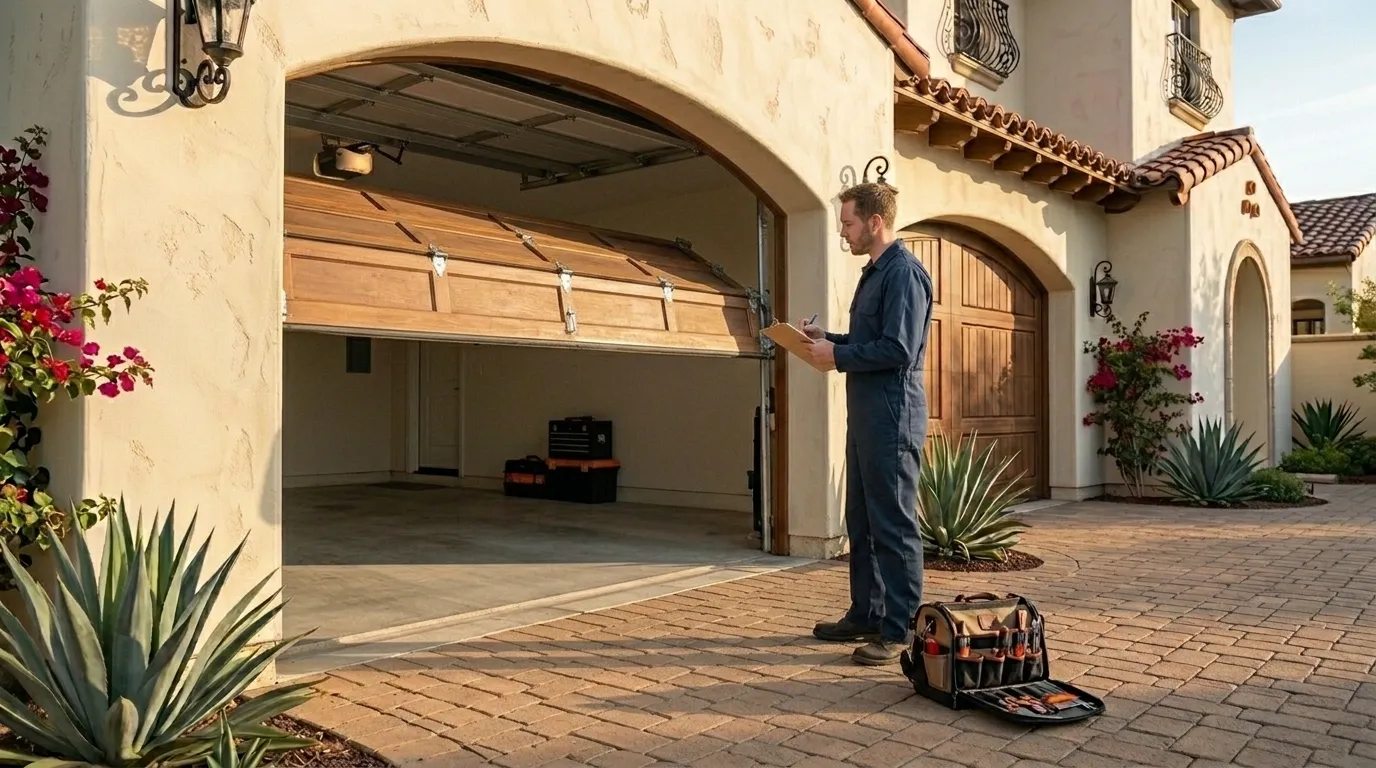
A technician tests the door under power and by hand and finds what actually failed.
3
Clear, up-front plan
You get the fix that’s needed and what drives the cost - before any work starts.
4
Repaired & tested
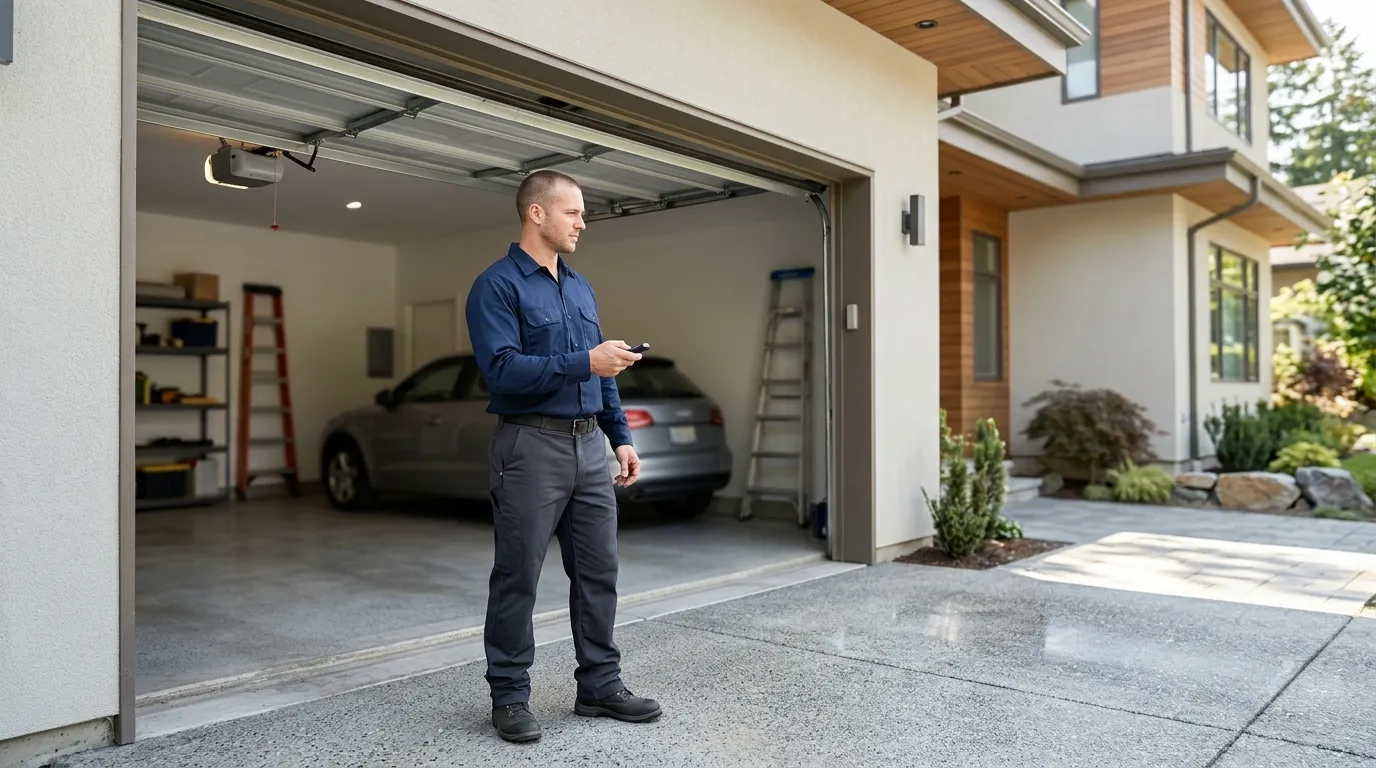
The repair is done, the door is set true and tested, and the work area left clean.
Serving Payson, AZ - tell us what your door’s doing and we’ll take it from there.
Most single doors run eight rollers, doubles run ten, split across the panel hinges. We replace them as a full set on most jobs since rollers wear at close to the same rate - mixing a few new ones into a set of old, grooved ones just means the new ones wear out early and unevenly.
Can I replace rollers myself?
You can on some setups, but the door has to be safely supported and spring tension managed while the track is open, since a roller sits right at the hinge point that takes the door's full weight. We'd rather answer questions before you start than fix a dropped section after.
Will new rollers fix a noisy door on their own?
Often yes, if the noise is roller-and-track wear from age. If the noise is coming from the opener's gears, a bent panel, or a dry hinge pin, new rollers alone won't quiet it down - we check the whole run before quoting so you're not paying to solve the wrong part.
Why do rollers fail more in cold weather here?
Steel rollers and steel track expand and contract at different rates as temperatures swing through freeze-thaw cycles typical of this area's cold-moderate climate. Over years that changes the fit between roller and rail, which shows up as looseness, grinding, and eventually a roller jumping the track.