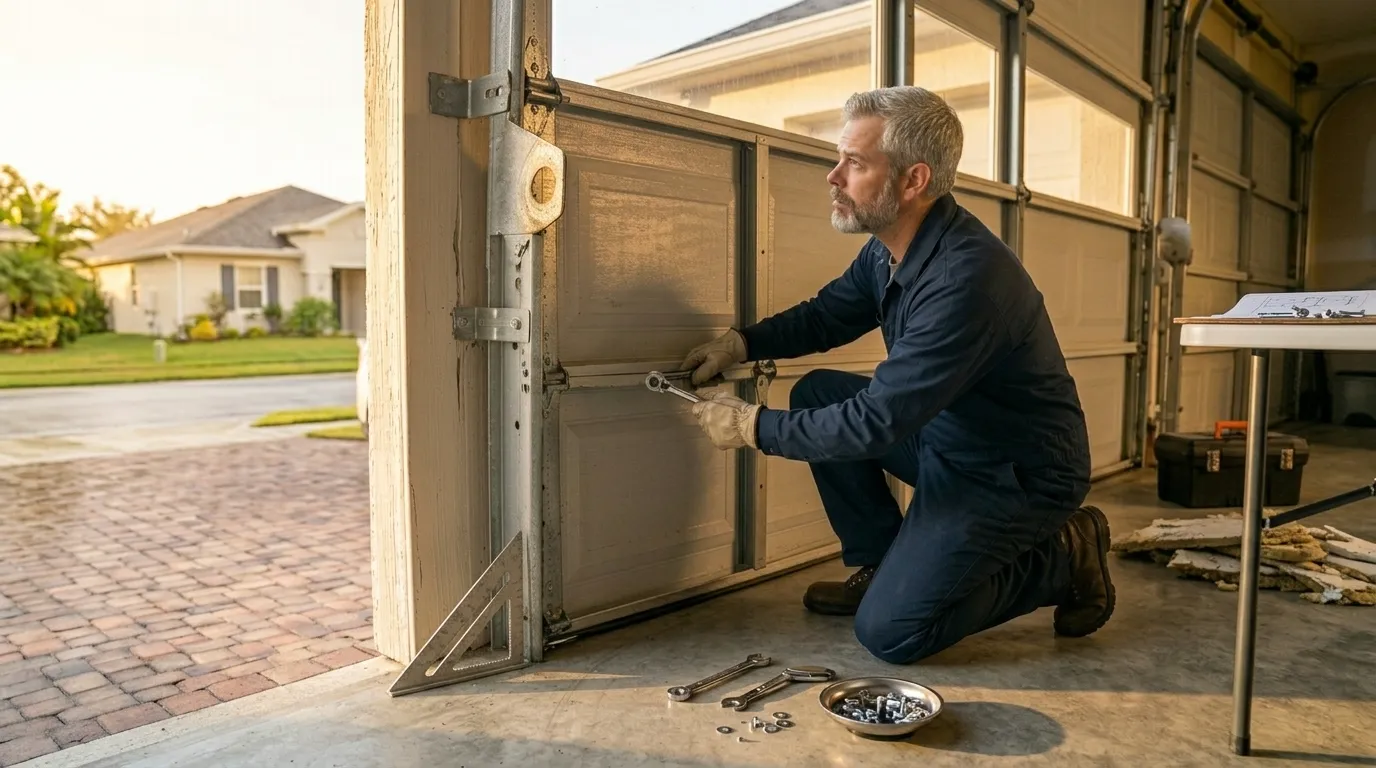
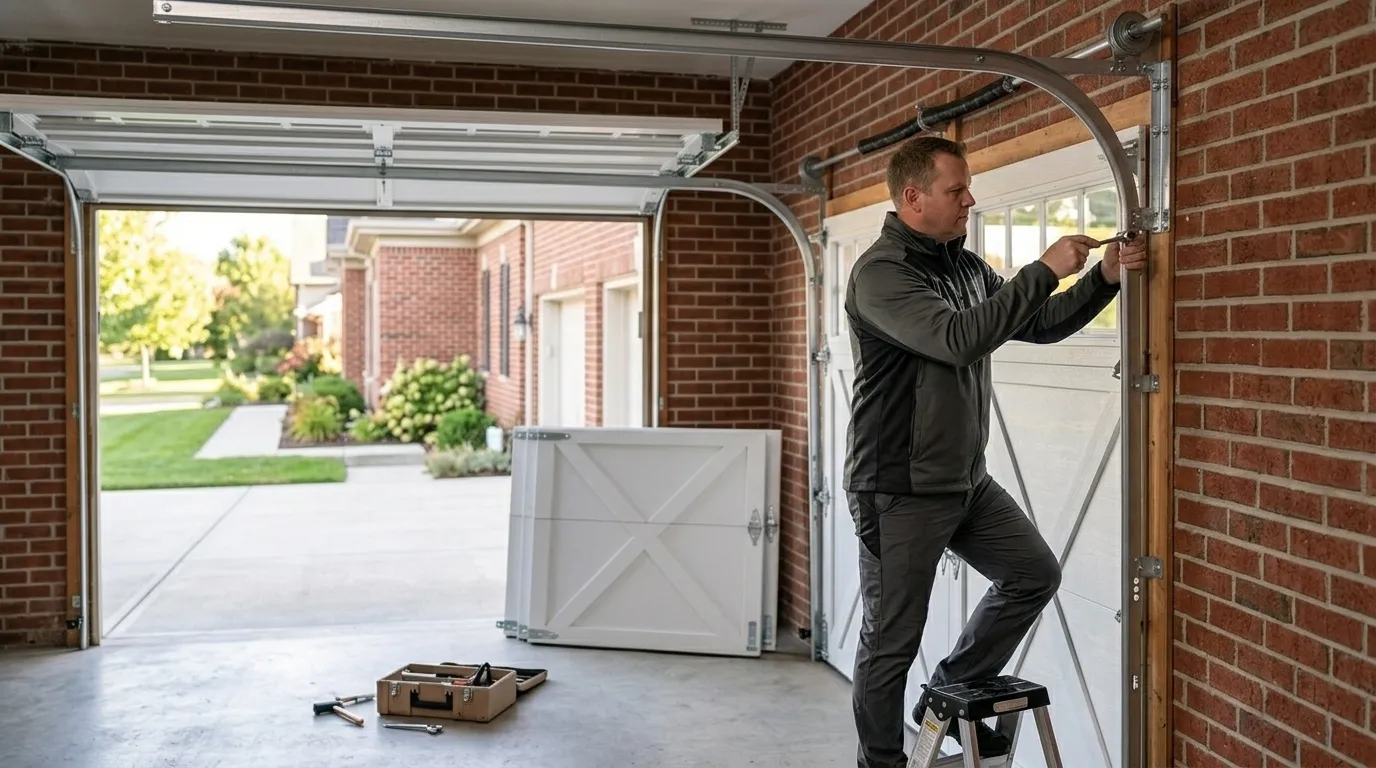
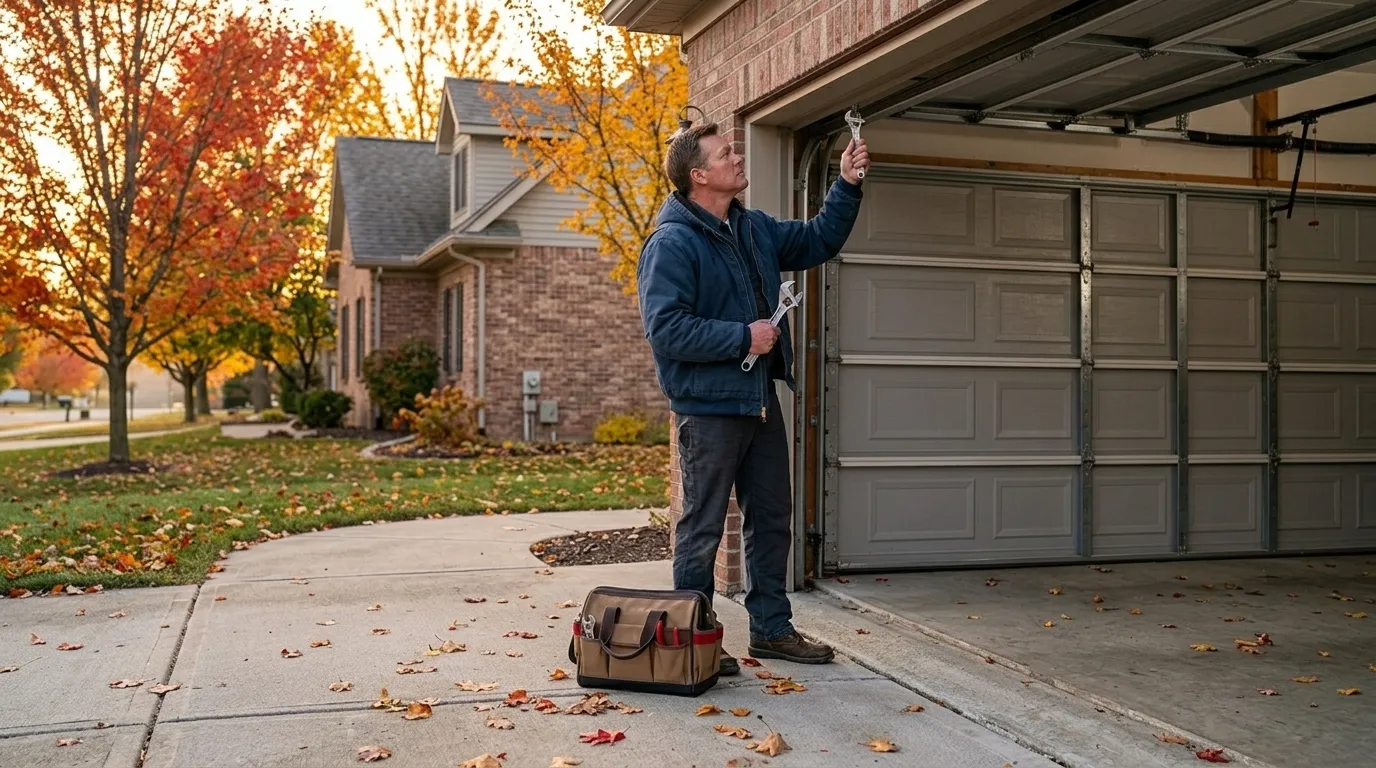
Strawberry sits 15 miles out from our shop in Payson, and the calls we get from here skew older than most of the rest of our coverage area. The typical house went up around 1979, which puts a good number of doors here at or past the point where original torsion springs, rollers, and openers are due for replacement rather than another patch job. We see more spring breaks and worn rollers out this way than opener control board issues, simply because the hardware is old enough that it's mechanical wear, not electronics, doing the failing. That's different from what we run into on newer streets closer to Payson, where doors are still mostly running original openers from the 90s. Out here, if it's original equipment, it's had four more decades of cycles on it.
We also see a fair number of single-car doors and narrower openings, consistent with homes built before double-wide garages became standard. If your door is original to the house, plan on us talking about full hardware replacement more than a quick fix - by this age, patching one part often just moves the next failure a few months down the road.
When We Can Get There
We don't keep a truck stationed in Strawberry - we run out of Payson, 15 miles away. That means we're not going to promise a same-hour arrival the way a shop physically in town could. What we can do is plan the trip around the job: if you need a spring replaced, we bring spring stock sized for older torsion systems since that's most of what we find out here. If parts have to be special-ordered for a less common opener model, we'll tell you that up front rather than have you wait on a truck that's still waiting on a part.
The honest limitation: if you need something the same afternoon and it's outside our normal route day, we may not be the fastest option. We'd rather say that than show up and rush a job on old hardware that deserves a careful look.
The Houses Here
With a median build year of 1979 and 449 households, Strawberry's housing stock predates the bulk of what we service closer to Payson, where the wider area's median build year runs closer to 1984 across the three main neighborhoods there. That six-year gap doesn't sound like much until you're standing in front of the door - it's the difference between a spring system engineers were still adjusting industry-wide and the more standardized double-torsion setups that came after. Household income here runs lower too, at $45,703 median compared to $61,964 across the broader service area, and we factor that into how we talk about repair versus replace: we're not going to push a full door swap on someone when the existing hardware still has service life in it.
Strawberry sits in the same cold, moderate climate band as the rest of our coverage - freeze-thaw cycles that work springs and hardened lubricant harder than a mild climate would, on top of hardware that's already older.
How That Shows Up in the Door
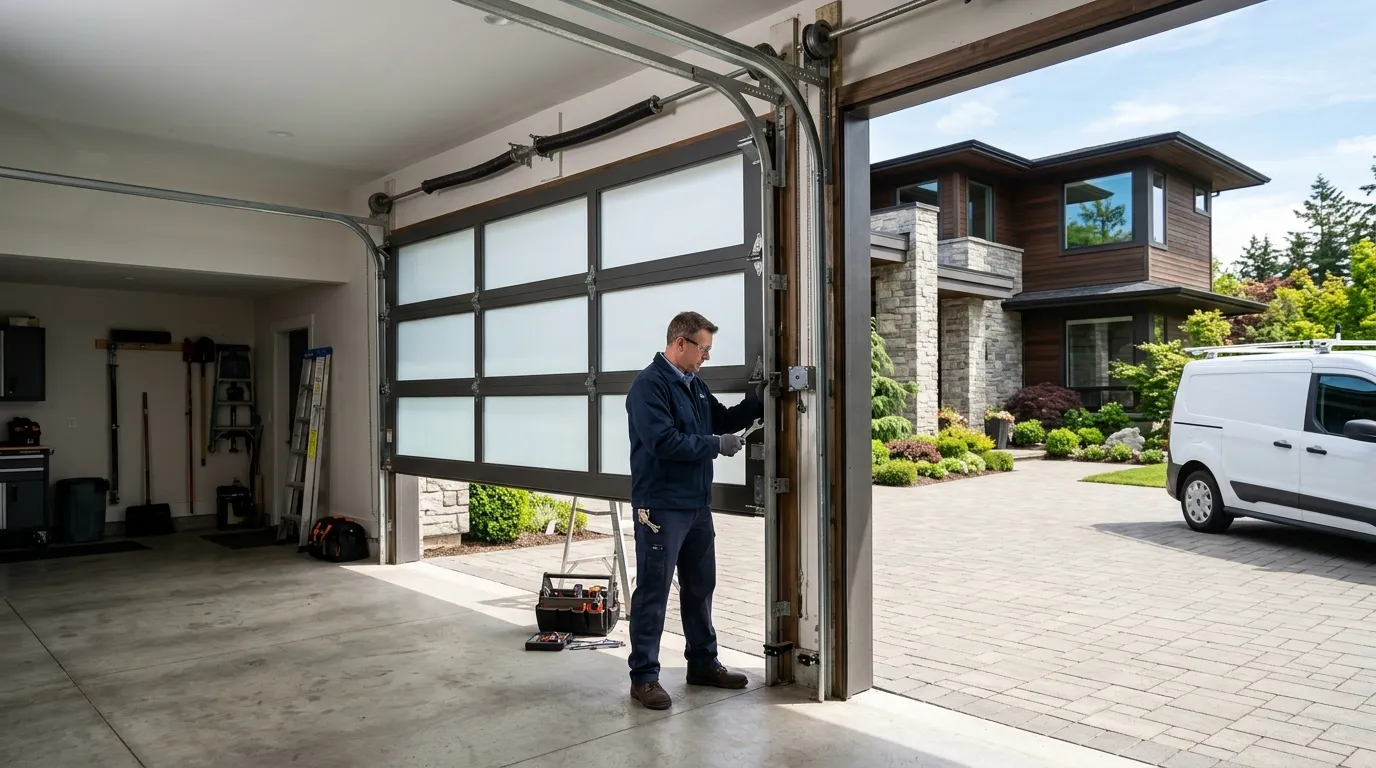
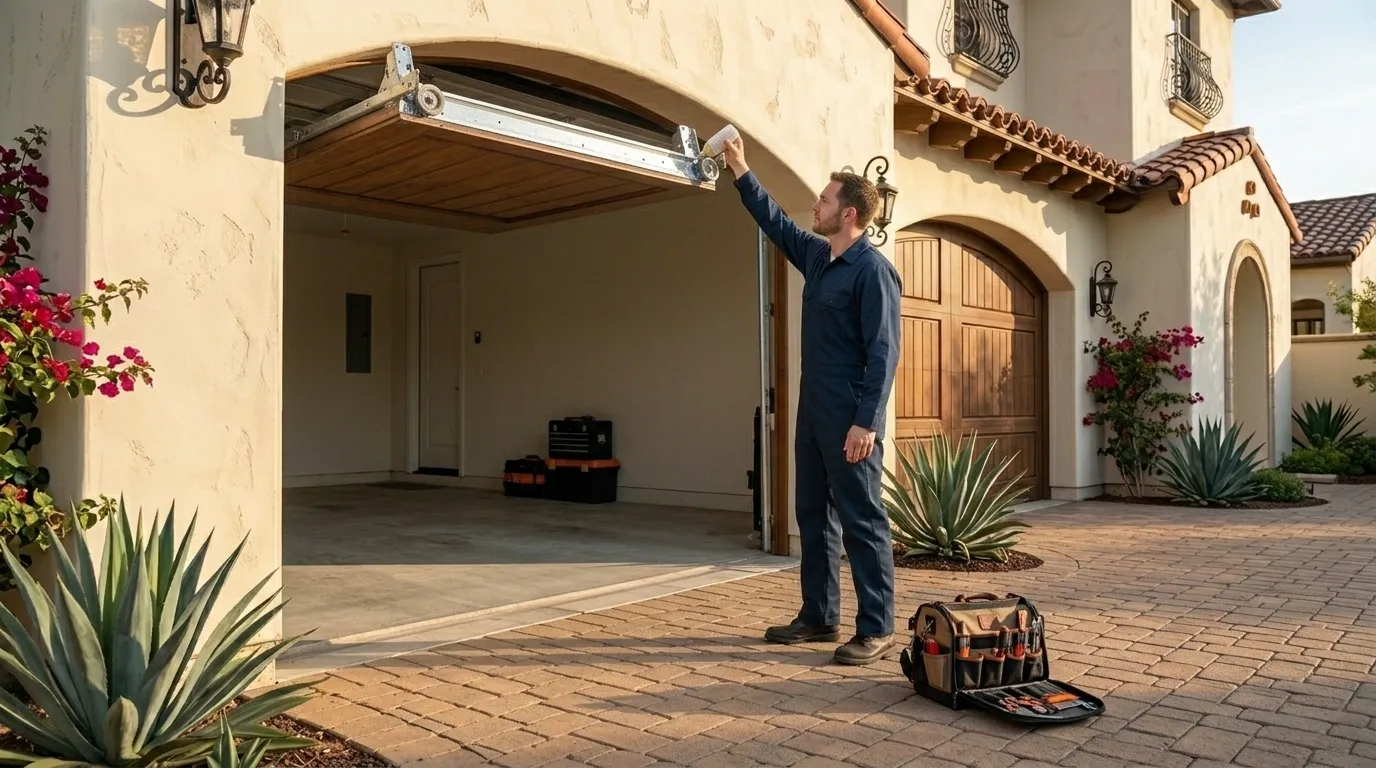
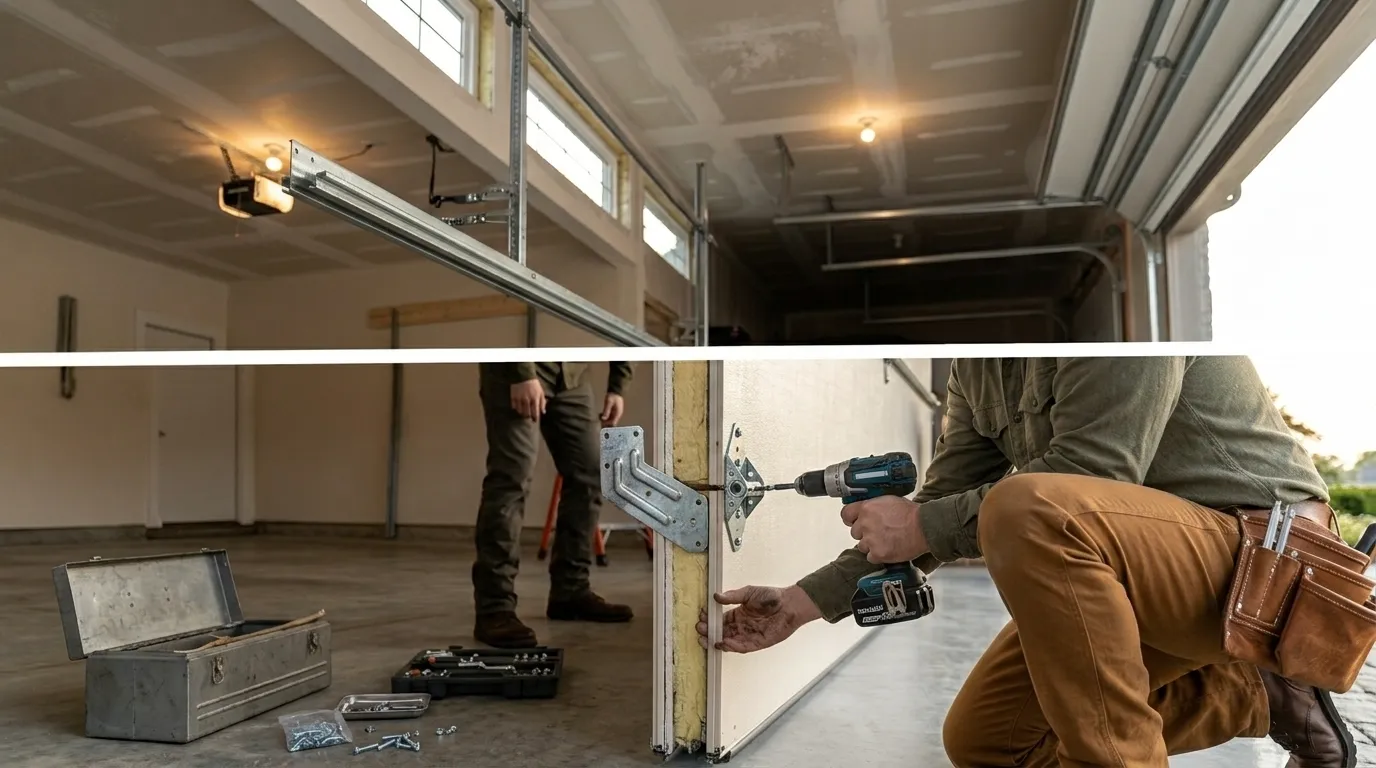
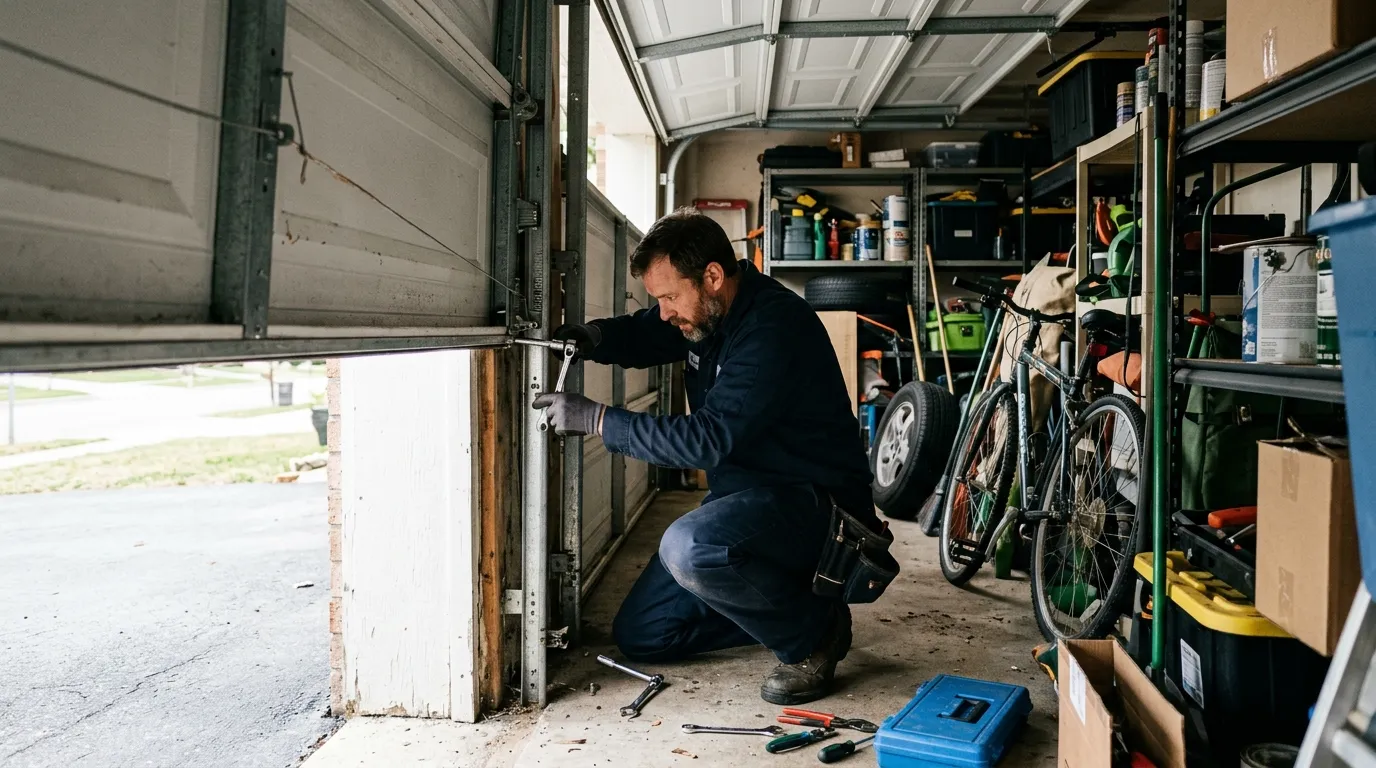
On a door built in the late 1970s, the failure point is almost always the torsion spring or the roller track, not the opener. Springs from that era were often sized differently than what's sold today, so a like-for-like swap isn't always straightforward - we measure the wire size and wind before ordering rather than guessing. Rollers on original hardware tend to be steel rather than the nylon common now, which means more noise and more wear on the track itself over time.
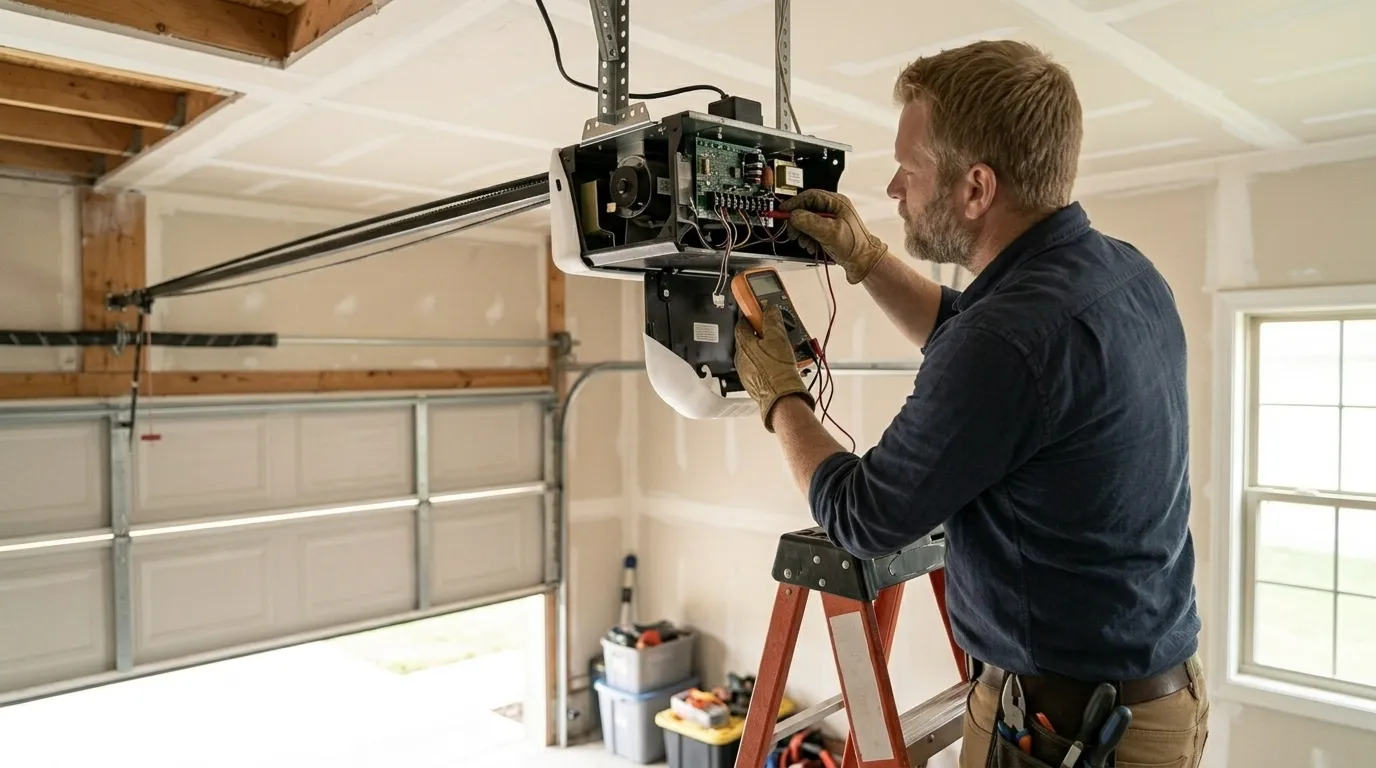
If your opener is original too, expect it to be a chain-drive unit without modern safety sensors as standard - something we flag when we're out for a repair, even if that's not the reason for the call. We'll tell you what we find, but we won't sell you a safety upgrade you didn't ask about without explaining why it matters first. Learn more about our approach.
How it works
From “it’s stuck” to “it’s fixed”
A quick, honest process - no guesswork and no surprises.
1
Tell us what’s wrong
Describe the symptom - won’t open, loud bang, opener runs but the door won’t move.
2
On-site diagnosis
A technician tests the door under power and by hand and finds what actually failed.
3
Clear, up-front plan
You get the fix that’s needed and what drives the cost - before any work starts.
4
Repaired & tested
The repair is done, the door is set true and tested, and the work area left clean.
Serving Payson, AZ - tell us what your door’s doing and we’ll take it from there.
Why does my garage door feel older than my neighbor's in Payson?
Because it probably is. Strawberry's homes run a median build year of 1979, about six years ahead of the wider service area's 1984 median. Older doors mean original torsion springs and steel rollers that have had more decades of wear, which is why spring and roller calls come up more often out here.
Do you have a truck based in Strawberry?
No. We run out of Payson, about 15 miles away, and Strawberry is part of our regular coverage from there. We don't promise the same-hour arrival a locally based shop might, but we do stock spring sizes common to older torsion systems before we head out.
Is it worth replacing an original 1979 door instead of repairing it?
Sometimes, sometimes not. It depends on what's actually failed and what shape the track and jamb are in. We'll tell you honestly if a repair still has service life left rather than pushing a full replacement you don't need yet.