What You Pay
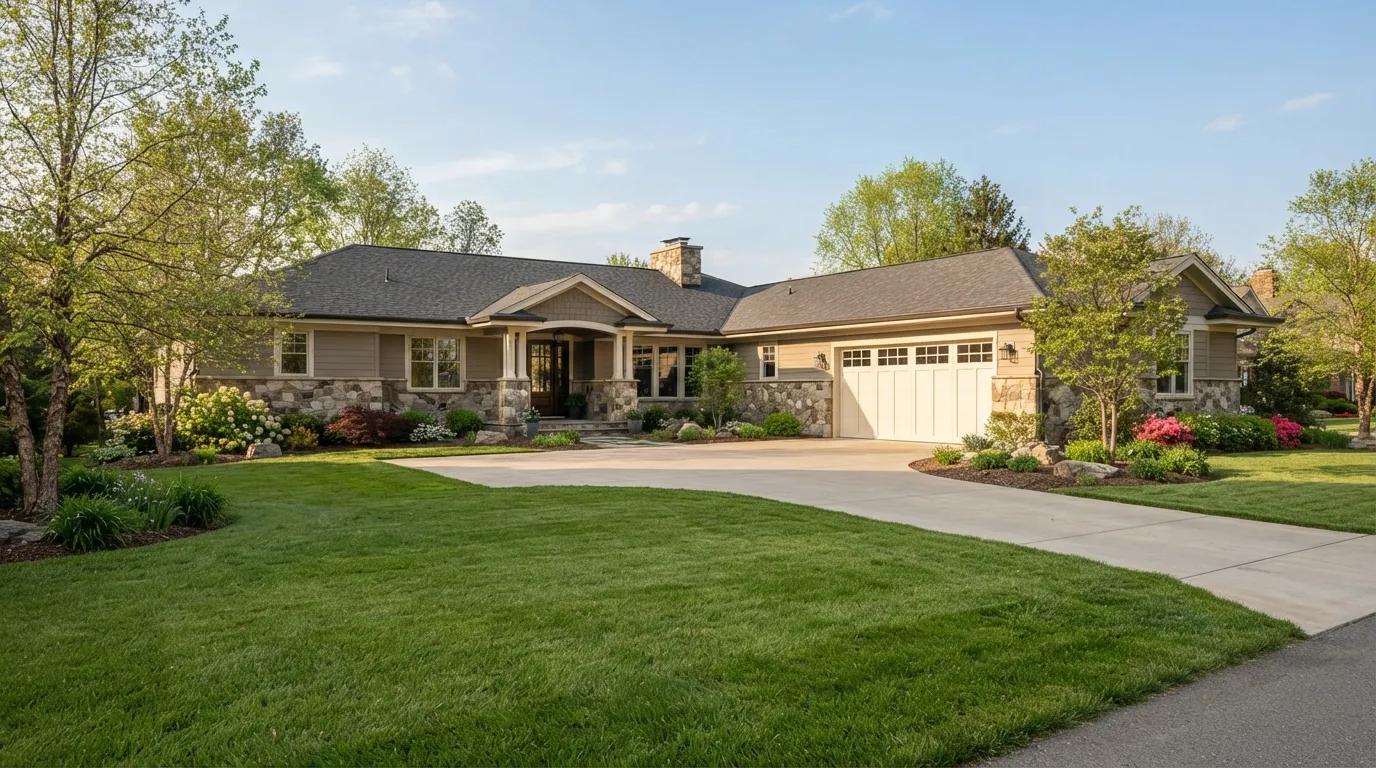
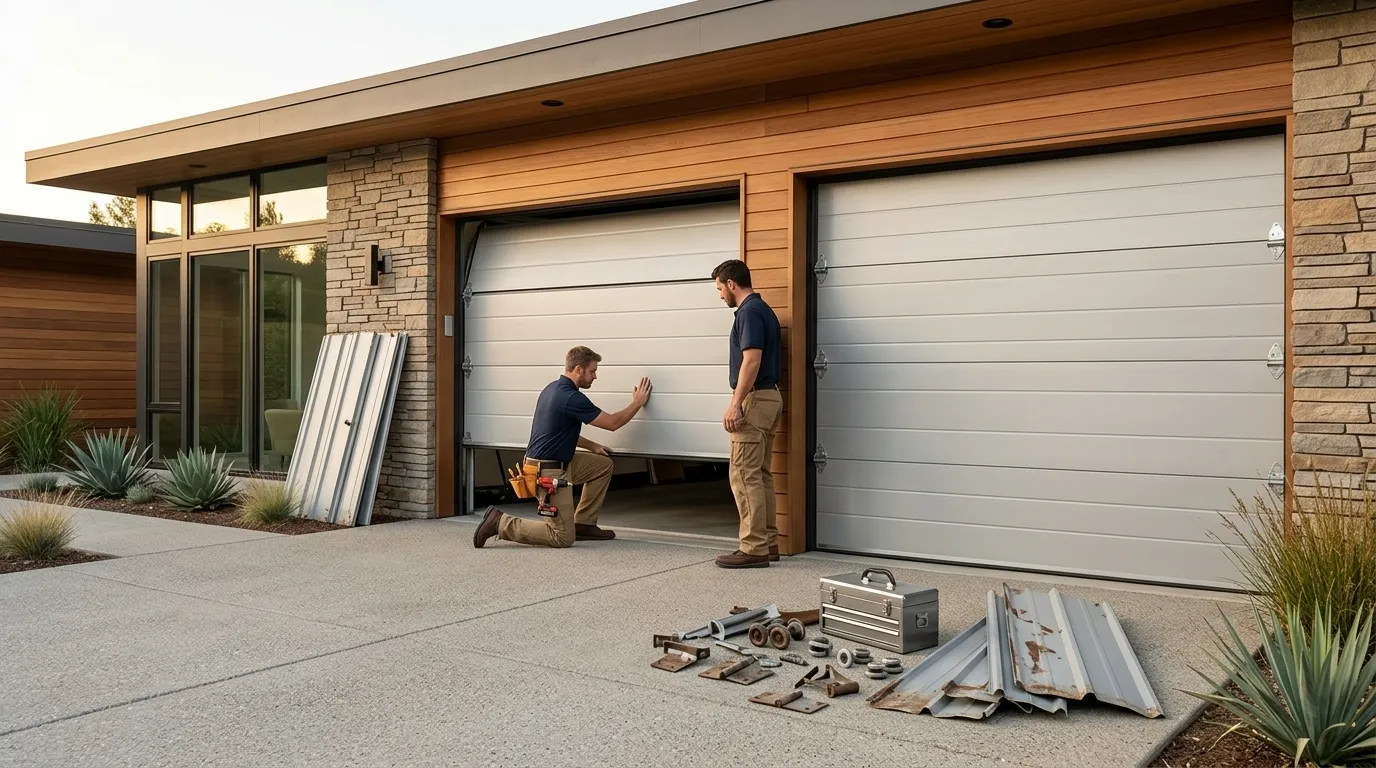
Pine sits at a median household income of $61,964, and most of the housing stock here dates to the 1980s and 90s - plain single or double garages, no oversized openings, no stone-clad carriage doors. That keeps the typical new install closer to a standard replacement than a custom job: a 16x7 double or two 9x7 singles, steel or steel-with-insulation, on the original opening size. We don't have a set price to quote you here - every job depends on door size, insulation level, and whether the opener gets replaced too - but we'll give you a number before anything gets ordered, not after the truck shows up.
The Symptom
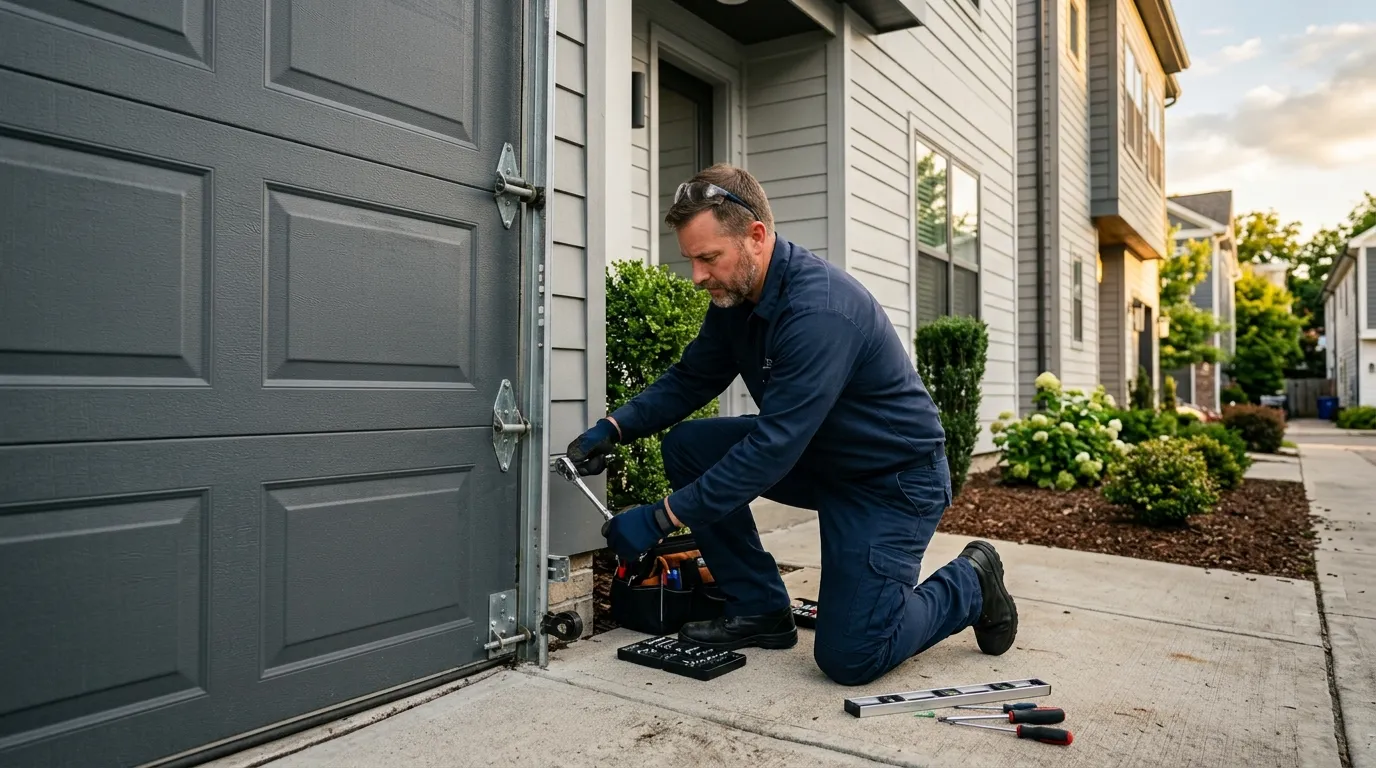
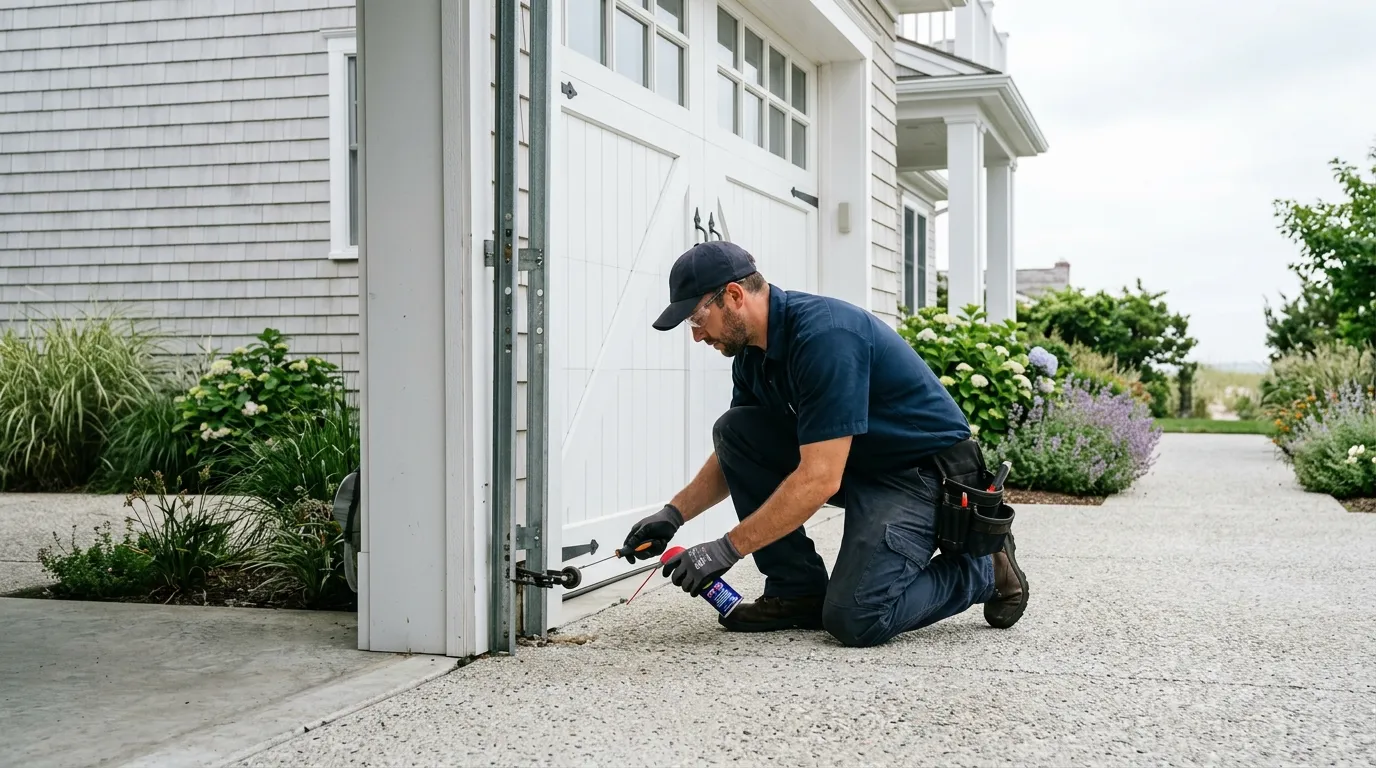
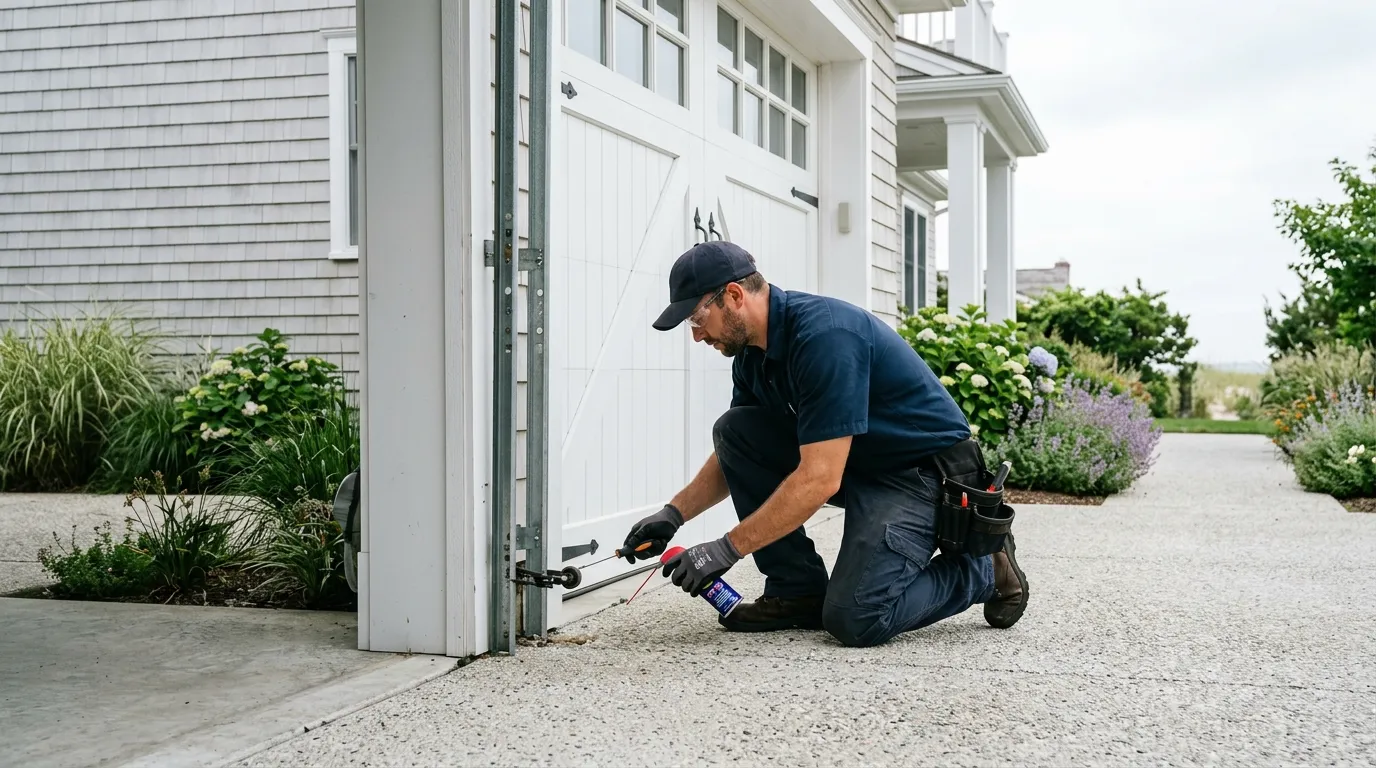
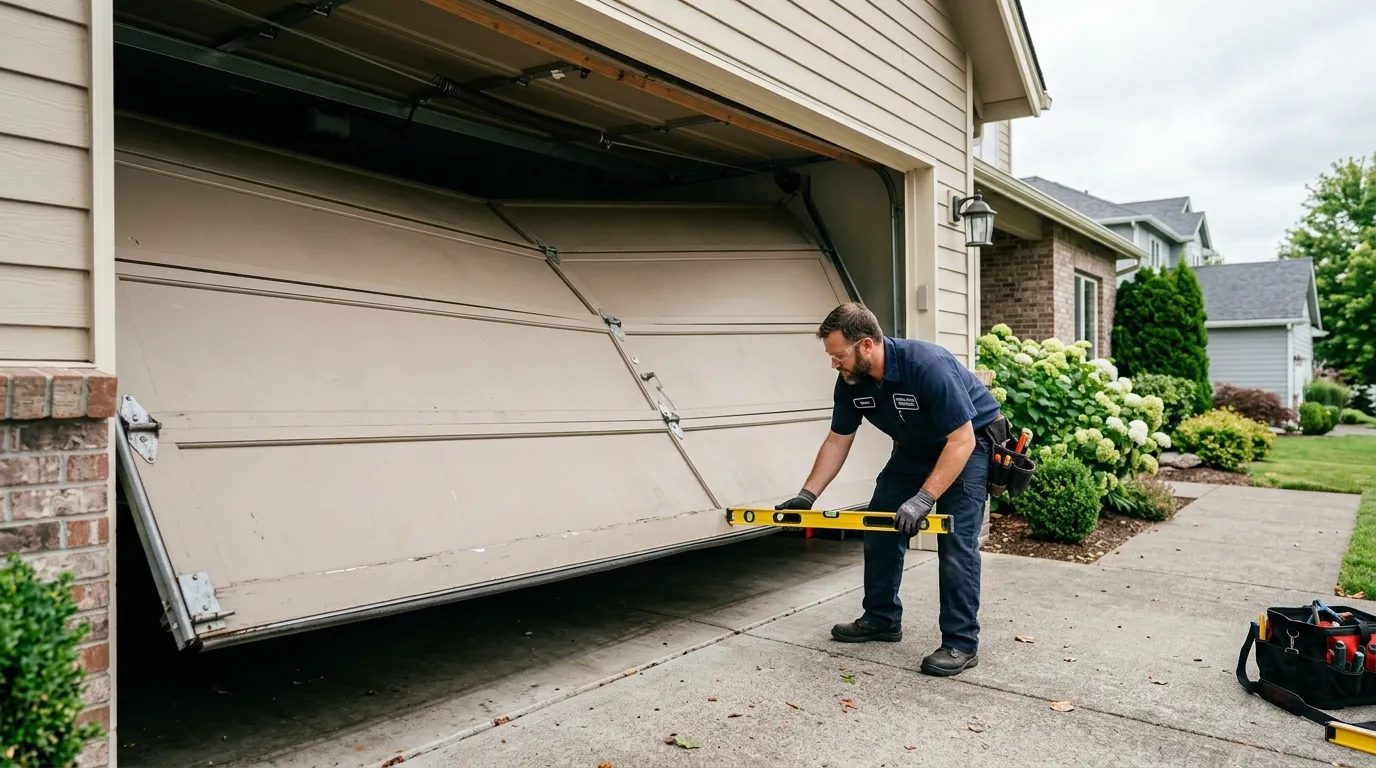
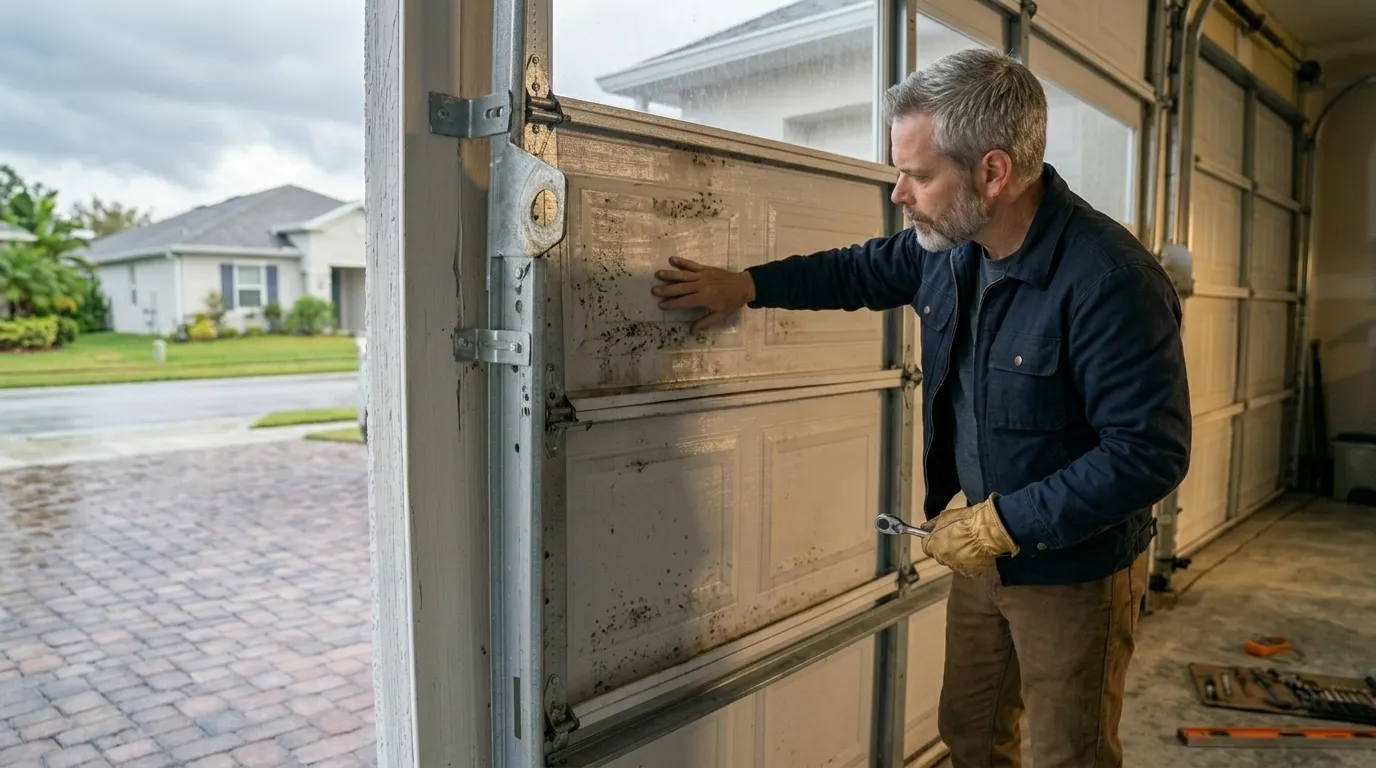
The call we get from this area is rarely 'my door won't open.' It's usually a door that still works but has started sagging at the bottom panel, or a torsion spring that's stretched past its rated cycles - expected on hardware installed when the house went up around 1984. Cold mornings make it worse: moderate cold-climate swings here mean grease stiffens overnight and a spring already near the end of its life takes a rough first pull. Homeowners often try to nurse it along with lubricant, which buys a few weeks, not a few years. Once the door itself is original steel from that era, the panels have usually taken enough dents and rust at the bottom seal that patching isn't the better bet - replacement is.
The Complications
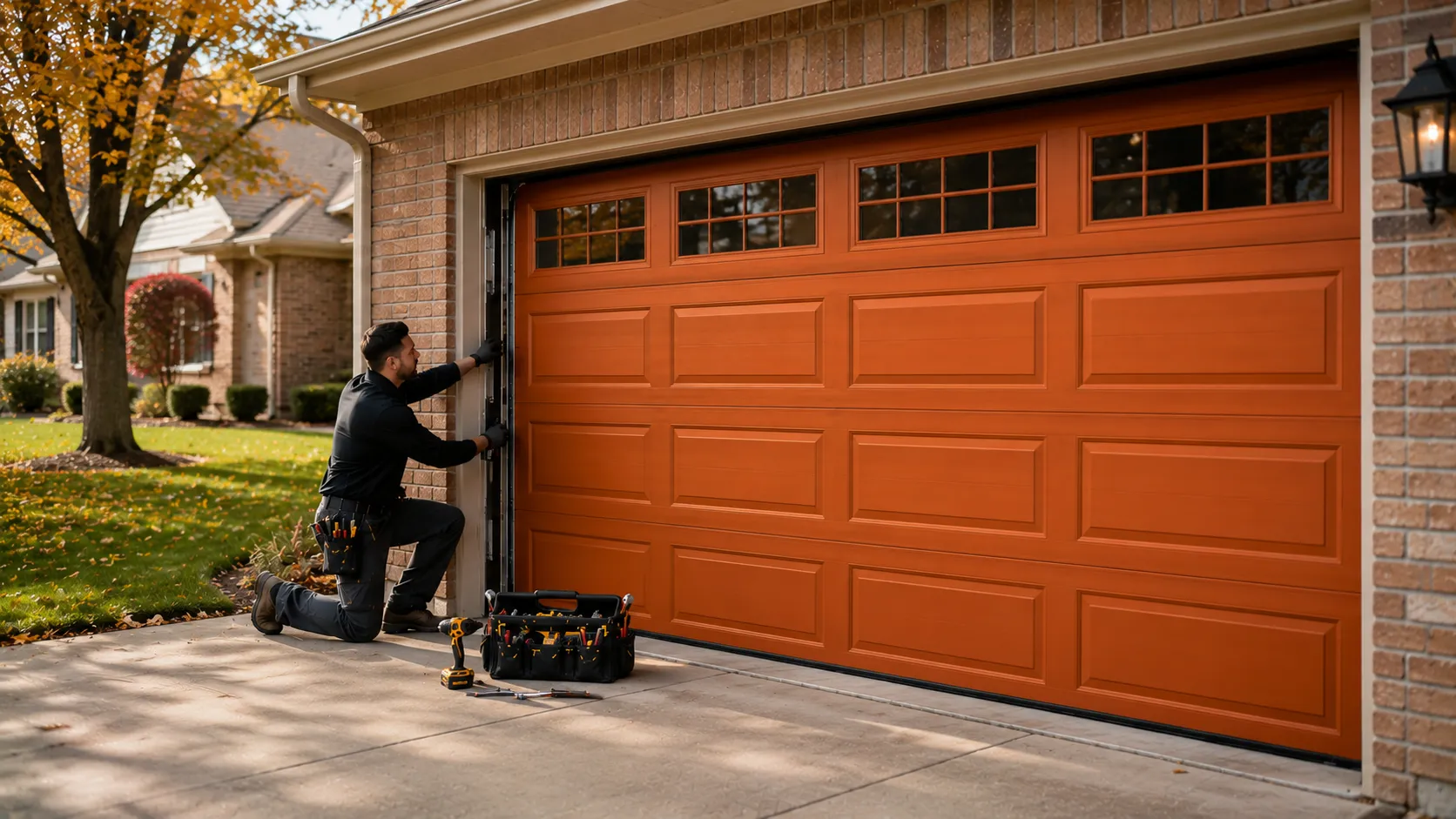
The drive from Payson is about 12 miles, which is short enough that a second trip for a missed part isn't a disaster, but it does mean we plan the load before we leave rather than improvise on site. The complication that actually shows up on these jobs is header clearance: houses from this era were framed for a lighter single-layer door, and an insulated replacement is thicker. On some openings that means shimming the track or trimming trim boards to get the new door to seat right. We check headroom before quoting the swap, not after the old door's already off the hinges.