How Long It Takes
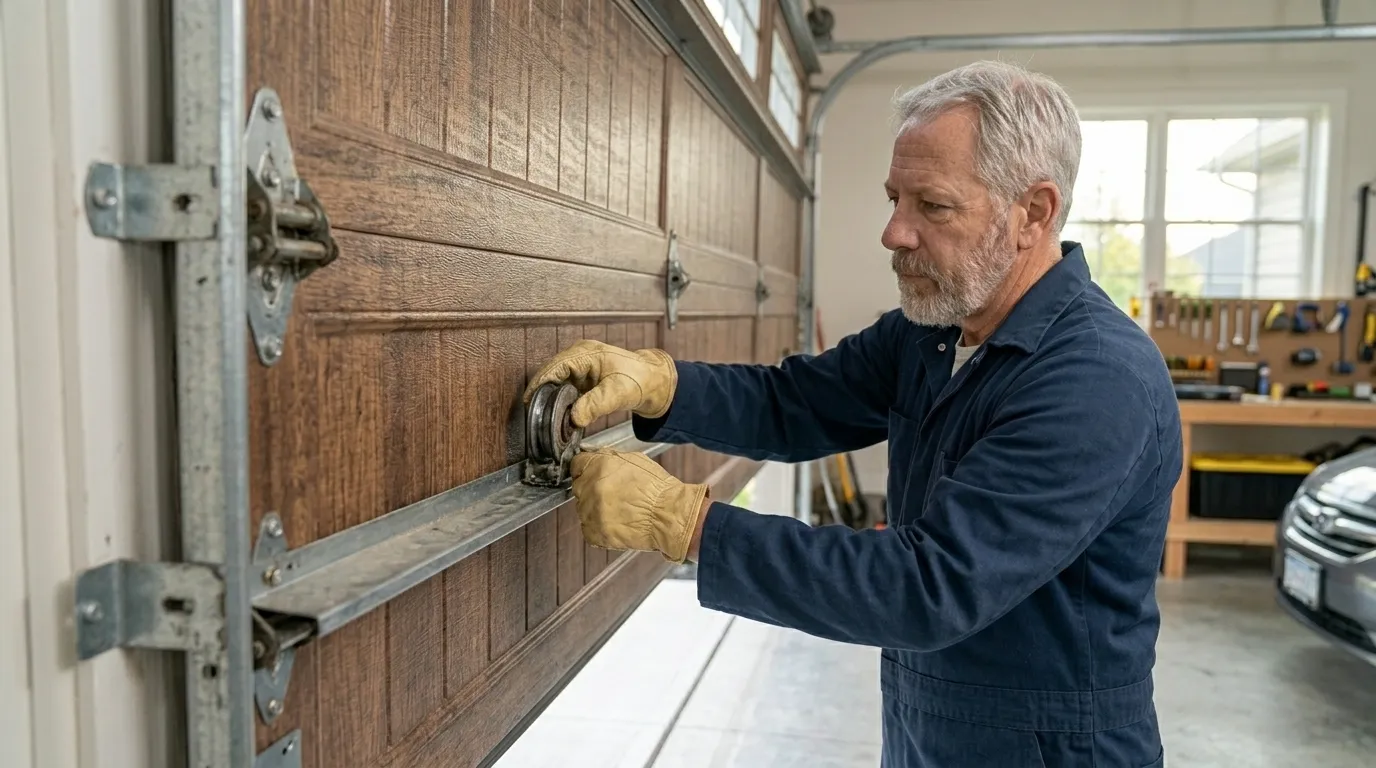
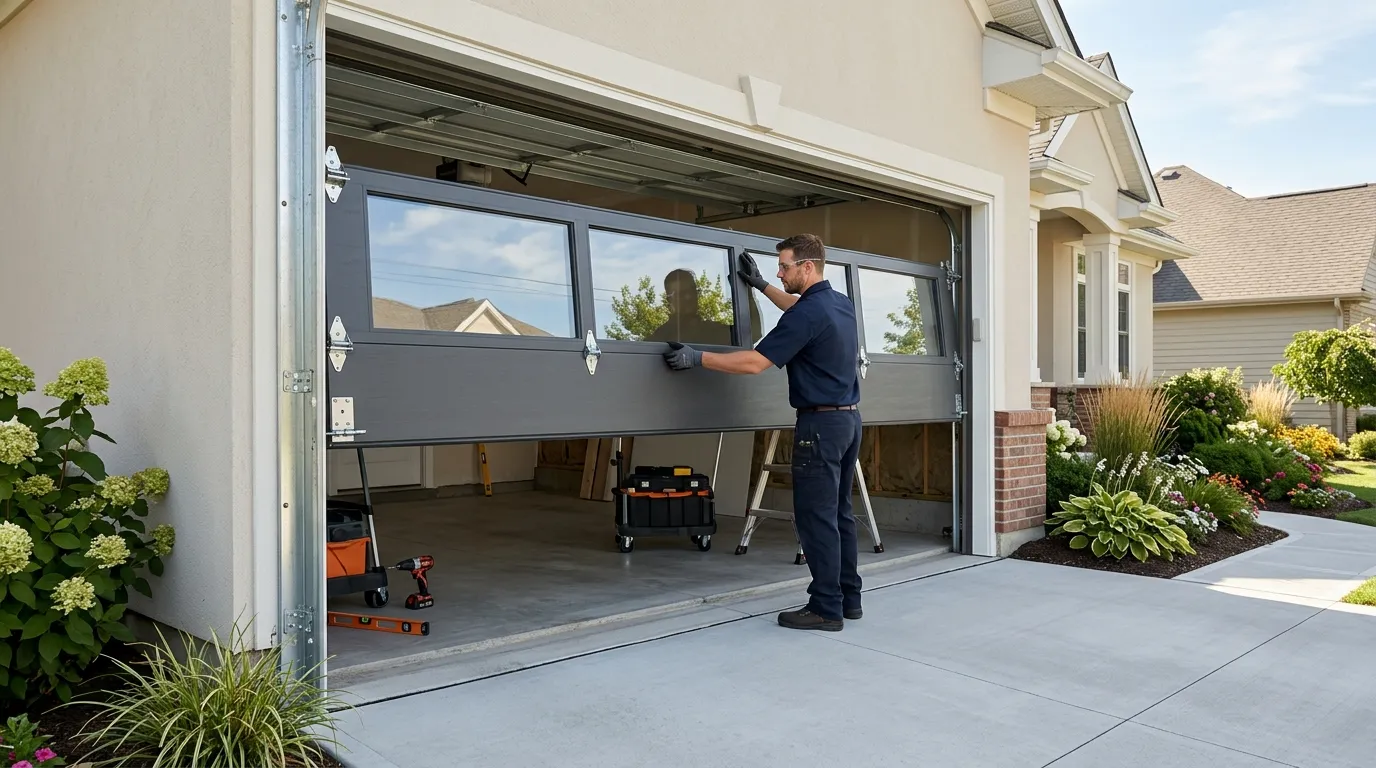
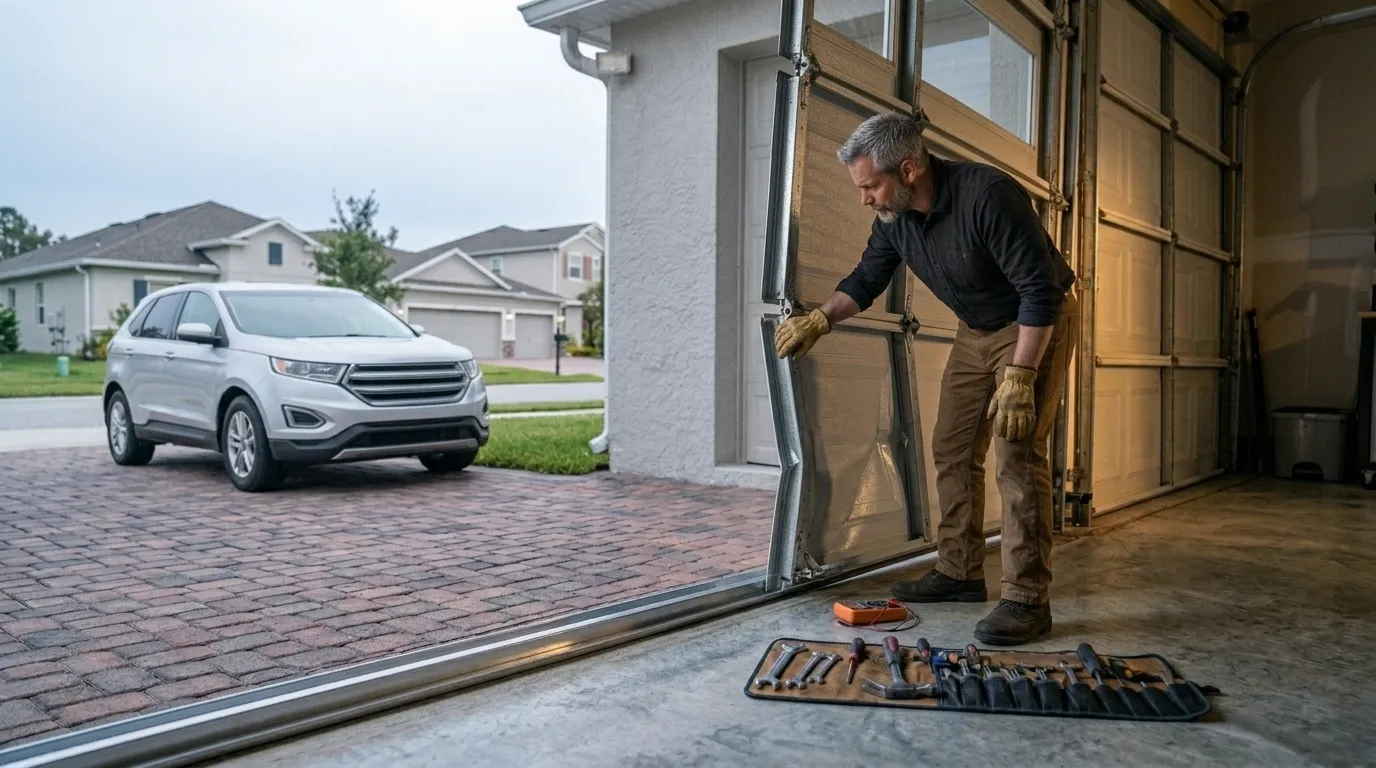
A torsion spring swap, a broken cable, or a worn roller set is usually a same-visit fix once the truck is on-site - the parts for doors from this era are common stock, not the obsolete sizes you sometimes find on older Payson-area builds. Opener boards and circuit issues can take longer if the unit needs a part we don't carry on the truck that day, in which case it's a return trip.
We don't have a stated response-time promise for Star Valley specifically, and we won't pretend otherwise - it's a six-mile run from Payson, close enough that scheduling isn't the obstacle a farther call like Strawberry can be, but we're not a branch located in town. If your door is stuck open or a spring has let go and the door won't move at all, tell us that when you call so it gets prioritized on the route.
What Is on the Truck
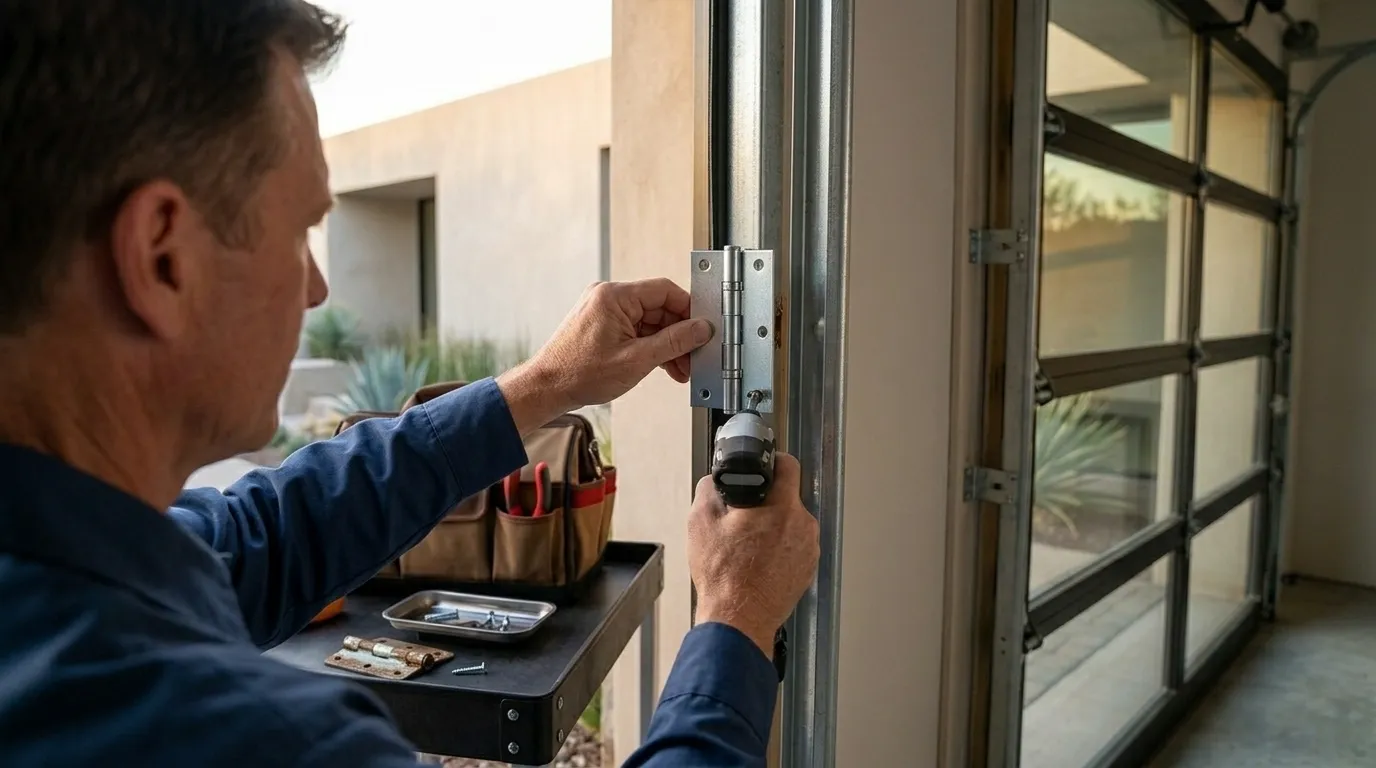
For houses built around 2000, the truck carries standard torsion springs sized for typical residential doors, steel roller assemblies, cables, and the sensor and drive parts that fail most often on openers from that era - drive belts and chains, logic boards for common brands, and safety-eye sensors that get knocked out of alignment or corroded. That covers the majority of Star Valley calls without a parts delay.
What we don't always carry is anything custom - a nonstandard door size, a discontinued opener model, or hardware from a build that doesn't match the 1980s-2000 range typical of this area. If your house is an outlier, we may need to order a part, and we'll tell you that up front rather than guess.
What You Pay
We don't have a Star Valley-specific price list to publish here, and quoting a number without seeing the door would be a guess dressed up as a fact. What we can say is that the income level here - median household income around $66,075 - puts most repairs on newer torsion-spring doors solidly in repair territory rather than replacement territory, unless the door itself is failing structurally.
The honest limitation: if your door is one of the rarer older units in Star Valley, closer to that 1984 area median build year than the local norm, parts can take longer to source and the job costs more simply because the hardware isn't something we stock for a same-day fix.
Why This Fails Locally
With roughly 1,573 households in Star Valley, most of the doors we get called out to are the same torsion-spring, steel-panel setups builders were installing through the 1990s and into 2000, not the older wood-header, extension-spring doors more common elsewhere in the service area. Star Valley sits in the same cold-moderate climate band as the rest of the area we cover, so nights below freezing still stiffen torsion springs and work moisture into steel track over a winter, even without the older hardware.
The failure pattern here tends to be wear rather than age-related material failure: springs that have simply cycled out, rollers worn from daily use, openers reaching the end of a normal service life. That's a different job than what we see on a 1970s door, and it's why diagnosing over the phone from a generic description doesn't work well - the fix depends on which era the door actually came from.