How Long It Takes
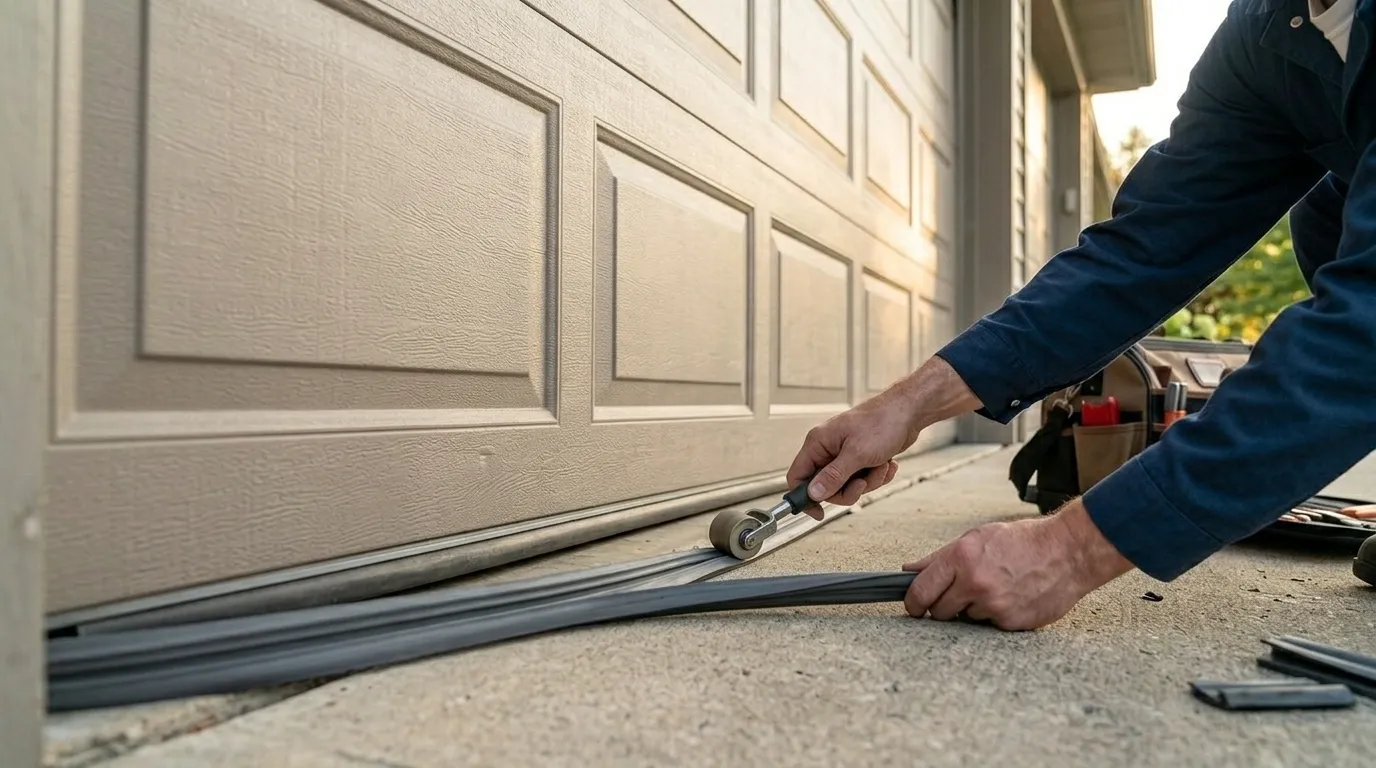
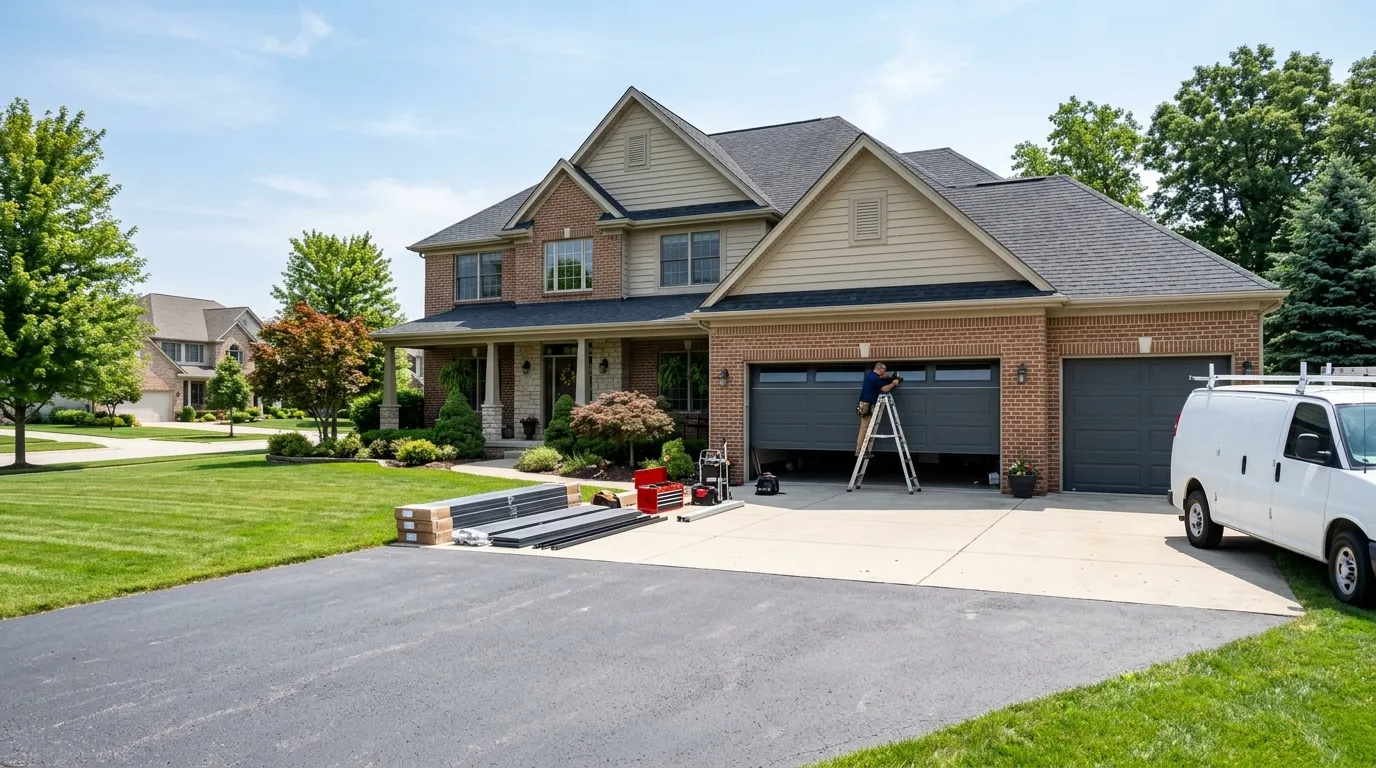
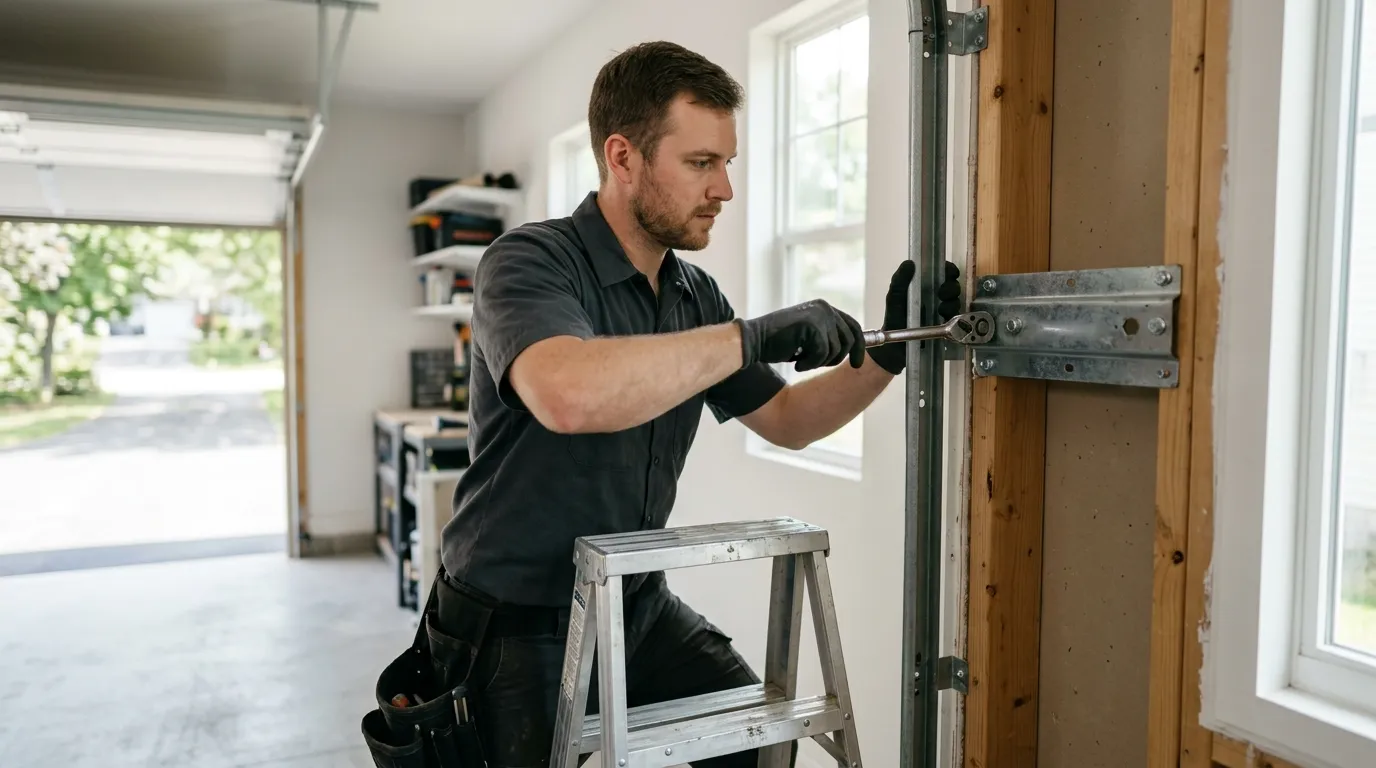
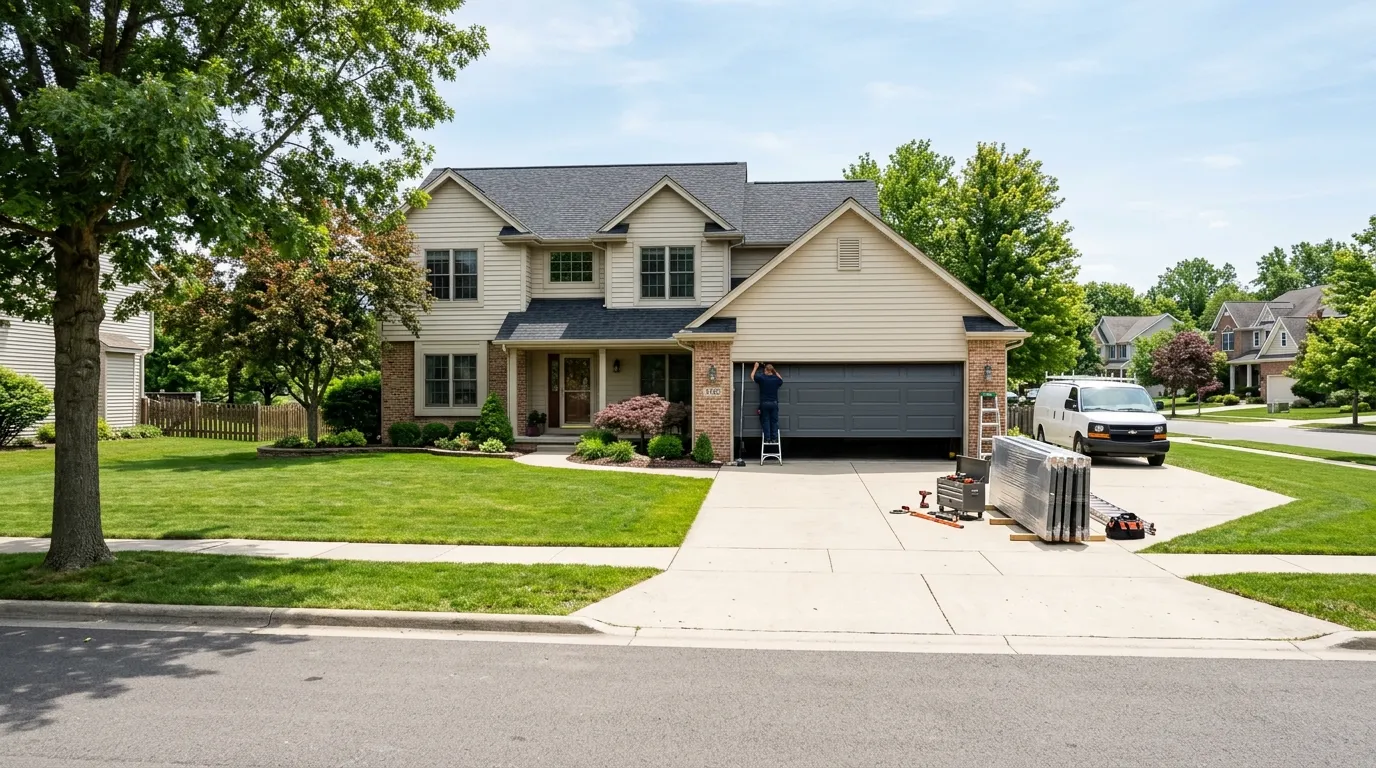
A full set of rollers on a single door, done on-site, usually runs under two hours once the truck is there and the door's been checked over. We're coming from Payson, six miles out, so the drive isn't the bottleneck - the bottleneck is whether the bottom bracket needs new lift cable at the same time, since a cable that's frayed at the bracket will cost you a roller job again in a year if it's ignored now.
We don't quote a fixed response time for Star Valley calls since we're not based here - we're routing from Payson every trip. Some days that means we can slot a roller job in same-day; other days it's next business day. We'll tell you which when you call, not before.
What Is on the Truck
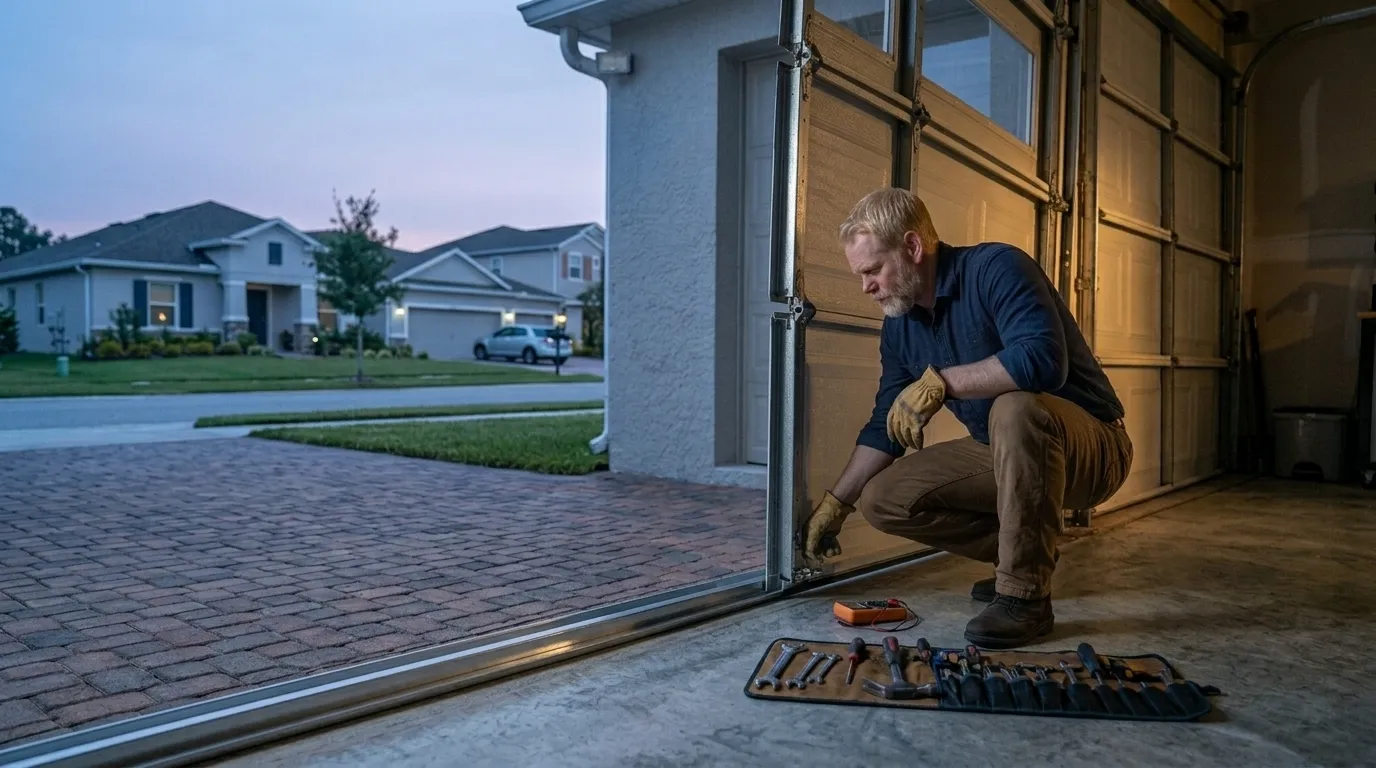
For a door built around 2000, the truck stock that gets used most is 10-ball nylon rollers in the common stem lengths, plus a run of galvanized track sections in case the old track's worn a groove where the roller's been riding rough. We carry both 2-inch and 4-inch radius track since builders in this era didn't all standardize on one.
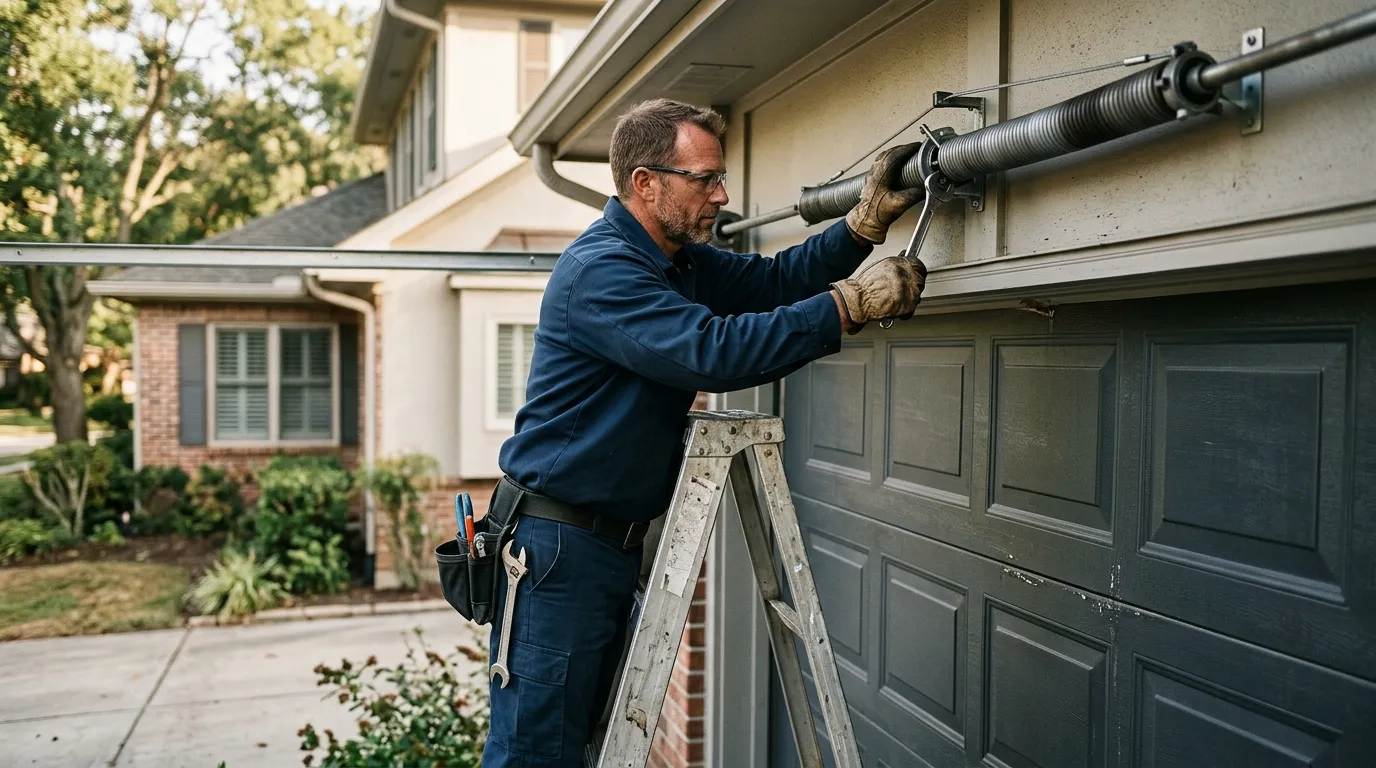
We also carry the extension and torsion spring sizes that show up most often across the service area's 1979-2000 stock, so if a spring's tired at the same time as the rollers, we're not making a second trip for that part. What we don't stock on the truck is anything specialty - custom panel sections, oddball opener boards for a door that's been retrofitted more than once. If your door's had non-standard work done to it before, we may need to order a part and come back.
What You Pay
We don't post a flat number here because roller jobs vary with how many rollers need replacing, whether the track needs attention too, and whether a cable's going at the same time. What we can tell you is that Star Valley's median household income runs a bit above the rest of the service area - around $66,075 against $61,964 for the wider area we cover - which doesn't set our price, but it does mean most jobs here get approved for the full roller set rather than a patch job on just the worst two or three.
Call for a number specific to your door. We'll look at what's actually worn before we quote anything.
Why This Fails Locally
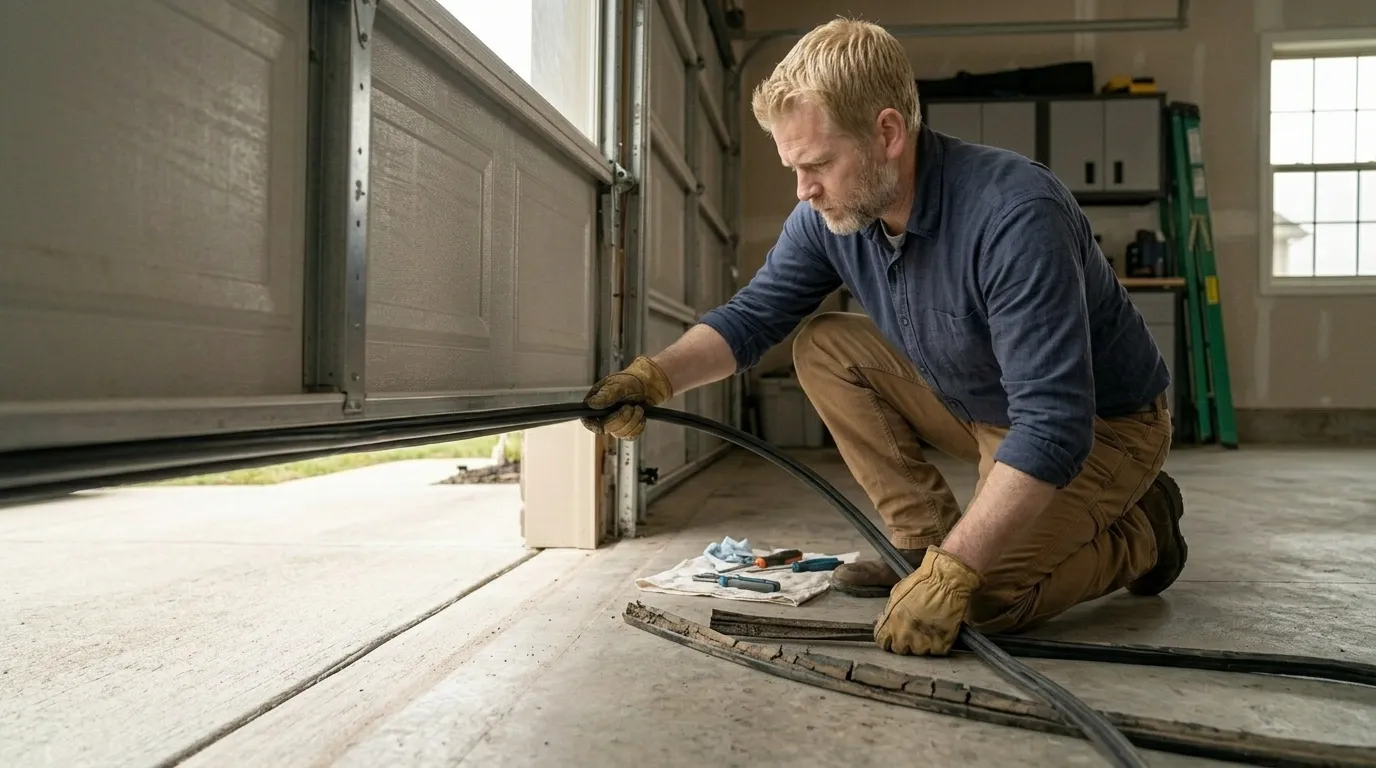
The failure pattern in Star Valley isn't the same as it is in the older parts of the Payson service area. Older stock, closer to that 1979 end of the range, tends to fail because steel rollers rust in their track after years in a cold-winter climate with no lubrication. Star Valley's newer doors, mostly nylon rollers from the 2000-era standard, fail differently: the nylon sleeve wears thin, the roller starts to wobble in the track, and the door gets loud and rough well before anything actually breaks.
The cold moderate climate here still plays a part - temperature swings make nylon more brittle over time than it would be somewhere warmer, and a stiff roller stem cracks instead of just wearing smooth. It's a slower failure than rust-locked steel, but it still ends the same way: a roller that jumps the track and jams the door mid-cycle.