How Long It Takes
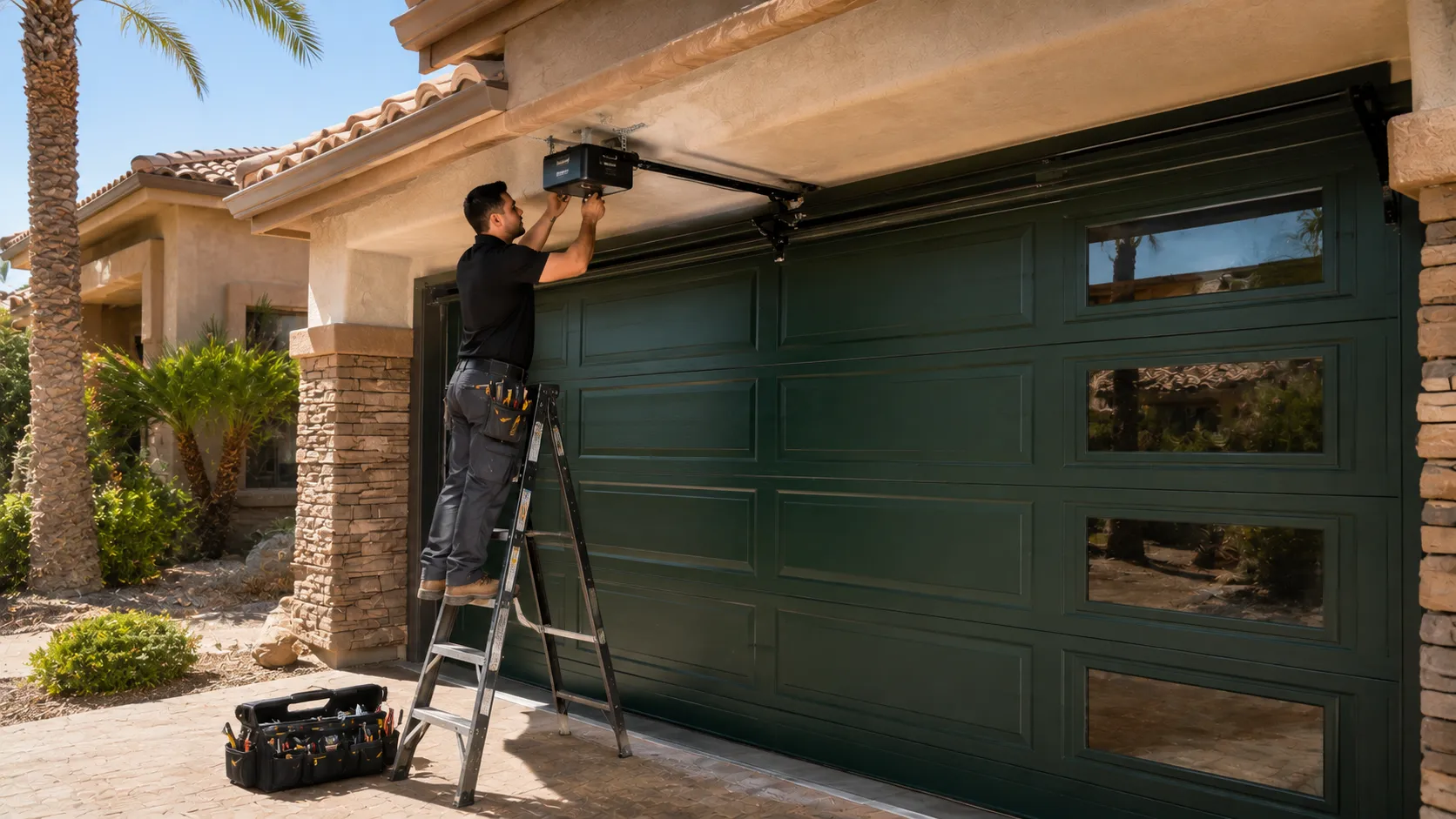
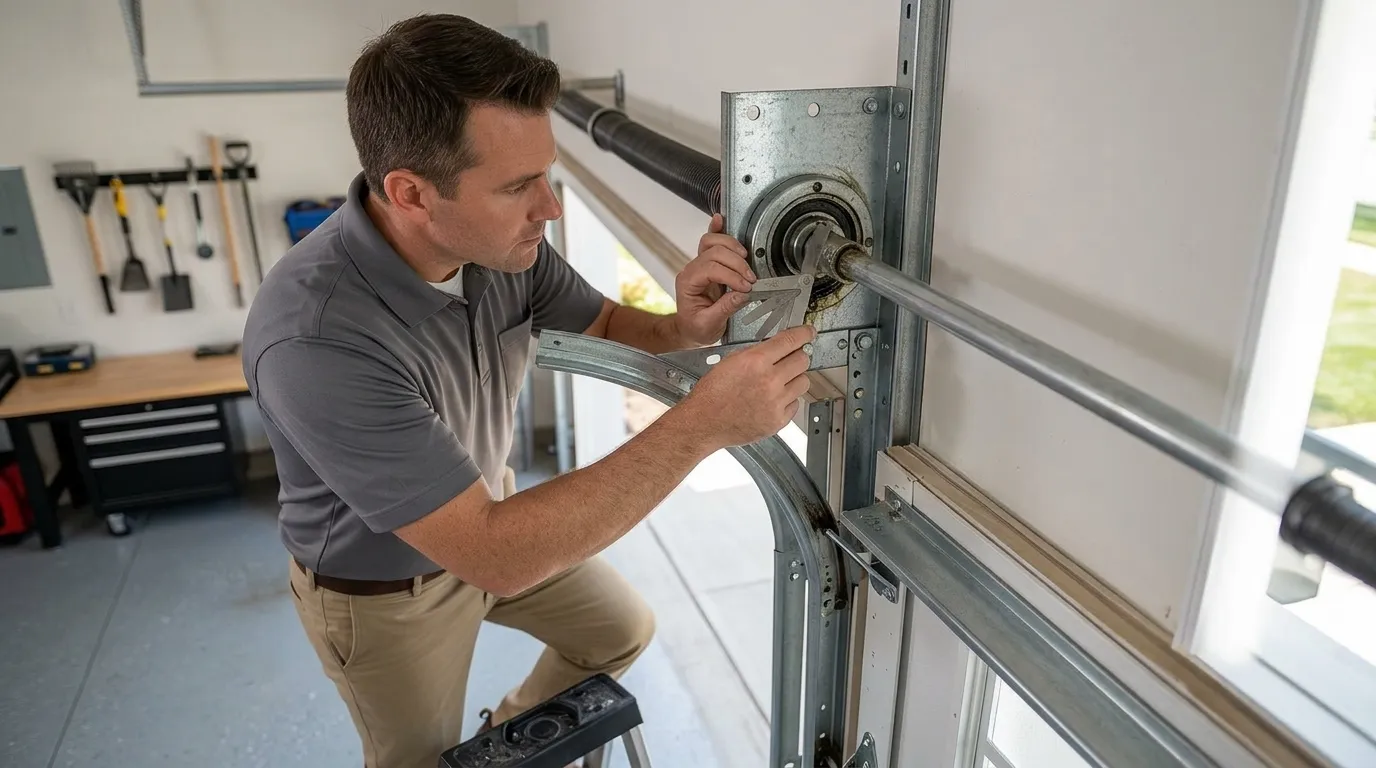
A straight swap - same rail length, same mounting points, no header repair - runs about the same as anywhere in the service area. What changes the clock in Star Valley is what we find behind the old unit once it's down. Houses built around 2000 often still have the original steel header bracket, and after two decades of temperature swing (this is a cold-moderate climate zone, not desert-flat), some of those brackets have loosened or the wood around the lags has dried and shrunk.
If the bracket's solid, we're in and out in one visit. If it's not, we tell you before we start cutting into anything, not after. We'd rather add twenty minutes to check it now than have you calling back in a year because the new opener is racking against a loose mount.
We come out from Payson, about six miles down, so there's no local branch sitting idle waiting on your call - we schedule the visit and bring what the job needs on the truck the first time, based on what you tell us about the door and opener when you book.
What Is on the Truck
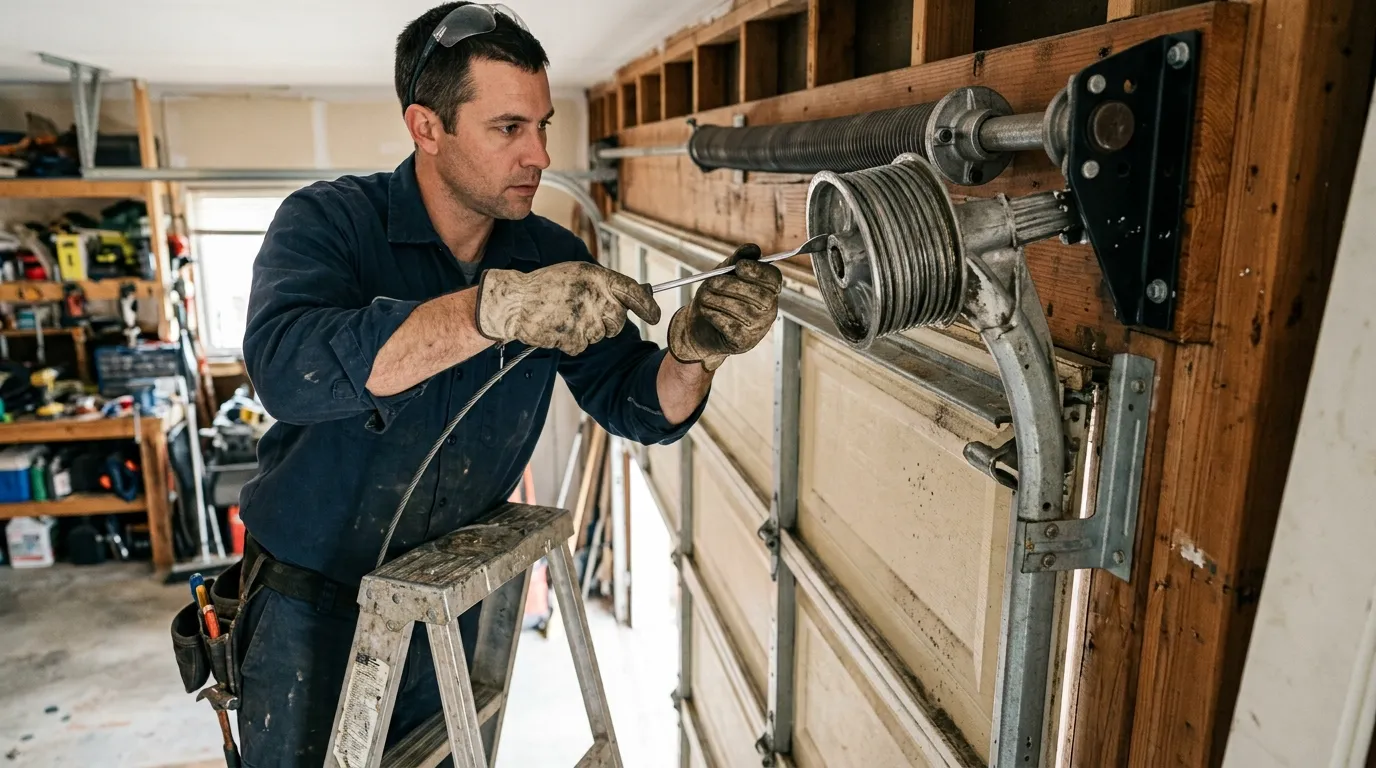
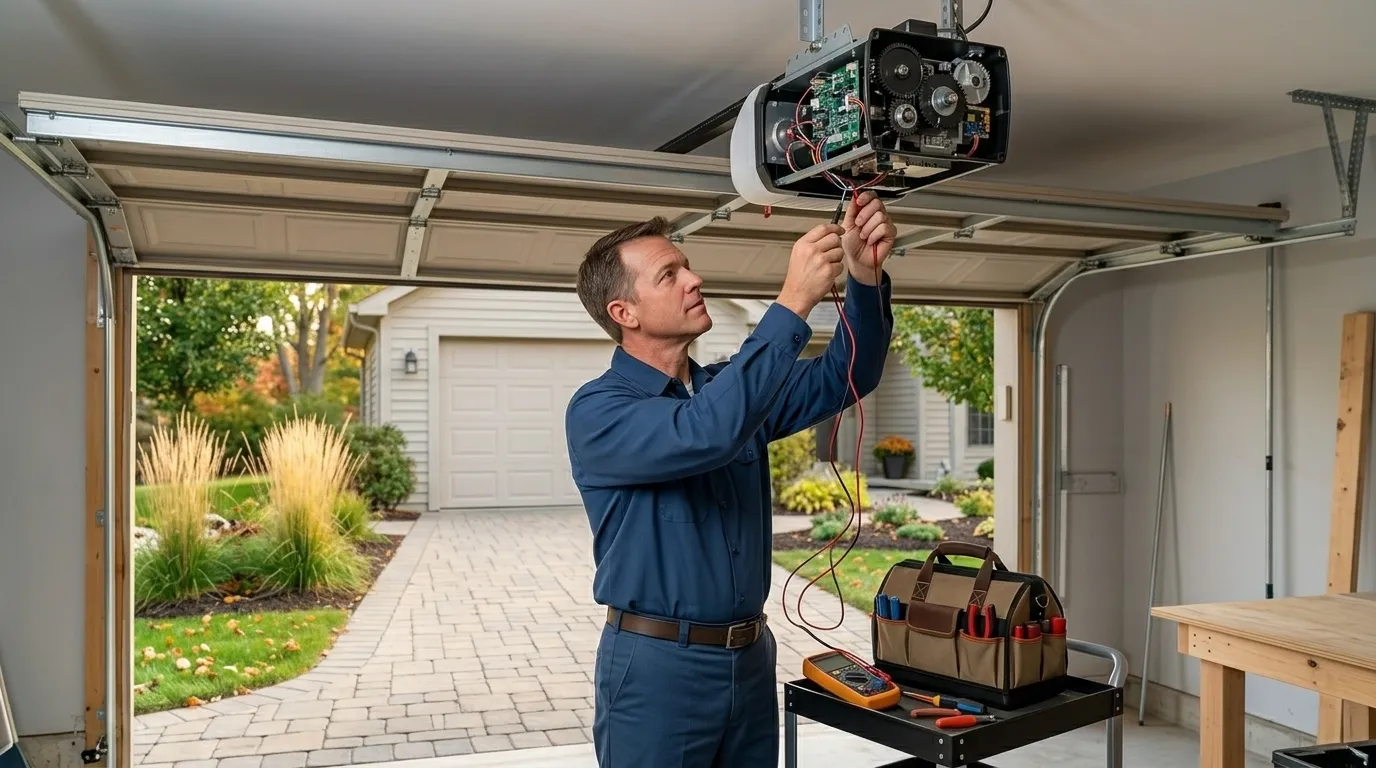
For Star Valley calls we carry belt and chain drive openers in the horsepower ranges that fit standard single and double doors from the 2000-era construction wave - that's most of what's out here. We also carry replacement steel header brackets and lag hardware, because on a house pushing twenty-five years old, the original mount is often the actual point of failure, not the motor.
We stock updated safety sensor pairs and wall control units, since wiring standards from 2000 don't always match a new opener's plug-in harness - we'd rather splice correctly on site than leave you with a jury-rigged connection. Battery backup modules are on the truck as an option, not a default; we'll tell you whether your setup needs one rather than upsell it.
What we don't carry: full replacement door sections or custom-width track. If your opener call turns into a door problem, we'll scope it and come back with the right parts rather than guess and cut something on site that doesn't fit.
What You Pay
We don't have a posted price to give you here without seeing the door and the header condition - a straight swap on solid mounting hardware costs less than a job where we're also replacing a bracket or rewiring old sensor pairs. What we can tell you is what changes the number: opener horsepower needed for your door size, whether the header needs new lag hardware, and whether you want a battery backup module added.
Star Valley's median household income sits a bit above the wider service area's, and we've found that doesn't change what people ask for - most callers want a durable, mid-range unit installed correctly rather than the top-tier smart-home version. We'll quote the job once we've looked at what's actually behind your current opener, not off a phone description alone.
Why This Fails Locally
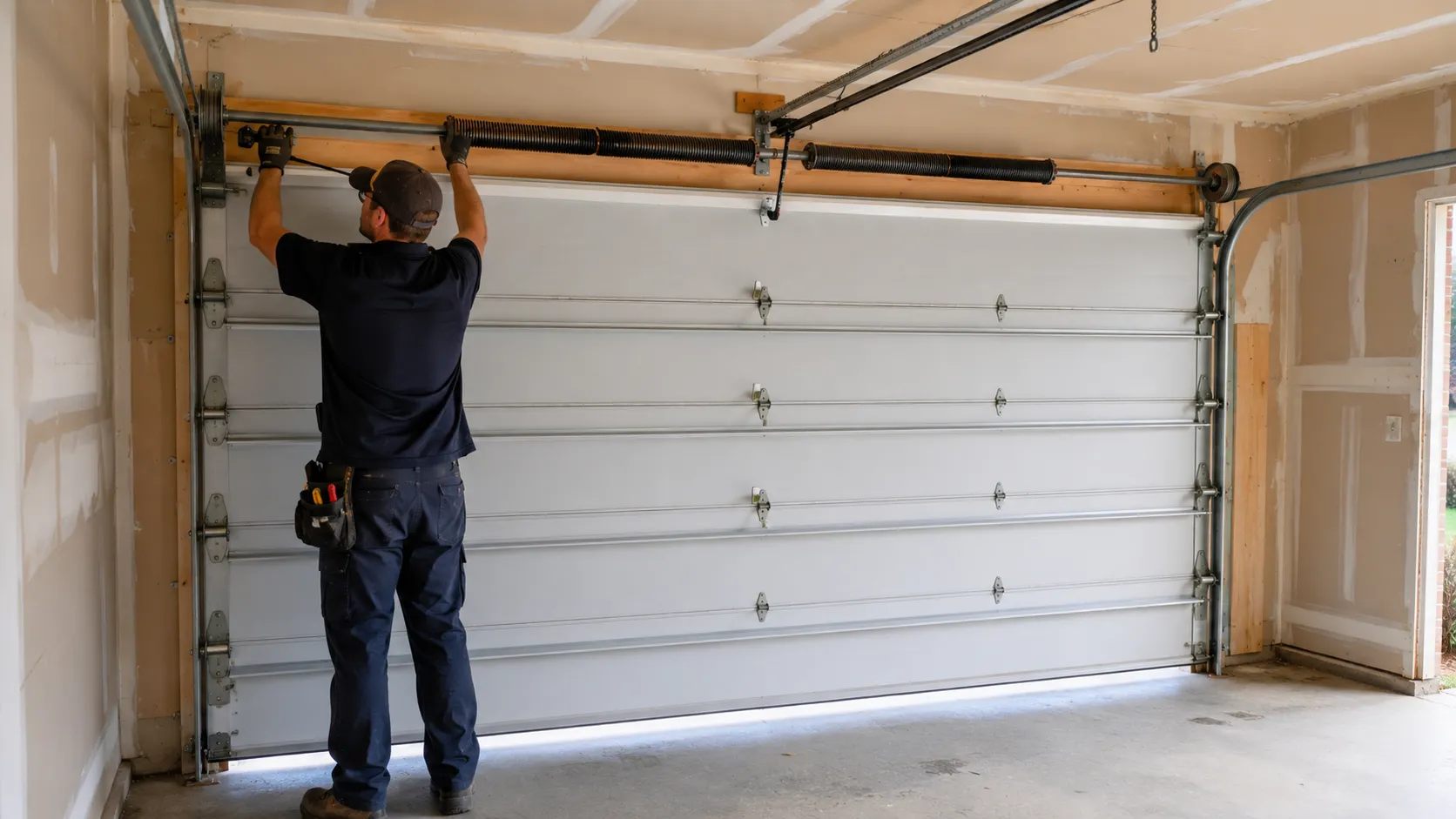
The failure pattern in Star Valley isn't the same as it is on Payson's older blocks. Because the housing stock here mostly dates to around 2000, the openers failing now are mostly failing from age and heat-cycle wear on the gearing, not from the kind of hardware mismatch you get on a house with a 1980s door and a bolted-on modern opener. Twenty-plus years of a cold-moderate climate - freeze-thaw swings rather than steady heat - works on the header lag bolts and the metal bracket seams over time, and that's usually what actually lets go, not the motor itself.
With about 1,573 households in Star Valley, we see a fairly consistent build era across the area, which means the fix is fairly consistent too: check the header, check the sensor wiring standard, replace what's aged past its rated life, and don't replace what isn't. That consistency is useful - it means we can usually tell you what we'll find before we take the old unit down.